
























































What Are the Causes of Burning & Itching Skin?

What Are the Causes of Burning & Itching Skin?
Photo Credit mosquito image by Martin Sevcik from Fotolia.com

Pruritis, commonly known as itch, is an unpleasant burning sensation in the skin. The reflexive response that follows is usually to scratch at the skin, which may temporarily or permanently alleviate the itch. Although not life threatening, severe and chronic pruritis can cause considerable distress and medical attention may be required to assess the cause and solution. In some cases, pruritis can be a symptom of a much more serious medical condition. In most cases, it is simply a mild skin irritation, requiring no further investigation. There are several causes of pruritis and the most common ones can be categorized into a few major groups. Pruritis can occur anywhere on the body and specific itch locations can help determine the possible cause.

Dermatologic Causes

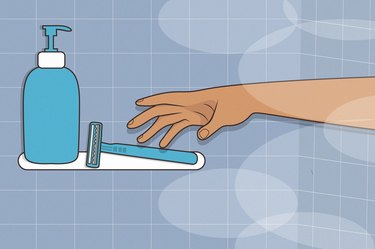
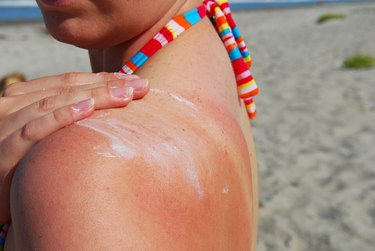
The most common causes of pruritis are dermatological. According to Family Practice Notebook, dry skin, also known as xerosis, is the most common cause of itching. Other dermatological causes include various types of dermatitis, which is an inflammation of the skin, commonly known as rash. Some rashes are from eczema, which form small itchy blisters on the skin, usually on the hands and feet. A contact rash, usually an allergic reaction, can also cause considerable pruritis. A contact rash can occur from contact with plants like poison ivy and poison oak, chemical dyes and synthetic fibers. Other dermatological causes of pruritis include psoriasis, sunburn, ingrown hairs, and dietary allergens such as gluten.

Medical Disorders

Several medical disorders can also cause pruritis. Pruritis can be symptom of a much more serious medical condition and it can act as a benchmark of the severity and stage of the condition. In the September 2003 issue of "American Family Physician," Dr. Scott Moses lists several systemic causes of pruritis. These include kidney failure, excessive bile in the skin, Hodgkin's lymphoma, human immunodeficiency virus, hyperthyroidism, certain types of cancer, iron deficiency and rapid weight loss. In some neuropathic conditions, patients may experience a pychogenic itch, in which case there is no internal or external element causing the sensation. This is sometimes known as delusions of parasitosis.

Infection and Infestation

Infection and infestation are also common causes of pruritis. One of the most common insect-related causes of itch is the mosquito bite. The itch that follows is caused by an internal release of histamine at the site of the bite. Other insect bites and bee and wasp stings can also cause considerable short-term itching. According to the Cleveland Clinic, other infections and infestations include bacterial infections such as impetigo, head lice, pubic lice and scabies. Fungal infections, such as ringworm and athlete's foot, can also cause significant irritation to the skin. Viral infections such as chicken pox and herpes can cause pruritis.

Other Causes

There are several other causes of pruritis. Medications such as opiates can cause a significant release of histamine into the skin, causing pruritis. The "American Family Physician" article mentioned above also states that anti-fungal medications, aspirin, B vitamins and food additives can also cause pruritis. The New Zealand Dermatological Society also states that hormonal changes can cause pruritis. They state that pruritis increases during menopause. In addition, pregnant women in their third trimester may experience pruritis from bile secreting into the skin due to a blockage in the liver.

References

Article reviewed by MER Last updated on: Jul 29, 2010

Must see: Photo Galleries