































Diet for Duodenal Ulcers

Diet for Duodenal Ulcers
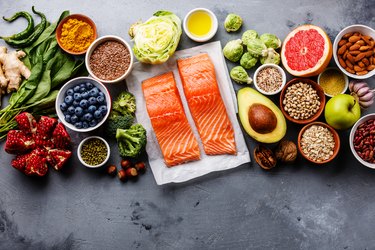
Photo Credit chilies image by Steve Lovegrove from Fotolia.com

Duodenal ulcers affect the small intestine. Diet can play a role in the formation of ulcers and can also aggravate existing ulcers. Dietary recommendations for duodenal ulcers are not exact and will differ on a case-by-case basis; however there are certain foods that have a reputation for worsening symptoms of a duodenal ulcer. Herbal supplements may improve duodenal ulcers but many have not been scientifically proven to be effective.

Ulcers

A duodenal ulcer occurs in the upper part of the small intestine. The same type of ulcers can affect the stomach and are collectively referred to as peptic ulcers. According to the University of Maryland Medical Center, 90 percent of duodenal ulcers result from a bacterial infection by Helicobacter pylori. Other factors that increase the risk of developing a duodenal ulcer include smoking, caffeine and alcohol use, stress, and the used of anti-inflammatory drugs like aspirin and ibuprofen. Symptoms of ulcers include abdominal pain or burning, gas, nausea, vomiting, poor appetite, weight loss and fatigue.

Foods to Avoid

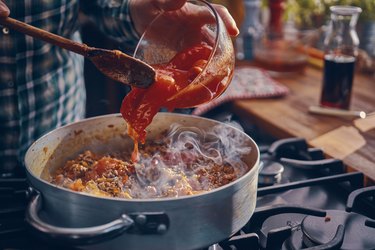
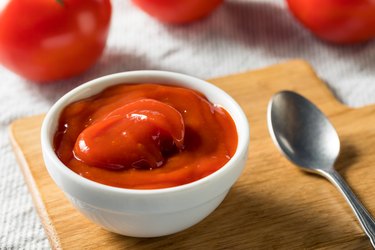
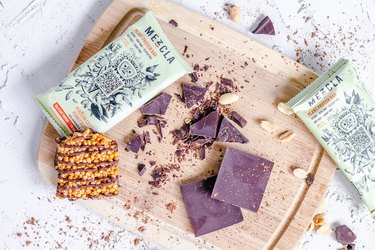
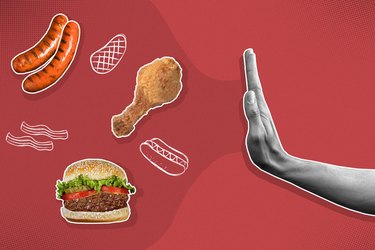
Certain foods can increase the pain associated with ulcers, according to the American Academy of Family Physicians. Foods that may worsen symptoms include spicy foods, chocolate, black pepper and chili powder, mustard seed, nutmeg, and meat extracts. Acidic foods like citrus fruits, vinegar, pineapple and tomatoes may also increase pain, according to the Mayo Clinic.

Foods that Help

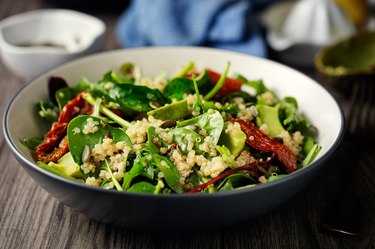
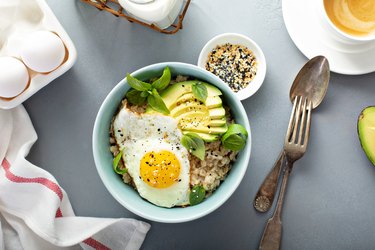
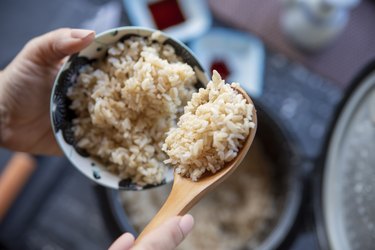
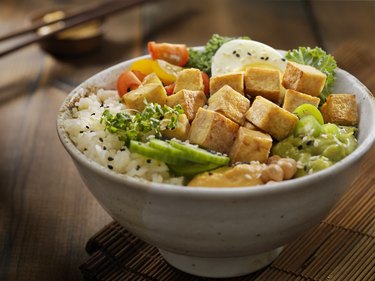
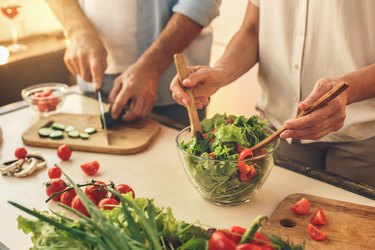
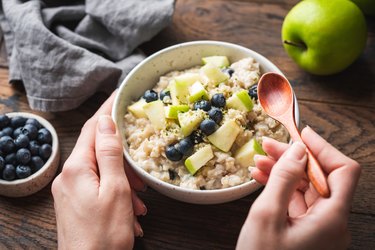
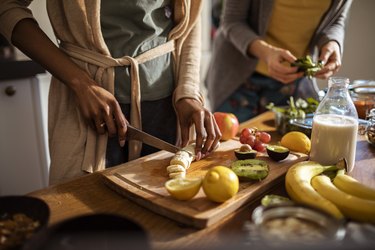
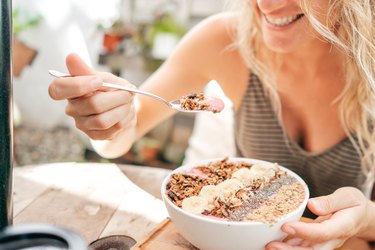
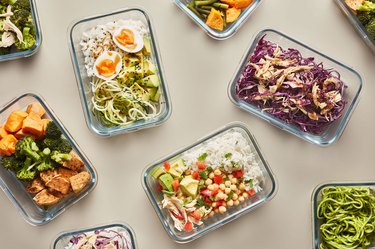
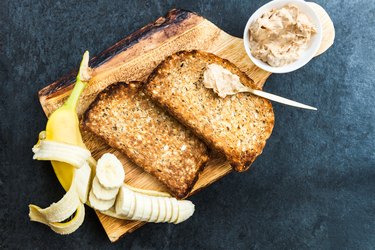
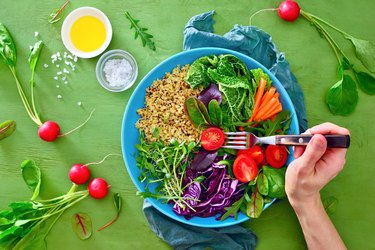
A fiber-rich diet may reduce the risk of developing a duodenal ulcer and speed up recovery from an ulcer, according to the UMMC. Foods high in fiber include fruits, vegetables and whole grains like brown rice, 100 percent whole wheat bread, whole grain pasta, oats, cornmeal and barley. Specific foods like apples, celery, cranberries, onions, garlic and tea may actually inhibit the growth of H. pylori because they are high in flavonoids. Flavonoids are a type of antioxidant found in many fruits and vegetables, according to the Linus Pauling Institute. Antioxidants prevent damage to the body caused by harmful oxygen molecules and toxins.

Beverages

Beverages like coffee, alcohol and carbonated drinks can increase stomach acid and irritate ulcers. The AAFP recommends avoiding regular and decaffeinated coffee and tea and all types of alcohol. Alcohol in particular can irritate and erode the lining of the small intestine and cause inflammation and bleeding, according to the Mayo Clinic. Alcoholics are encouraged to seek help for alcohol abuse because ulcers are common in people with cirrhosis of the liver, a disease associated with heavy alcohol use.

Supplements

Probiotics are live microorganisms that benefit health. Probiotic supplements may improve the balance between good bacteria and harmful bacteria like H. Pylori and suppress H. pylori infections, according to the UMMC. Herbal supplements like cranberry and mastic may also inhibit the growth of H. Pylori. Peppermint supplements are thought to relieve symptoms of duodenal and stomach ulcers. Consumers should be aware that supplements are not regulated by the Food and Drug Administration and may lack scientific research regarding their safety or effectiveness in treating ulcers. Individuals should consult a health care provider about supplements due to the risk of side effects.

References

Article reviewed by Contributing Writer Last updated on: Jul 29, 2010

Must see: Photo Galleries