
















High uric acid levels, also known as hyperuricemia, occur due to an excessive amount of uric acid in the blood. Uric acid is a waste produced when the body breaks down a substance found in foods, called purine. Uric acid is normally moves through the kidneys to be passed in urine along with other waste products.
Causes
There are two types of hyperuricemia. In primary hyperuricemia, increased production of uric acid occurs from the ingestion of too much purine or because the kidneys cannot eliminate the uric acid from the blood. Secondary hyperuricemia occurs as a complication of another illness such as cancer or kidney disease.
Risk Factors
There are many reasons why a person may experience high uric acid levels. People who ingest large amounts of alcohol or caffeine may be at risk for hyperuricemia as well as people who eat a diet high in purine-rich foods. People who have medical conditions such as Hodgkin's lymphoma, hypothyroidism, leukemia, non-Hodgkin's lymphoma and psoriasis may exhibit high uric acid levels as well. MayoClinic.com explains that other causes of hyperuricemia include taking immune-suppressing drugs, niacin and blood pressure medications such as aspirin or diuretics.
Complications
People with consistently high uric acid levels are at risk for developing complications such as a form of arthritis known as gout, kidney stones and kidney failure. A patient may also develop high uric acid levels prior to developing high blood pressure, chronic kidney disease or heart disease, according to MayoClinic.com.
Symptoms
Often people will exhibit no symptoms when their uric acid levels are elevated. However, if uric acid levels are elevated due to chemotherapy for leukemia or lymphoma, patients may experience kidney problems or inflammation of the joints caused by uric acid crystals forming in the joints. This is known as gouty arthritis. In rare cases, cancer patients undergoing chemotherapy may experience high uric acid levels in conjunction with fever, chills and fatigue caused by a condition known as tumor lysis syndrome, according to Chemocare.com.
Dietary
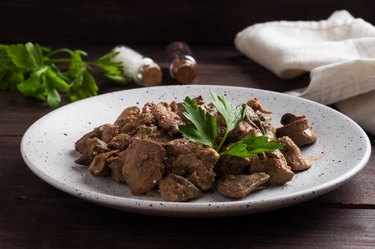
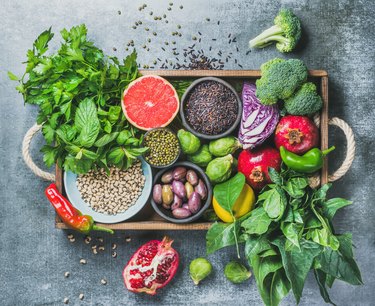
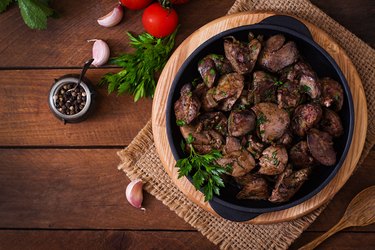
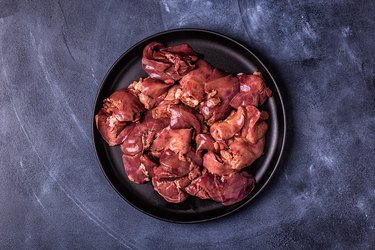
Often the first treatment for high uric acid levels includes changing diet to avoid foods high in purine. Foods high in purine include organ meats, meat extracts and gravy as well as yeasts and yeast extracts like those found in alcoholic beverages, according to Baptist Health Systems. Asparagus, spinach, peas, oatmeal, lentils, cauliflower and mushrooms are also high in purine.
Treatments
Physicians will often treat chronic hyperuricemia associated with gout by prescribing nonsteroidal anti-inflammatory drugs to control inflammation. Patients may also receive colchicines if they are unable to take NSAIDs. Medications such as allopurinol and febuxostat help limit the amount of uric acid the body produces, according to MayoClinic.com. Physicians may also prescribe a medication called probenecid to help the kidneys eliminate uric acid from the body more efficiently.


