













































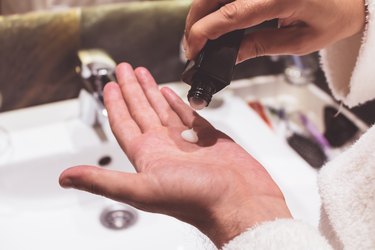
With thousands of serums, creams and other skincare products on the market that promise to fight various signs of aging, it can be overwhelming to have to choose which one to use. It doesn't help that each product comes with seemingly miraculous effects---if the advertising hype and manufacturer's packaging are true. But not all skincare products are made alike. Follow the recommendations of dermatologists and skincare experts to help identify which skincare product is best for you.
Step 1
Choose your main skin-aging concern, recommends the American Academy of Dermatology (AAD), and then gather together the various products designed to treat that specific concern. For example, your main concern could be wrinkles or age spots. The AAD warns that trying to simultaneously treat a multitude of skin-aging problems with several different products or chemicals can irritate or harm the long-term health of your skin.
Step 2
Compare the ingredients in different anti-aging skincare products. Toss out any product that contains irritating substances. Consumer skincare tester Paula Begoun says some of the most irritating ingredients commonly found in skincare products include alcohol, menthol, cinnamon and witch hazel.
Step 3
Check that the anti-aging skincare product has an effective anti-aging compound; many products contain chemicals or ingredients that have no proven track record for fighting signs of aging like wrinkles or age spots. The Mayo Clinic lists retinol, hydroxy acids, coenzyme Q10, copper peptides, kinetin and tea extracts as common, effective anti-aging ingredients. If the product you're comparing contains none of these, it may not be very effective.
Step 4
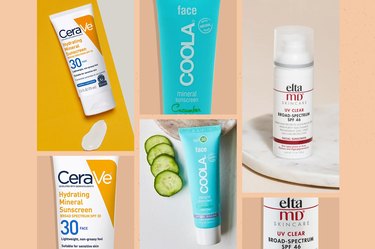
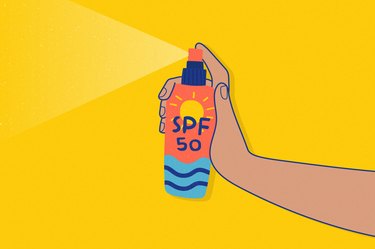
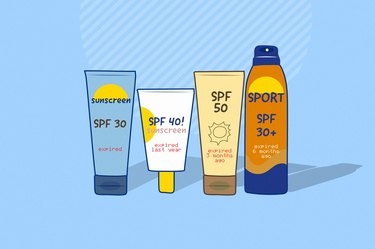
Make sure the skincare product has sunscreen ingredients if you plan to use it during the day. The AAD says sunscreen is the best way to prevent signs of aging. Begoun says the skincare product should have a labeled SPF of 15 or higher and contain one or more of the following effective UVA-blocking ingredients: zinc oxide, avobenzone, titanium dioxide, ecamsule or Tinosorb.
Step 5
Verify that the skincare product has moisturizing ingredients. The AAD says moisturizing is essential because it plumps away lines and wrinkles and makes your "complexion look brighter and younger." Effective moisturizing ingredients, according to the University of Maryland Medical Center, include humectans, such as glycerin, and emollients, such as lipids.
Step 6
Check the price, if the skincare products are relatively equal in all other regards. A higher price doesn't mean the product is better at fighting aging, warns the AAD, and many cheap products are just as good at rejuvenating your skin's youthful look
References
- "Don't Go to the Cosmetics Counter Without Me"; Paula Begoun; 2009
- American Academy of Dermatology: Selecting Age-Fighting Topicals
- University of Maryland Medical Center: Skin Wrinkles and Blemishes
- MayoClinic.com: Wrinkle Creams


Member Comments