



















































Candida albicans, otherwise known as candida, is a yeast that grows in the mouth, intestinal tract, vagina or rectum. Candida overgrowth is the result of an overabundance of yeast that normally is present in the body in low levels. According to the online journal Yeast Infection Advisor, when there is an overproduction of yeast, the immune system is compromised, causing chronic illness that is often difficult to diagnose. Eliminating foods that encourage yeast to grow--such as sugar and refined carbohydrates--and eating foods that balance the internal system help return the body to health while alleviating debilitating symptoms.
Animal Protein
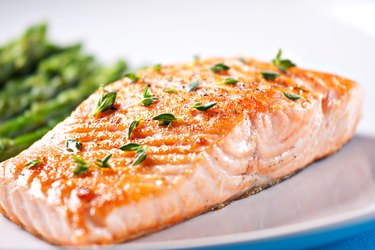
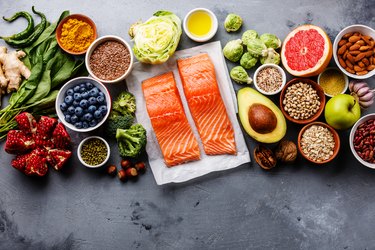
Some of the foods allowed on a Candida diet include high-protein fish, chicken and meats. The best scenario is to eat mercury-free wild fish, organic free-range poultry and grass-fed organic meats that contain no antibiotics. Recommended fish and shellfish include anchovy, bass, catfish, caviar, cod, halibut, flounder, halibut, mahi-mahi, perch, red snapper, white fish, wild snapper, shrimp, squid and octopus.
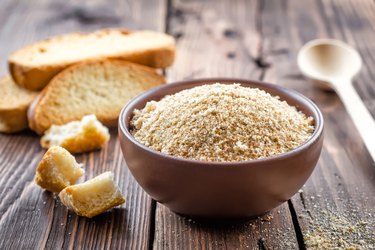
Note: When preparing fish, chicken, and meats, it is best to bake, roast, or grill them rather than fry in order to avoid the use of fats and breading, which can aggravate candida.
Fruits and Vegetables
Fruits and vegetables are important foods to help maintain essential nutrients in the body. According to Herbal Remedies Information on eating specifically for candida, it is best to eat as many appropriate fruits and vegetables in fresh or frozen form, rather than from a can; chemicals, salt and sugar are often added to canned foods.
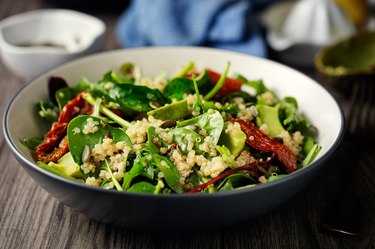
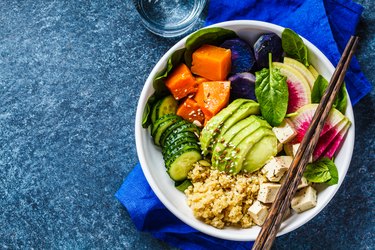
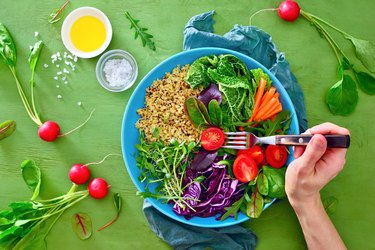
Aloe vera, avocados, berries, grapefruit, green apples, lemons, and limes are good fruits to include in a Candida diet. Vegetables such as alfalfa sprouts, asparagus, bell peppers, broccoli, Brussels sprouts, cabbage, celery, dandelion, eggplant, garlic, kelp, lettuces, radishes, rhubarb, tomato, turnips, onions, watercress, and yucca are some vegetables that work well to help keep Candida at bay.
Beans
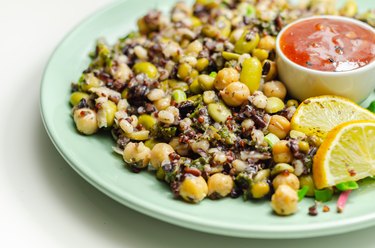
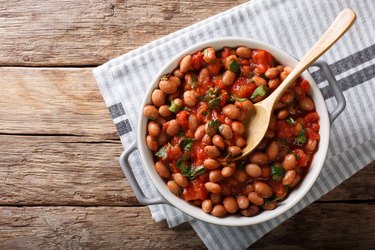
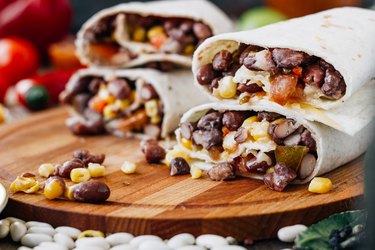
Black beans, garbanzos, lentils, pinto beans, and split peas are excellent choices for a candida diet, especially vegetarians who need extra protein. It is best to prepare beans from scratch; avoid canned products that contain additives.
Nuts and Seeds
Nuts and seeds such as almonds, Brazil nuts, cashews, hazel, pecans, pine, poppy, pumpkin, sesame and sunflower are also recommended; they make excellent snacks or garnishes for salads and vegetable dishes.
Yogurt and Cheese
Plain low-fat yogurt, preferably made from organic goat's milk, helps to keep the colon healthy by adding needed acidophilus. Goat's milk, according to World's Healthiest Foods, is easier to digest and is especially good for people sensitive to cow's milk. Acidophilus can also be taken in liquid form; according to Candida Yeast Explained, acidophilus is especially effective when taken on a daily basis due to its ability to balance yeast levels in the body. Low-fat organic cottage cheese and ricotta cheese are also acceptable foods for a candida diet.
Oils
Sunflower or olive oil makes a delicious and healthy salad dressing when combined with either lemon or lime juice.
Teas and Water
Herbal teas and plenty of mineral water throughout the day are also recommended, according to the online journal Holistic Help.


Member Comments