



















































Sodium laureth sulfate is a detergent, surfactant and an effective foaming agent. It's also known by the name sodium lauryl ether sulfate or sodium lauryl ether sulfate. Sodium laureth sulfate has many uses in common household cleaning products such as laundry detergent and dishwasher detergent. Sodium laureth sulfate is also used in many other products, including toothpaste and hair care products. Sodium lauryl sulfate is a related, but stronger, chemical.
Hair Care Products
Sodium laureth sulfate is an anionic surfactant used in many brands of shampoos and hair conditioners. Sodium laureth sulfate helps remove oils and dirt from hair because its molecular construction makes one end of the molecule attract oil while the other end attracts water. One end of the surfactant's molecule, the hydrophobic end, is attracted to the hair's natural sebum, which is an oily coating that attracts dirt and skin flakes. The other end of the molecule is hydrophilic, which means it is attracted to water. Effectively, the surfactant molecule grabs onto the dirt and water at the same time, allowing you to wash the dirt away.
Many popular brands of shampoo and conditioners contain sodium laureth sulfate. You can search for product ingredient lists on the Department of Health and Human Services website, which allows you to search by ingredient or by product categories. Sodium laureth sulfate can be irritating to the eyes if shampoo or conditioners are allowed to get into the eyes. Some people with sensitive skin might find SLES mildly irritating, but the chemical is considered to be safe. Some pet shampoos also contain SLES.
Soaps and Detergents
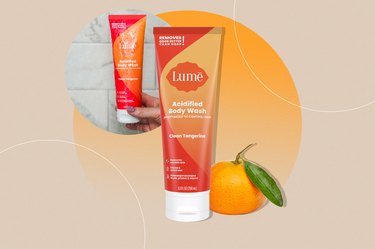
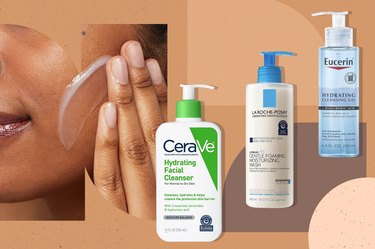
Soaps frequently contain sodium laureth sulfate to create foam and help remove grease and oils from the skin. SLES is found in bar soaps, including antibacterial soaps and those with moisturizers, as well as in liquid hand soaps and body washes, facial scrubs and other skin cleansers. Many household cleaning products also contain sodium laureth sulfate, including liquid and powder laundry detergents, baby laundry detergents, bleach alternatives, fabric wash products, stain removers, liquid hand dishwashing soaps, toilet bowl gel cleaners and even in cleaning towelettes.
Oral Hygiene Products
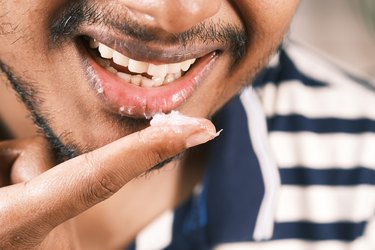
Sodium laureth sulfate and its stronger cousin, sodium lauryl sulfate, are frequently found in toothpastes. They are used as inexpensive and effective foaming agents to help release dirt from between the teeth. SLES can irritate the sensitive skin in the mouth and contribute to the formation of canker sores. Sodium laureth sulfate itself is not toxic, but some concern exists that when it decomposes it could form a carcinogenic compound known as a nitrosamine. You should avoid swallowing toothpaste or mouth rinses to minimize your exposure to these compounds, and discontinue using oral hygiene products that contain sodium laureth sulfate if you develop mouth sores. Talk to your dentist about any concerns you have about products with SLES.
By Many Other Names
Sodium laureth sulfate is known by other names, and it is sometimes listed in ingredients as a type of sodium salt. If you are trying to avoid using products that contain SLES, you should learn some of the synonyms. Chemical names include PEG-8 lauryl ether sulfate sodium salt, sodium laureth-3 sulfate, sodium lauryl sulfate ethoxylate and polyethylene glycol sulfate monododecyl ether sodium salt. Numbers are frequently part of the chemical names and refer to the molecular structure of the chemical rather than the atoms it contains.


Member Comments