





























































Gestational diabetes is a temporary form of diabetes that some women experience when they are pregnant. It is seen in approximately 5 percent of pregnant women, which translates to about 200,000 cases per year in the United States, according to the National Institue of Child Health and Human Development. Once you deliver your baby, this type of diabetes usually goes away. However, your elevated blood glucose levels during pregnancy need to be managed; following a specific diet for the condition is important.
Diet Goals
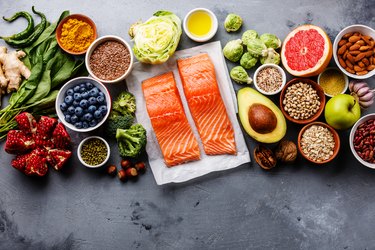
As with any diet, the goal of the gestational diabetes diet is to limit foods high in calories and simple carbohydrates that can easily be metabolized into sugar. Avoid foods that are high in sugar and fat, says the Cleveland Clinic. Another goal is to distribute the intake of calories through out the day. Eat three meals per day and include a morning and afternoon snack.
The suggested caloric intake is based on your pre-pregnant weight and activity level. The suggested food breakdown for a 1,200 to 1,600 calorie per day diet is six servings of starches, three of vegetables, two fruits, two dairy, up to three fats and four to six ounces of protein. It is important to discuss the diet with your health care provider who will be best able to suggest the right plan for your needs.
Because insulin resistance is greatest in the morning, it is suggested to eat fewer carbohydrates at breakfast. It is important to spread your carbohydrate intake evenly through out your meals to help regulate your insulin levels, according to the Cleveland Clinic.
Free Foods
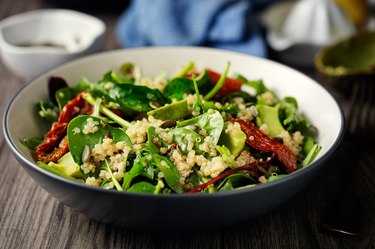
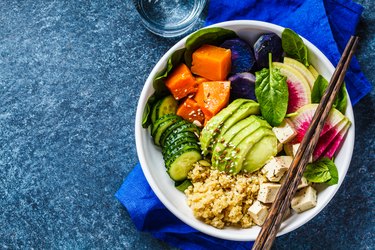
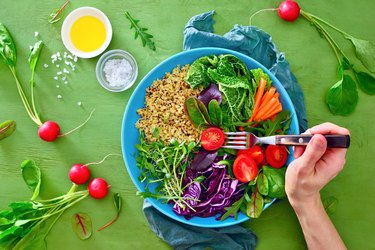
There are some foods that can be included in the diet at your discretion. For example, include raw vegetables such as cabbage, celery, cucumber, lettuce, mushrooms, radishes, peppers and spinach. Vegetables eaten raw provide a good source of fiber, which is important in any diet. Unsweetened drinks such as seltzer, mineral water, and low salt bullion do not count toward calories in your diet.
Breakfast
A breakfast that is high in protein and fiber is a good way to begin the day. Your breakfast might include a hard boiled egg, a slice of whole grain toast, a small bit of butter or peanut butter, skim milk and fruit. Talk with your health care provider if you are lactose intolerant or have food allergies. It is important build your breakfast with healthy food that you are able to eat.
Lunch
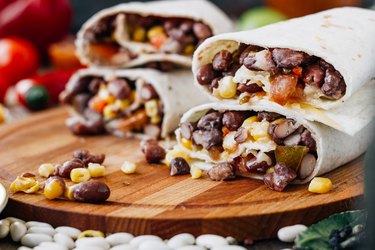
Your lunch can be built around a whole grain bread sandwich. Use of whole grains helps to increase your intake of daily fiber. Pita and whole grain tortilla wraps are a popular choice. Choose a filling that you like, but it is better to avoid processed meats that contain chemicals and sodium. Consider fillings such as cheese, sliced tomato or other vegetables and a fresh, low fat, protein choice. Add an eight ounce glass of milk and a side salad of free vegetables if you like.
Dinner
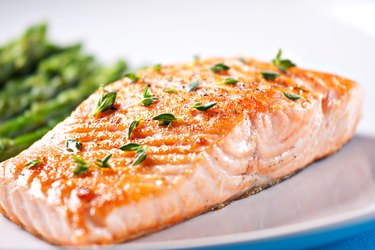
Being mindful of the amount of protein you require per day, your dinner meal can be protein based. Choices such as grilled chicken or other low fat meat or fish is a good option. Accompany that with a vegetable that you enjoy, a serving of rice or pasta, and a dessert of fresh fruit. Condiments that you enjoy such as mustard, mayonnaise, ketchup, horseradish, salsa, soy sauce, vinegar, Worcestershire sauce and a healthy fat such as butter or olive oil can be used in cooking and food preparation. Look for low fat and low sodium products.
Snacks
You will need a mid morning and afternoon snack. Ideas include an apple slice with peanut butter or other types of nut butters, half a peanut butter and reduced-sugar jelly or jam sandwich on whole grain bread, a half cucumber spread with low fat cream cheese, half a small tomato with low fat cottage cheese, unsalted nuts, raw or reduced- sugar canned fruit and reduced-calorie yogurt.
References
- National Institute of Child Health & Human Development: Gestational Diabetes
- Managing Gestational Diabetes: A Patient's Guide to a Healthy Pregnancy
- National Diabetes Information Clearinghouse: What I need to know about Gestational Diabetes
- National Diabetes Information Clearinghouse: what I need to know about Eating and Diabetes
- Cleveland Clinic: Gestational Diabetes


