


















































Skin hyperpigmentation conditions, such as age spots, melasma or acne scarring, stem from an over-stimulation of the skin's pigment producing cells, the melanocytes. Though medically harmless, these skin discolorations issues can be difficult to conceal with makeup and can cause some people to feel self-conscious about their appearance. The New Zealand Dermatological Society recommends the topical hydroquinone as a treatment option for hyperpigmentation conditions.
How Hydroquinone Works
Though it is often referred to as a bleaching topical, hydroquinone doesn't actually bleach the skin. It treats skin discolorations by blocking the enzyme tyrosinase. This enzyme is essential in the production of melanin, the pigment that give the skin its color. This prevents new pigment deposits from forming, while the current pigmentation deposits are purged out of the skin through the process of cell renewal. Consequently, hydroquinone topicals can take several weeks to generate the desired effects.
Side Effects
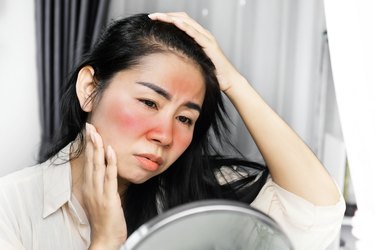
Some users of hydroquinone experience allergic reactions which can produce symptoms such as hives, breathing difficulties or swelling of the face, lips, tongue or throat. Other possible adverse reactions include severe stinging, burning, itching or crusting of the treated area. Prolonged use of high doses of hydroquinone can also cause a bluish-black discoloration of the skin called ochronosis, particularly in darker complexions. Therefore, the New Zealand Dermatological Society recommends that potential users conduct a 24-hour patch test on the hyperpigmented area to rule out a hydroquinone sensitivity.
Contraindications
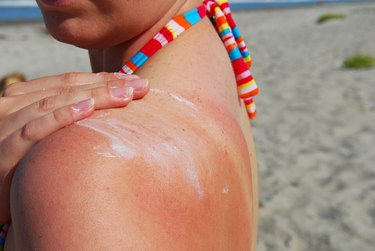
Hydroquinone is not recommended for those with liver or kidney disease, and you should tell your dermatologist if you have any drug allergies before using this medication. The effects of hydroquinone use on fetal development is not known, so if you are pregnant or planning to become pregnant, you should not use it. Nursing mothers should also avoid using hydroquinone, as it is also unknown whether the medication can pass through the breast milk and cause harm to the baby. Additionally, hydroquinone should not be used on chapped, irritated or sunburned skin or near open wounds, as the medication can exacerbate these conditions.
Concentrations
Several beauty product retailers offer over-the-counter creams that include hydroquinone as an active ingredient. These products are legally permitted to contain a hydroquinone concentration of up to 2 percent. The American Academy of Dermatology advises that you only purchase these products if the concentration level is clearly indicated on the package, since higher doses of hydroquinone can induce adverse effects. For more acute hyperpigmentation cases, your doctor may prescribe a hydroquinone topical of 4 percent concentration. These topical medications sometimes combine hydroquinone with other active ingredients, such as a corticosteroid and tretinoin, to reduce the likelihood of irritation.
Directions For Use
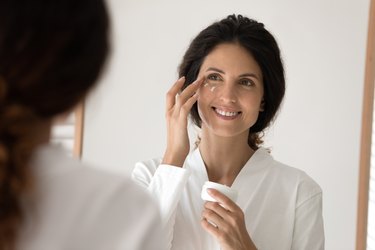
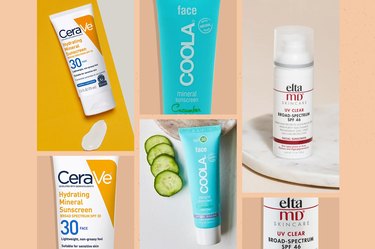
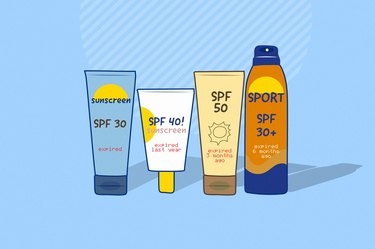
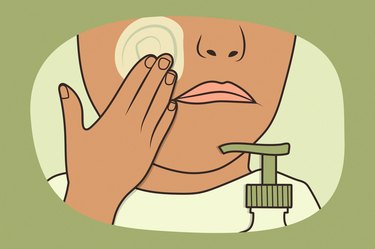
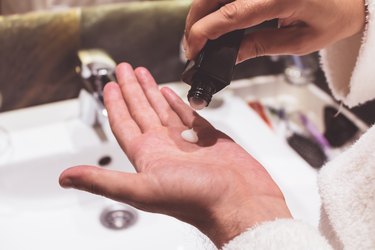
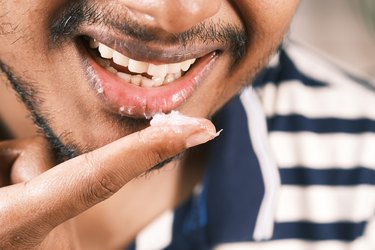
Always apply a hydroquinone topical to clean, dry skin. For the over-the-counter varieties of 2 percent concentration or less, you can apply a thin layer to the entire face, neck or chest. The prescription strength topical, however, should only be applied to the hyperpigmented area, since the stronger concentration can also lighten non-discolored skin. Do not apply hydroquinone to the lips or inside the nose or mouth, as the medication can cause numbness if it comes in contact with these areas. Also, do not use use hydroquinone in conjunction with peroxide products, since this combination can induce a temporary staining of your skin. Hydroquinone use increases the skin's sun sensitivity, so apply a sunscreen of SPF 15 or higher when outdoors.


Member Comments