

















































The varicella-zoster virus causes chicken pox--a viral disease that is characterized by itchy skin rashes. According to Kids' Health from the Nemours Foundation, a person usually has one episode of chicken pox, but it can reoccur later in life as an inflammatory skin disorder called shingles, or herpes zoster. The varicella-zoster virus can stay in a persons body without causing any symptoms and then cause herpes zoster at a later date. A nursing diagnosis for this disease is "risk for infection."
Assessment
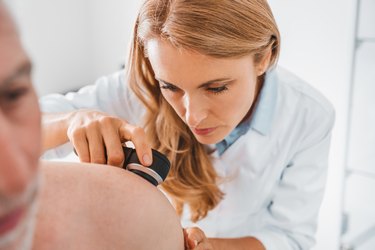
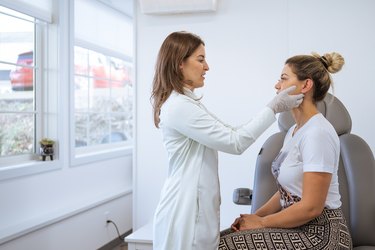
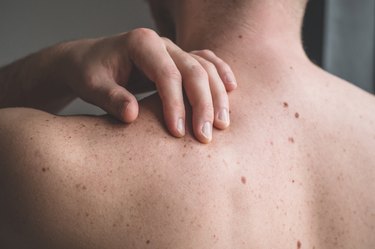
The nurse starts the process of formulating a nursing diagnosis by getting information. In the case of someone with shingles, the nurse looks for a group of fluid-filled blisters on the skin and other signs of herpes zoster such as pain, red rashes, fever, aches, itching, burning and tingling. A physical examination of the patient along with an interview with the patient helps the nurse gather information about the patients condition.
Analysis
After collecting information from the patient, the nurse analyzes the information for problems the client may experience or could develop as a result of having herpes zoster. Nursing diagnoses describe a patients potential or actual problems. Blisters are symptoms of this condition and according to "Nursing Care Plans: Nursing Diagnosis and Intervention," by Meg Gulanick, scratching them can lead to infection. This is a potential problem that a herpes zoster patient could develop and leads to the nursing diagnosis of "risk for infection."
Goals of Care
Based on the nursing diagnosis of "risk for infection," the goal of care for a patient with herpes zoster is to prevent infections from occurring. The nurse does this by implementing nursing interventions geared towards this goal.
Nursing Interventions
Checking the level of irritation that herpes zoster blisters cause and the amount of scratching a patient has done are nursing interventions for this condition. Scratching and opening herpes zoster blisters can lead to infection. Other nursing interventions include encouraging the client not to scratch the blisters and administering all medications as ordered by a physician.
"Lippincott Manual of Nursing Practice Handbook," by Sandra M. Nettina explains that another nursing intervention is teaching the patient that applying wet dressings and calamine solution to inflamed skin in herpes zoster can have a soothing effect. This may reduce itchiness and the need to scratch.
Evaluation
After implementing all the nursing interventions for the nursing diagosis "risk for infection," the nurse assesses the patient to see if the goal of care has been met or not. One way to do this is to look for signs of infection in the herpes zoster patient. Such signs include redness and secretions from the blisters. If the patient is free of infection, then the goal of care has been met.
References
- Kids Health: Chicken Pox
- Mayo Clinic: Shingles
- "Nursing Care Plans: Nursing Diagnosis and Intervention"; Meg Gulanick, PhD, APRN, FAAN., et. al.; 2007
- "Lippincott Manual of Nursing Practice Handbook"; Sandra M. Nettina; 2005


