












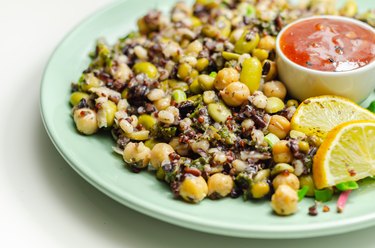


























































Create a diet of well-balanced meals to ensure you consume an appropriate number of calories, as well as the optimal nutrition for your health and energy levels. Meal planning also reduces the chances you'll skip a meal, eat impulsively and make poor food choices. Well-balanced meal plans help you feel more satisfied, reducing the mindless snacking that can expand your waistline.
Food Categories
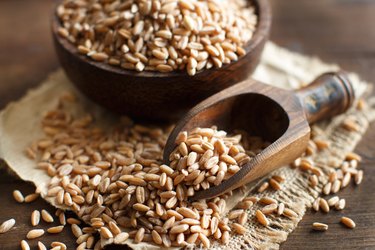
The U.S. Department of Agriculture Food Guide Pyramid recommends you eat foods from six different categories. Go for fresh, frozen, dried or canned fruits. Emphasize green and orange vegetables. Choose non- or low-fat dairy, such as skim milk, yogurt and cottage cheese. Lean proteins, especially vegetarian varieties, minimize your intake of saturated fat. Eat whole grain versions of breads and grains. Fat also is part of a well-balanced meal plan--opt for unsaturated fats over saturated and trans varieties.
Macronutrient Ratios
The Institute of Medicine, or IOM, puts forth broad guidelines in terms of percentage of calories. IOM recommends between 45 to 65 percent of your daily calories come from carbohydrates, such as bread, rice, vegetables and fruits. Your protein intake should comprise between 10 and 35 percent of your daily calories, while fats should make up 20 to 35 percent. Each meal doesn't need to contain the perfect ratio of nutrients--aim for well-balanced meals and snacks that fall into these ranges when you add them up at the end of the day.
Servings
How much of each food you should eat to create a well-balanced meal plan depends on your goals, age, activity level and personal preferences. The USDA recommends, on average, you take in 6 oz. of grains or bread a day; 2 to 3 cups of vegetables; 1 ½ to 2 cups of fruit; 3 cups of dairy; 5 to 6 oz. of meat or beans; and 5 to 7 tsps. of plant oils, nuts or avocado daily. MyPyramid.gov offers tools to help you figure out your exact recommendations.
Considerations
A well-balanced meal plan also limits sugar intake and provides enough fiber. The American Heart Association recommends women take in no more than six added teaspoons of sugar daily and men no more than 9 tsps. The IOM advises men to take in 38 g of fiber daily and women 25 g. You do have room for discretionary calories in your well-balanced meal plan. For instance, treat yourself to extra servings from the major food categories, alcohol, sweets or saturated fats. Don't let your discretionary calories exceed 10 percent of your total daily intake.
Strategy
Plan your meals in the morning or the night before--this will help you achieve balance in your daily diet. Jot down your breakfast, lunch and dinner plans. Slot in snacks around your workouts or when you have five hours between meals. If you find your meal plan over-emphasizes one food category or nutrient, you have time to come up with alternatives to foster balance. This meal planning technique also helps you make healthier choices at restaurants and social engagements because you're more aware of foods and their nutrient content.


Member Comments