

















































Manuka honey is a mono floral honey derived from the nectar of the tea tree bush in New Zealand. Since 1981, researchers from the University of Waikato in Hamilton, New Zealand, have studied the unique healing properties of this rare honey with impressive results. Manuka honey can be used both internally and externally and is an effective agent against a broad spectrum of infectious organisms, including bacteria, microbes, viruses, fungi and protozoa.
What Makes Manuka Honey Unique
All honey possesses some degree of antibacterial properties. Researchers from the University of Dresden in Germany found that manuka honey contains very high amounts of a naturally occurring compound called methygyloxal, or MGO. MGO, along with a non-peroxide molecule, make manuka honey unique. A rating scale was devised by Dr. Peter Molan of the Waikato Research Unit called UMF, or Unique Manuka Factor. The scale indicates the relative antibacterial potency of this honey. A UMF rating of 10 to 16 indicates a manuka honey that has been certified as highly effective for use as a medicinal product.
Wound Healing
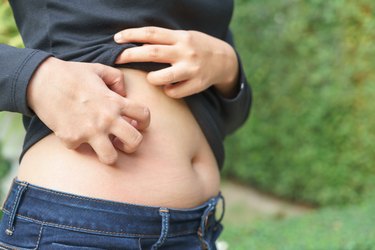
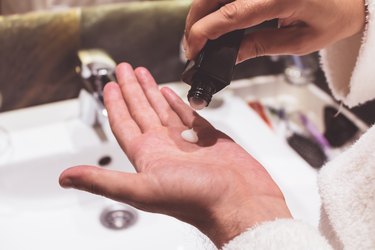
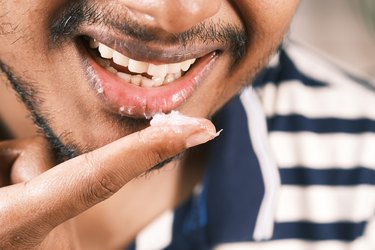
Prior to the emergence of antibiotics in the 1940s, honey was a staple in both the kitchen and medicine cabinet, and it was used to treat everything from a cold to a bee sting. Applied topically, research demonstrates that manuka honey is an effective treatment for a variety of wounds and skin conditions, including acne, mouth and gum ulcers, eczema, ringworm, athlete's foot, psoriasis, insect bites, burns, abscesses, boils, cracked nipples, pressure sores, non-healing diabetic ulcers, surgical wounds, and deeply infected wounds.Clinical studies also show that manuka honey is a natural wound debrider, healing wounds faster with less skin scarring and less pain.
How Manuka Honey Works as a Wound Healer
Manuka honey destroys bacteria by drawing water out of the bacteria, impeding cell growth. Its high glucose content nourishes damaged tissue and facilitates rapid tissue regeneration.Because of its high antibacterial potency, manuka honey has been successful in healing wounds infected by methicillin-resistant staphylococcus aureus, or MRSA. Additional pathogens successfully treated with manuka honey include strep, pseudomonas aeruginosa, salmonella, shigella, heliobactor pylori and E-coli. It can be applied directly into a wound and is such an effective wound healer that wound dressings, impregnated with manuka honey, are now available by prescription.
Additional Uses for Manuka Honey
The digestive tract plays a major role in immunity. Manuka honey, when taken internally, has been shown to provide effective support to the immune system in treating a variety of digestive tract issues such as acid reflux, indigestion, irritable bowel syndrome, ulcerative colitis and stomach ulcers. Feel a cold or sore throat coming on? Manuka honey is good for these, too, as well as sinusitis. In one study, this honey was even found to be successful in clearing an eye infection. Additional possible ophthalmic uses are being researched.
Additional Benefits and Considerations
As of 2010, there have been no documented negative side effects from the use of manuka honey. The typical oral dose is 1 tsp., 3 to 4 times per day. It can be taken straight from the jar, mixed in tea or spread on a cracker or bread. It is reported to have a stronger medicinal taste than most honey, likely due to the tea tree influence. Manuka honey may be an excellent alternative to traditional forms of medicine, particularly in cases where conventional treatments have failed. When purchasing manuka honey, be sure it is from a reputable vendor and is certified as UMF-rated honey from New Zealand.
Cautions
You should advise your health care provider if you are considering the use of manuka honey for medicinal purposes. Any non-healing wound should be evaluated by a health care provider. Also, do not give honey of any kind to children younger than 1, as honey may contain the botulism agent clostridium botulinum. This bacteria can multiply quickly in an infant's developing digestive system, causing illness. If you're pregnant or breastfeeding, consult your doctor before using manuka honey.
References
- University of Waikato: What's Special about Active Manuka Honey?
- Worldwide Wounds: Honey as a Topical Antibacterial Agent for Treatment of Infected Wounds.
- Pubmed: Case Series of Use of Manuka Honey in Leg Ulceration.
- MGO Manuka Honey: Manuka Honey Medical Applications
- University of Waikato: Manuka Honey as a Medicine.


Member Comments