














































Primal Diet

Primal Diet
Photo Credit vegetables image by cherie from Fotolia.com

The Primal Diet is based on the book "The Primal Blueprint," by Mark Sisson. The book provides guidelines for a lifestyle that promotes optimal health, weight loss and longevity. One aspect of this lifestyle is a whole foods approach to eating that eliminates modern processed foods and limits carbohydrate intake.

History

The primal diet emerged from a growing trend in the health and fitness industry of mimicking the diet of human ancestors. A few other diet books already have tread in this territory, with "The Paleo Diet," by Dr. Loren Cordain, and "Neanderthin," by Ray Audett, being two of the most popular.
"The Primal Blueprint" diet is similar to other ancestral diets in that it calls for the complete elimination of modern foods in favor of foods that humans have had available to them for their entire history.
The theory behind this approach is that the foods human ancestors ate, up until the last 100 years or so, were the foods with which humans evolved and thus provide optimal nutrition while not promoting weight gain.
Modern foods such as vegetable oils, grains, dairy and legumes, according to "The Primal Blueprint," promote fat storage through insulin reaction, increase heart disease and diabetes risk, and cause food intolerance problems from the lectins, phytates and gluten found in foods such as grains and legumes.

Benefits

The benefits of the primal diet can be significant. By eliminating processed foods, increasing your use of healthy omega-3 fats and reducing your intake of high-glycemic-index carbohydrates, you can easily lose weight, improve your cholesterol numbers, reduce your risk of many chronic diseases related to insulin resistance such as metabolic disorder and diabetes, and improve the functioning of your body on the cellular level.
Eating like your ancestors is a simple way to eliminate the worst modern foods that can be tied to the current obesity epidemic, such as high fructose corn syrup, hydrogenated oils and processed baked desserts.

Included Foods

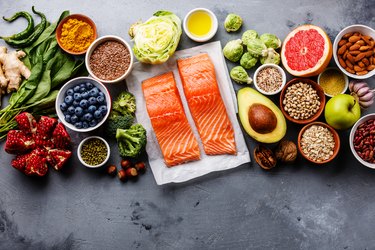
The basics of the Primal Diet from "The Primal Blueprint" are whole foods. Healthy choices on this diet include meat and seafood: beef, pork, poultry, bison, wild game, all fish and shellfish. "The Primal Blueprint" recommends you eat beef from grass-fed cows, pork from pastured pigs, chicken from free-range sources, and wild-caught fish and shellfish whenever possible.

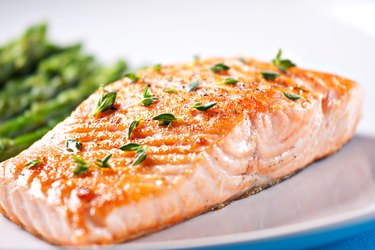
Increasing your intake of omega-3 fats and decreasing your intake of omega-6 fats is another critical part of "The Primal Blueprint" diet. Omega-3 fats help reduce inflammation, reduce risk of heart disease and improve cognitive function, according to "The Primal Blueprint" and the American Heart Association. You can increase your intake of omega-3 fats by eating fatty fish such as salmon and sardines twice a week and by using a fish oil supplement.

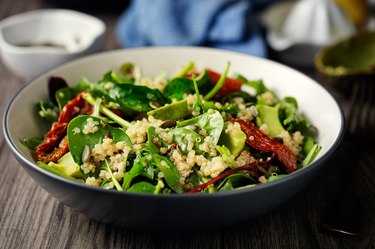
"The Primal Blueprint" diet allows for abundant vegetable intake and moderate fruit intake, preferably from those that are highest in nutritional value, such as berries and cherries.

Eggs should optimally come from free-range chickens. Peanuts are not considered a true nut and should be eliminated, but all other nuts such as walnuts, almonds, pecans, cashews, macadamia nuts and pistachios are included as long as they are not roasted in vegetable oil. The same is true for seeds such as sunflower, pumpkin and sesame seeds.

Foods to Avoid

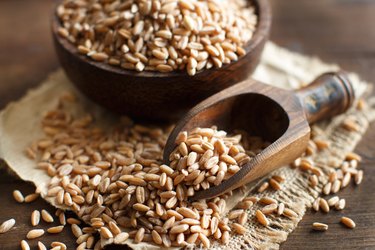
According to the "The Primal Blueprint," foods to avoid include all vegetable oils such as canola and sunflower oil, grains, legumes, processed foods and sugar, which generally have been introduced into the human diet in the past century. "The Primal Blueprint" suggests that while some of these foods may have nutritional value, that doesn't make them optimal for health.
Grains contain anti-nutrients called phytates as well as gluten. These can cause serious health problems for some people and have been linked to auto-immune diseases, according to "The Primal Blueprint" and an article published in the February 2005 edition of the "American Journal of Clinical Nutrition."

Carbohydrates

"The Primal Blueprint" recommends reducing your carbohydrate intake for optimal health. Three levels of carbohydrate intake are outlined, depending on your goals.
For maintenance of weight, a range of 100 to 150 grams per day of carbs is recommended.For gradual weight loss, carbs should be reduced to 50 to 100 g a day. Accelerated fat loss requires a carb count of under 50 grams a day.
Preferred carbohydrate sources include vegetables, fruits and starchy tubers such as sweet potatoes.

Considerations

It is very important to discuss your health goals with your doctor when considering whether a primal diet may be right for you.
Eliminating grains from your diet for one month can help you determine whether a gluten sensitivity may be a contributing factor to any health issues you have. Similarly, reducing your carb intake while increasing your healthy fats and quality protein sources may be an easy way for you to improve the quality of your diet, lose weight and improve your cholesterol numbers.

References

Article reviewed by OmahaTyppo Last updated on: Aug 11, 2011

Must see: Photo Galleries

Member Comments