
















Natural Sources of Coenzyme Q10 in Foods

Natural Sources of Coenzyme Q10 in Foods
Photo Credit beef image by les sanders from Fotolia.com

According to the Linus Pauling Institute at Oregon State University, coenzyme Q10 is a compound that is produced in the human body, and is available naturally in some food sources. This compound is fat-soluble, meaning that it is stored in the fat tissues of the body. Some researchers and medical professionals believe that coenzyme Q10 is an antioxidant that may help prevent certain types of cancer. Consuming foods containing the coenzyme Q10 should not replace conventional medicine. Check with your doctor before consuming foods containing this compound.

Red Meat

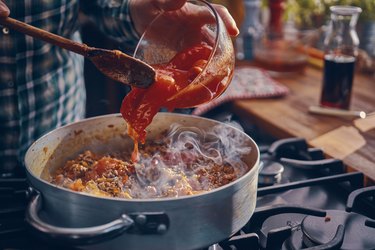
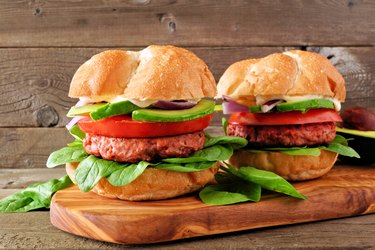
The highest concentrations of coenzyme Q10 are found in red meats, such as beef, according to Dr. Al Sears, author of "The Doctor's Heart Cure." Meats derived from wild animals may contain higher levels of this compound than domestically-raised animals. Also, frying or overcooking meats may destroy up to 32 percent of coenzyme Q10 in red meats; however, boiling does not substantially affect levels of this enzyme.

Seafood

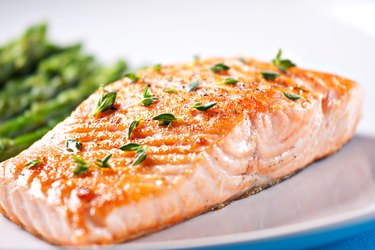
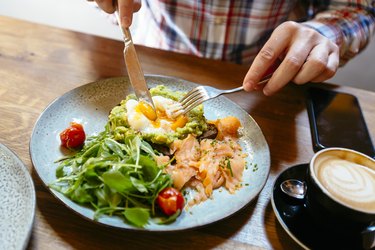
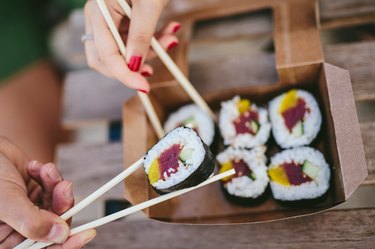
Coenzyme Q10 is also found in some types of seafood, such as herring and rainbow trout, according to the Linus Pauling Institute at Oregon State University. Like red meats, you should boil seafood rather than frying it to preserve the coenzyme Q10 content.

Oils

Some cooking oils, such as soybean and canola oil, are rich sources of coenzyme Q10, notes the Linus Pauling Institute at Oregon State University. Look for cold-pressed or minimally-processed versions of these oils.

Nuts and Seeds

According to Dr. Sears, some nuts and seeds can provide coenzyme Q10 in the diet. These include walnuts, sesame seeds, peanuts and pistachios. Raw versions of these nuts and seeds may provide larger amounts of coenzyme Q10 than roasted nuts and seeds.

Eggs

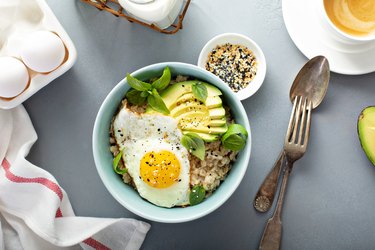
Although not as rich in coenzyme Q10 as red meats and seafood, eggs are considered a source of this compound, according to Dr. Sears. Opt for hard-boiled eggs, which retain coenzyme Q10, and avoid frying and other preparation methods that can destroy this compound.

References

Article reviewed by Jenna Marie Last updated on: Jun 14, 2011

Must see: Photo Galleries

Member Comments