


















































If your child has asthma, you might think that environmental irritants are the main trigger. But often, it's the foods kids eat that affect whether they have more or fewer asthma symptoms. Following a few key diet guidelines can help your child suffer much less.
Food Allergies
Food allergies can trigger asthma, both immediately and as a delayed reaction. An immediate anaphylactic reaction can bring on dramatic and life-threatening asthma symptoms, while delayed reactions can cause chronic asthma. Unfortunately, it's not easy to detect a connection if symptoms appear hours, or even days, after eating. If your child has asthma that occurs equally in all seasons, and isn't triggered by exposure to airborne allergens, then food might be the culprit.
Some foods that are common allergens, and may affect asthma, are milk, cheese, egg, wheat, yeast, preservatives and colorings. However, if he's not allergic to those foods, your child may get asthma relief from consuming some of them.
The Diet Connection
Shane Broughton, Ph.D., of the University of Wyoming, says, "Many people believe contaminants are to blame for the drastic increase in asthma rates, but my studies suggest it has much more to do with what we're feeding children." Leading scientists in the UK, Ireland, New Zealand and Australia have also been studying diet's affect on asthma for more than 10 years.
Fruits and Vegetables
Anthony Seaton, M.D., an environmental medicine professor at Aberdeen University Medical School in Scotland, studied urban children in Saudi Arabia who ate an American-style diet low in produce, and those in rural surrounding areas who consumed lots of fruits and vegetables. After taking pollution and other factors out of the equation, there were still three times as many asthma cases among the city kids.
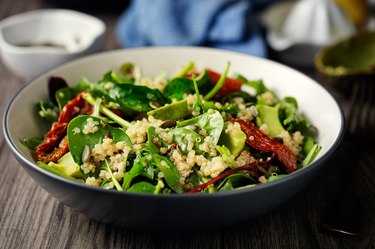
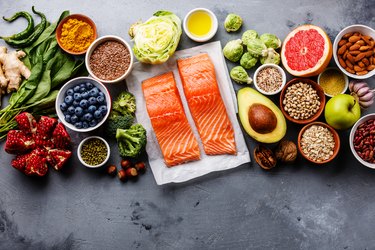
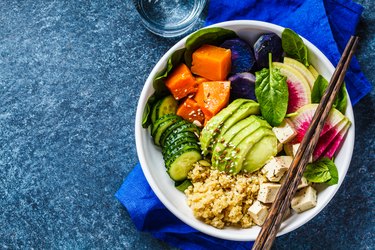
Produce helps boost a child's immune system by providing antioxidants, which may be part of the reason why eating vegetables seems to lessen the chance of getting asthma, and reduce symptoms in those that have it. According to the USDA, most children aged 6 to 11 only get about 4 oz. of vegetables daily, so give your child at least three 1/2-cup servings a day.
Calcium and Magnesium
Researchers from the International Study of Asthma and Allergies in Childhood (ISAAC), in Auckland, New Zealand, have studied more than 700,000 children, and in 2009 published their findings in the "European Respiratory Journal," saying that children who consumed more calcium were less likely to get asthma. In his Saudi Arabia study, Dr. Seaton found the same thing.
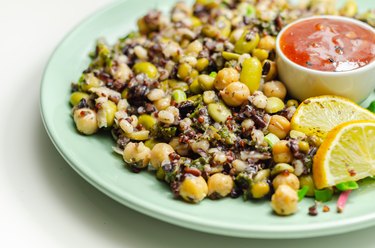
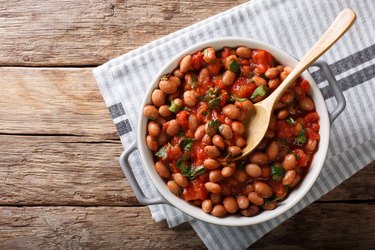
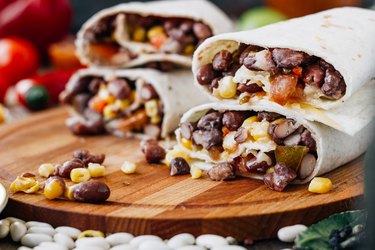
Scientists at England's University of Nottingham say magnesium, as well as calcium, has anti-asthma properties. A child between 4 and 8 years old should get 800 mg of calcium and 130 mg of magnesium each day. Just two cups of milk provides her with 75 percent of the calcium and over 50 percent of the magnesium she needs. Calcium is also found in cheese and yogurt; choose low-fat options if your child is over 2. Magnesium is found in cereal, beans, fish, nuts and green vegetables.
Omega-3
There are two kinds of polyunsaturated fats that children need to grow and develop properly: omega-6 and omega-3. Omega-6 is found in sunflower, safflower and corn oils, and commercially prepared snacks. Omega-3 is in canola oil, walnuts and fish. The USDA recommends that kids get two-and-a-half times the amount of omega-6 as omega-3; however, they say most children get 10 times as much, and that causes the immune system to produce chemicals that inflame the airways and make the lungs sensitive to irritants.
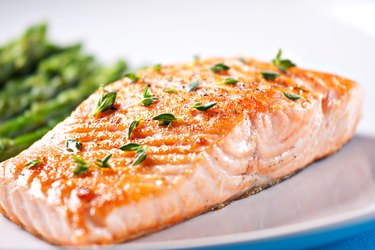
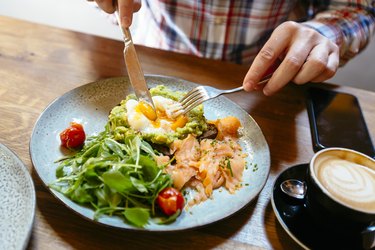
In ISAAC's studies, it found that kids who eat fresh fish are 75 percent less likely to have asthma. Dr. Broughton says that in his studies, fish oil supplements improved asthma symptoms at least half the time. Salmon, herring and anchovies contain the most omega-3s, but feeding your child any fish, including tuna, is better than other protein choices.
Grains
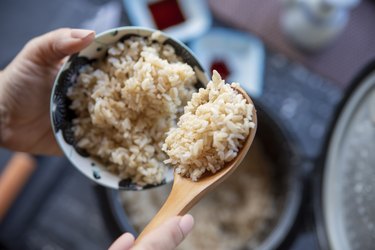
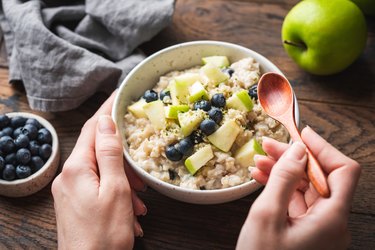
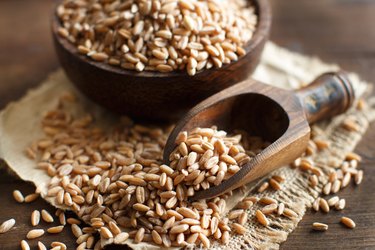
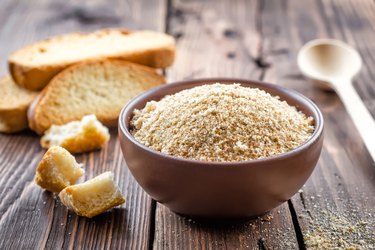
Phillipa Ellwood, ISAAC's research manager, says that in its studies, children who ate more grains and less meat were the most protected against symptoms of asthma. Make sure your child gets about six servings of grains each day, and at least half of them should be whole grains. Whole wheat bread, whole grain cereals, oatmeal and whole grain rice are good choices. If your child is 4 to 6 years old, a serving is 1/2 cup of dry cereal or 1/3 cup of cooked grains. If he's 7 or older, it's one cup of dry cereal or half a cup of cooked grains.


Member Comments