



















































What Is Vitamin Q10?

Vitamin Q10, or coenzyme Q10, is necessary for energy production. It also may serve as an antioxidant. Blood contents of coenzyme Q10 are related to age, peaking at age 20 and then decreasing with age. Vitamin Q10 is often investigated for its role in cardiovascular disease, exercise performance, cancer, HIV/AIDs and headaches. As with many other supplements, research for its benefits is in the preliminary stages.

Significance

The body's current state affects bodily content of vitamin Q10. Smoking decreases vitamin Q10 content. Vitamin Q10 synthesis is dependent on adequate consumption of vitamin B6. Taking vitamin Q10 may decrease blood pressure, and improve outcomes in heart related surgeries.

Sources

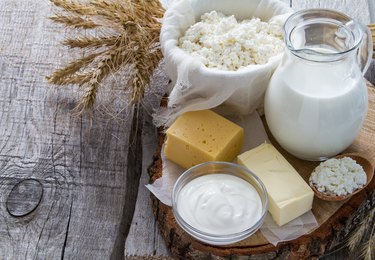
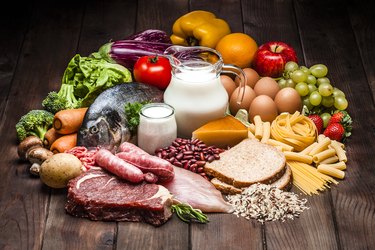
Vitamin Q10 is found naturally in meat and poultry and in small amounts in oranges and broccoli. Frying will destroy the vitamin Q10 content in foods, but boiling foods will not. Supplements containing vitamin Q10 are also available. There is no recommended intake for vitamin Q10, but increasing intake from vitamins and foods will increase serum levels.

Cautions

Vitamin Q10 supplementation appears to be safe. Potential side effects of vitamin Q10 consumption include mild gastrointestinal distress, such as nausea and vomiting, diarrhea, appetite suppression and heart burn. Research on vitamin Q10 supplements has yet to determine the proper doses, timing and safety to be fully effective.

Effect on Cardiac Risks

Vitamin Q10 supplementation may improve outcomes of cardiac surgery, myocardial infractions, or congestive heart failure. Randomized, double-blind studies have shown coenzyme 10 will decrease cardiac events and improve HDL cholesterol levels and improve other function in cardiac patients. In research done on 32 surveyed patients in Minnesota, vitamin Q10 supplementation showed to decrease fatigue in patients awaiting heart transplants.

Effect on Exercise

In studies, supplementing athletes increased concentrations of vitamin Q10, but did not improve athletic performance. In controlled studies done in 1997 with use of a placebo on 18 Swedish participants, the placebo group actually had more of an improvement in athletic performance than the group supplemented with vitamin Q10.

Potential

Breast cancer has shown to lead to a decrease in vitamin Q10 concentrations in the blood, but supplementation has yet to show any significant affect on cancer progression or remissions.
Vitamin Q10 may have a preventative effect on migraines in some people. A study published in 2005 in the journal Neurology, and led by Dr. P.S. Sandor, showed about 50 percent of people had an improvement in migraine frequency than those on a placebo.
People with AIDS or HIV have decreased vitamin Q10 concentrations. Uncontrolled trials have shown that vitamin Q10 supplementation may improve immune function, but the results are preliminary and more research must be done.

References

Article reviewed by Julie Mendenhall Last updated on: Oct 27, 2009

Must see: Photo Galleries

Member Comments