








































About Deodorant

Text size:  |  Post a comment  |  Print  |   | 
Add to my favorites

Overview

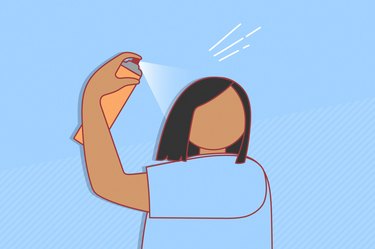
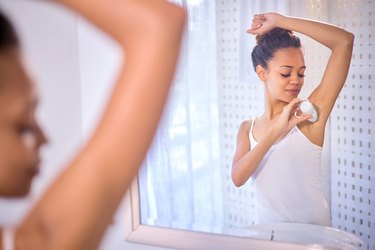
Deodorants are cosmetic products applied to the body to eliminate or cover up unpleasant odors. Most often, deodorants are used under the arms but they can also be used to control odor from other parts of the body. While deodorants alone will control odor, they do not generally control perspiration. To control both wetness and odor, you need to use a deodorant that contains an antiperspirant, which will prevent perspiration by blocking the sweat pores on your skin.

Uses

When perspiration mixes with bacteria that normally live on the skin, a disagreeable odor can result. This happens most commonly in the armpits but can also occur on the soles of your feet. Deodorant products that are designed to manage underarm odor can also be used to neutralize odor from the soles of the feet.

Ingredients

Commercially formulated deodorants contain many ingredients that serve specific purposes. Fragrances are used to help mask body odors and enhance the odor of other ingredients in the product. The mineral silica helps absorb oil residues that collect on the skin surface from perspiration. Moisturizers and oils help soften and condition skin, help the deodorant glide on more easily and help prevent the product from drying out and leaving those telltale white marks on skin and clothing. Propellants are used for deodorant sprays to apply just the right amount. Alcohol and water are used as solvents for other ingredients in deodorant; although alcohol may also play other roles.

Natural crystal deodorant rocks and sticks made from potassium alum, a granite product, are sold as alternatives to conventional deodorants and antiperspirants that may contain ingredients like aluminum that are irritating or objectionable to some people.

How It Works

The alcohol in deodorant is a solvent for other active ingredients and it also makes your skin more acidic in the areas where it is applied. The acidity repels bacteria that normally thrive on moist skin. Perspiration itself is an odorless water mixture, so without bacteria, body odor is eliminated.

Concerns

There is some controversy over a possible link between the development of breast cancer and the use of deodorants and antiperspirants that contain certain products, such as aluminum salts. To block sweat glands and reduce the flow of sweat, manufacturers add aluminum chlorohydrate (ACH) to aerosol and roll-on deodorant/antiperspirants and aluminum zirconium tetrachlorohydrex GLY (AZAG) to deodorant/antiperspirant products that are sold in a more solid form, such as gels and sticks.

A study published in 2003 in the European Journal of Cancer found that women who shave before they apply underarm deodorant/antiperspirants, and particularly those who begin this practice before the age of 16, have an earlier diagnosis of breast cancer. According to experts at the National Cancer Institute, however, subsequent and ongoing clinical studies have provided conflicting results about the link, so there is no conclusive evidence linking underarm deodorant to breast cancer.

Additional Help

If you don't want to use deodorants and/or antiperspirants, or if you have excess body odor or perspiration that requires extra care, be sure to bathe well on a daily basis to reduce the number of bacteria on your skin in areas where odor collects. Dry yourself well, since odor-causing bacteria thrive on moisture, especially in crevices, such as under the arms and between the toes.

Wear light, airy, natural-fiber clothing and footwear made from fabrics like cotton, silk or wool, that will allow your skin to breathe. You can also try synthetic wicking fabrics that are designed to pull moisture away from the skin.

Some foods can cause you to perspire and contribute to body odor. If you think this may be a problem for you, try eliminating caffeine, hot and heavy spices, such as curry powder, and odorous foods like onions and garlic from your diet.

Susan McQuillan

About this Author

Susan McQuillan is a writer in New York City who specializes in health and general lifestyle. She has a master's degree in nutrition from Hunter College and over the past 20 years has been a nutrition editor, contributed to magazines and web sites, and written several books, including Low-Calorie Dieting for Dummies and Sesame Street's C is for Cooking.

Last updated on: 10/27/09

Article reviewed by Iya Catrina Perry

Member Comments

Tools

Track your daily calories. See how many calories you burn and consume.

BMI is a measurement of body fat based on height and weight.

Map your local running, cycling, walking and hiking routes and track your calorie burn.

Find us on the web, receive emails and use our mobile app to keep you motivated.

This tool will help you to decide whether to treat at home or see a doctor.