










































A normal level of platelets is necessary for efficient blood clotting to stop bleeding. A low platelet count--a condition called thrombocytopenia--can lead to increased bleeding. Diet can help in some cases of low platelets, particularly with a condition called idiopathic thrombocytopenic purpura, as noted by the Platelet Disorder Support Association, or PDSA. In ITP, low platelets occur for no definable reason and the condition appears to be an autoimmune disorder.
Protein
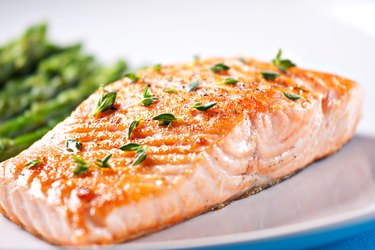
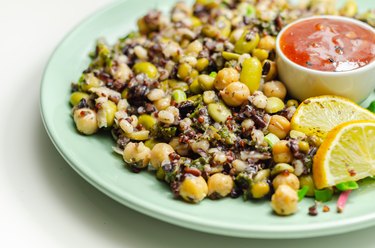
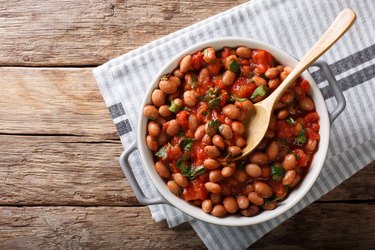
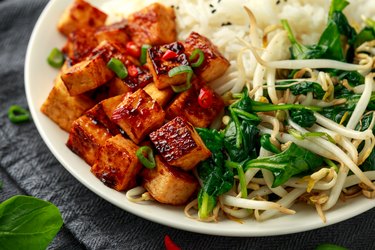
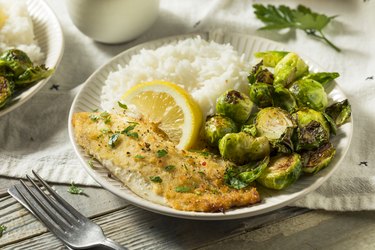
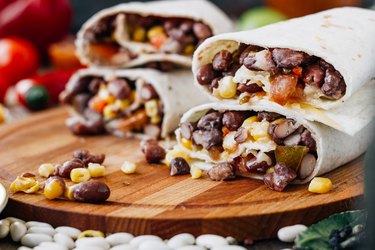
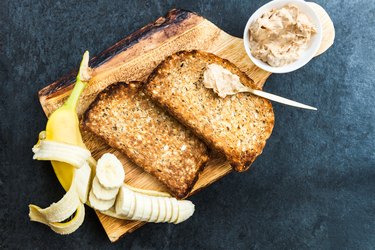
Eating foods high in calories and protein can help improve low platelet levels, advises the Thunder Bay Regional Health Sciences Centre. The PDSA recommends mainly eating lean white fish, beans and nuts for protein, and avoiding meat high in saturated fat and meat that may contain residual antibiotics and hormones. Although dairy products are high in protein, the PDSA recommends eating them only if your condition responds well to these foods.
Whole Grains
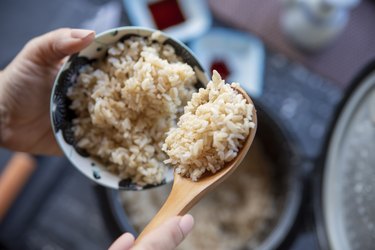
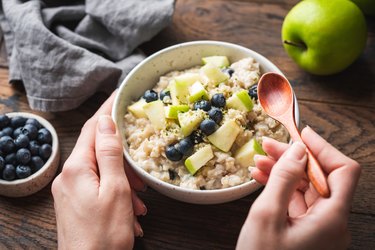
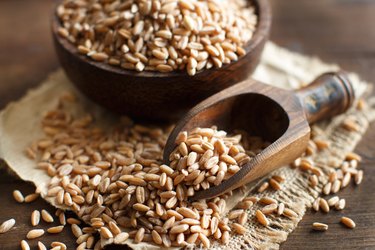
Whole grains also provide protein. The PDSA recommends focusing on whole grain cereals, whole wheat products and brown rice when it comes to grain products. Decrease your consumption of white flour, white rice and processed baked foods, which lack nutrients that occur in the whole grains.
Fresh Vegetables
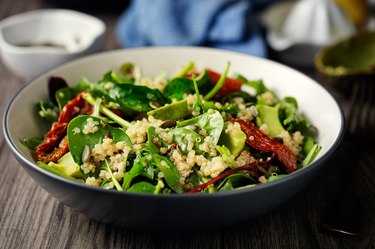
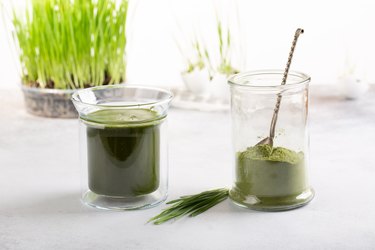
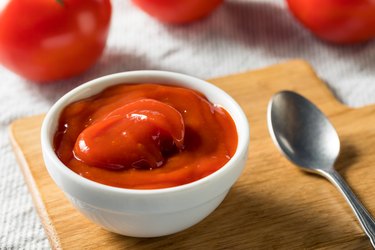
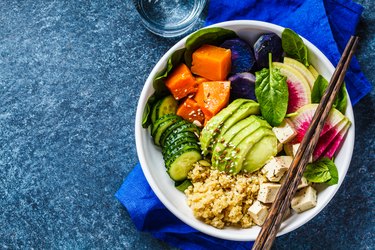
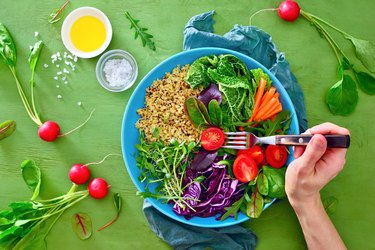
Eat a wide variety of organic vegetables, from as close to the source as you can find and as fresh as possible, advises the PDSA. Include plenty of leafy and other dark green vegetables, as they contain calcium and vitamin K, which are important for blood clotting. Decrease your consumption of onions and tomatoes, which can interfere with blood clotting. Avoid eating leftovers, and decrease or eliminate canned and frozen vegetables and other foods from your diet. Some pesticides and herbicides worsen autoimmune disorders and lead to lower platelet counts, while food additives and preservatives can increase free radicals that cause disease, according to the PDSA.
Oils
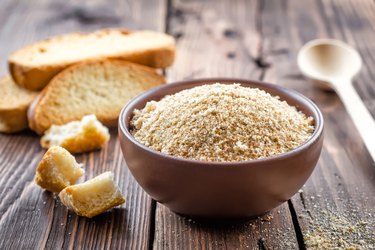
For cooking, baking and salad oils, the best choices are cold-pressed oils such as olive and canola oil, according to the PDSA. Avoid hydrogenated and partially hydrogenated oils and trans fats, along with deep-fried food.
Non-Allergens
If you suspect you may be allergic to some food item, get a food allergy test, as food allergies can be associated with low platelets, notes the PDSA. The most common food allergies, as listed in an article in "Medical News Today," include milk, eggs, peanuts and tree nuts, fish and shellfish, soy and wheat. In addition, some individuals are allergic to citrus fruit. You can continue eating any of these foods if they are in the approved low platelets foods list and if you are not allergic to them.


