
















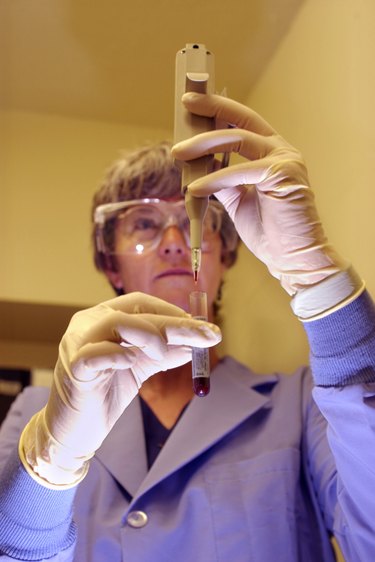






























While cholesterol-lowering medications known as statins do a good job of reducing total cholesterol and LDL, or bad cholesterol, they're definitely not risk-free. Some people avoid statins because they can cause serious liver damage, severe muscle pain and kidney damage. Fortunately, key lifestyle modifications can lower cholesterol in the body and reduce the need for statins.
Step 1
Start a physical fitness program. According to the National Heart Lung and Blood Institute, or NHLBI, regular physical activity can lower levels of LDL cholesterol and raise HDL, or good cholesterol levels. Relatively inactive individuals should visit the doctor to get cleared for an exercise regimen. Low-to-moderate-level activities such as walking, dancing or self-paced home exercises are a great way to start. It's best to start out slow for a few minutes a day with the goal of gradually building up to at least 30 minutes a day three or four days a week.
Step 2
Develop a high-volume exercise regimen. According to the American Council on Exercise, or ACE, reducing cholesterol through exercise is a labor-intensive process. Maintain a high-volume exercise regimen that burns at least 1,500 calories or more a week, which is equal to three to four hours of moderate-intensity activities such as swimming, jogging or cycling.
Step 3
Maintain an ideal weight. Remember that calories in have to be less than calories out if you want to lose weight. According to the Mayo Clinic, blood cholesterol levels can drop with even a 5-to-10-pound weight loss.
Step 4
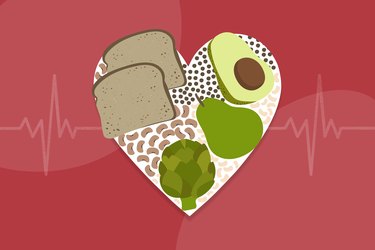
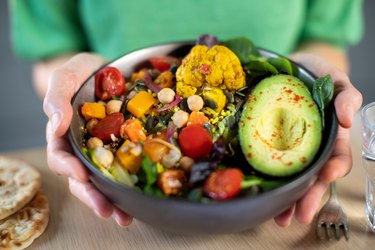
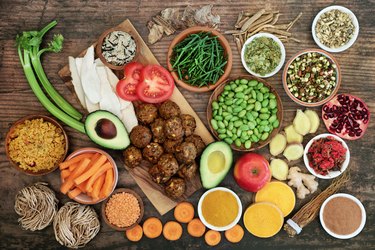
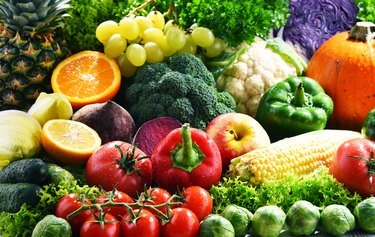
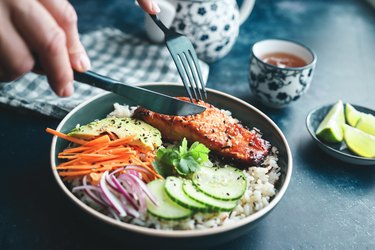
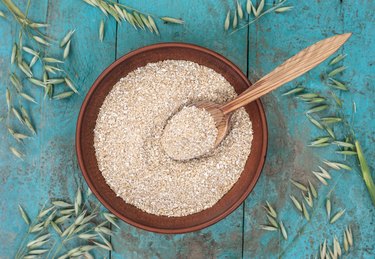
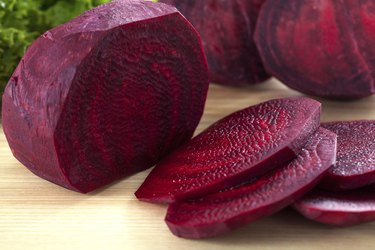
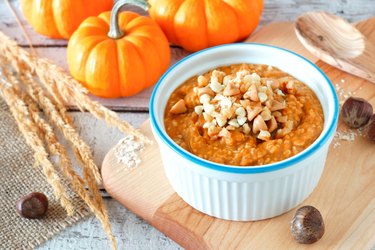
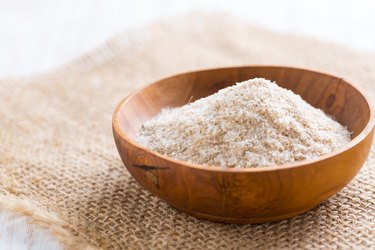
Choose heart-healthy foods. The American Heart Association recommends plenty of fruits, vegetables, whole grains and other high-fiber foods to help remove cholesterol from the body.
Step 5
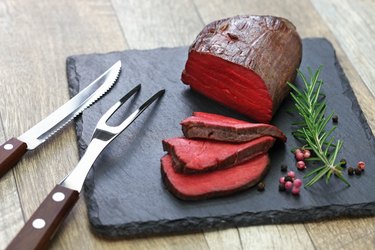
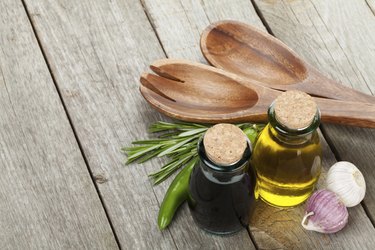
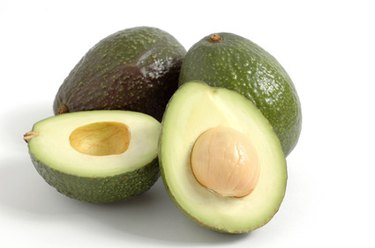
Make wise choices about fats. Trans fats, which are added to prolong the shelf life of commercial baked goods, lead to excess cholesterol in the body. Avoid saturated fats such as those in dairy products and red meat, opting instead for reasonable amounts of mono-saturated fats such as olive, canola and peanut oils.
Step 6
Stop smoking. The Mayo Clinic says nicotine contributes to high cholesterol and that quitting can significantly improve the level of good cholesterol in the body.
References
- Mayo Clinic: Statins--Are These Cholesterol-Lowering Drugs for You?
- Mayo Clinic: 5 Top Lifestyle Changes to Reduce Cholesterol
- National Heart Lung and Blood Institute: How You Can Lower Your Blood Cholesterol
- American Council on Exercise: Fit Facts
- American Heart Association: Lifestyle Changes and Cholesterol


