






















































What Are the Causes of Chronic Gout?

What Are the Causes of Chronic Gout?
Photo Credit spa image by Alex from Fotolia.com

The Centers for Disease Control and Prevention define gout as a rheumatic disease resulting from deposition of uric acid crystals in tissues and fluids within the body. Chronic gout is the reoccurrence of gout and the associated painful symptoms. According to Medline Plus, more than half of those who suffer from one gout attack will experience another.

Symptoms

Chronic gout is similar to acute gout, but may affect more than one joint. The joints of the big toes, knees and ankles are the most commonly affected and may be warm, red and tender. Symptoms frequently begin at night and can be excruciating. Gout episodes may subside within several days, but will return, usually lasting a longer period of time than before.

Causes

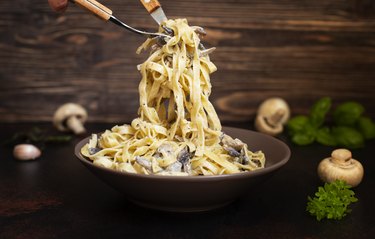
The accumulation of urate crystals on the joints is responsible for the inflammation and painful symptoms associated with gout. These crystals form when levels of uric acid are high in the blood. The body produces uric acid when breaking down purines, natural substances found in the body's tissues and in certain foods such as organ meats, herring, anchovies, sardines, mushrooms, asparagus and beer. High blood levels of uric acid are due to overproduction by the body or under excretion by the kidneys.

Risk Factors

Risk factors for gout include: overweight or obese, high blood pressure, diabetes, high cholesterol, use of diuretics or anti-rejection drugs, arteriosclerosis, family history of gout, regular alcohol consumption of beer and spirits, and diets rich in seafood and meat.

Complications

Chronic arthritis often leads to the development of joint deformities and loss of motion in the joints; pain and other symptoms may be present most of the time. Over time, Tophi, nodule-like lumps of urate crystals, may be deposited in body tissues such as the elbows, ears, and finger joints and are usually not painful but can become inflamed during gout episodes. If urate crystals also build up in the urinary tract, kidney stones may form.

Management

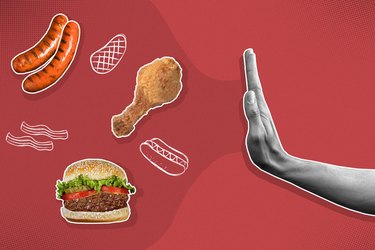
According to the Mayo Clinic, medications are the most effective way to treat gout symptoms, however adopting a healthy lifestyle may also be beneficial. When symptom free, maintain a healthy weight, keep fluid intake high, limit or avoid alcohol and eat a balanced diet including low-fat proteins. During a gout flare up, the American Dietetic Association recommends avoiding alcohol, eating a moderate amount of protein from healthy sources, limiting intake of meat, fish and poultry to 4 to 6 oz a day and drinking eight to 16 cups of fluid each day with at least half being water.

References

Article reviewed by Lynda Moultry Belcher Last updated on: Sep 7, 2010

Must see: Photo Galleries