


































Complications From Poison Oak

Complications From Poison Oak
Photo Credit stop scratching that sign image by robert mobley from Fotolia.com

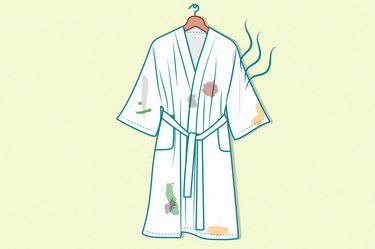
Exposure to poison oak causes unpleasant symptoms in the 50 to 70 percent of people who are sensitive to it, but the culprit is an oil rather than a poison, according to the National Institutes of Health. Toxicodendron plants--poison ivy, poison sumac and poison oak--leak urushiol oil when they are damaged. Exposure occurs through direct contact with the shrub or indirectly by touching urushiol oil on clothing, tools or other objects, notes the Poison Ivy, Oak and Sumac Center. An allergic reaction nomally resolves within two weeks. Complications are rare but can be serious.

Severe Allergic Reaction

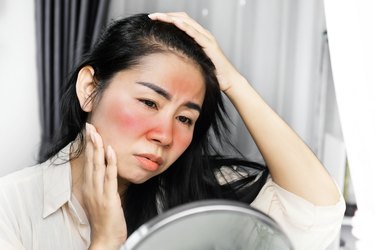
Exposure to a poison oak shrub causes allergic contact dermatitis that is characterized by intense itching, redness, swelling and blistered skin, according to the NIH. The reaction may be mild, moderate or severe, depending on the amount of contact with urushiol oil, the patient's sensitivity to it and the areas of skin affected. Mild to moderate reactions may be managed at home but a widespread or serious reaction may require prescription corticosteroids. If the face, neck or genitals are involved, those areas may need treatment for severe edema or swelling.

Respiratory Distress

Firefighters and others who are exposed to smoke from burning poison oak plants may suffer severe irritation to the lungs, according to the NIH. A patient with difficulty breathing after smoke exposure to urushiol oil requires emergency medical attention. As of September 2010, at least one fatality has occurred due to respiratory distress after smoke exposure to urushiol oil.

Infection

Patients who scratch their skin after poison oak exposure risk developing a secondary bacterial infection, according to the NIH. Organisms under the fingernails may contaminate the open skin, causing an infection. A poison oak rash itches intensely, so treatment focuses on relieving the irritation as much as possible. To control itching and prevent infection, patients are instructed to bathe in cool water, apply cool compresses, keep fingernails clean and short and use over-the-counter corticosteroid creams and antihistamines. If these remedies do not control the itching, the patient's health care provider may prescribe stronger medication to take by mouth or to apply to the skin. If the patient develops symptoms of an infection, including increased pain, drainage from the blisters, pus, odor or fever, the health care provider will prescribe a course of antibiotics.

References

Article reviewed by Lisa Michael Last updated on: Sep 7, 2010

Must see: Photo Galleries