















































Astaxanthin is a red carotenoid pigment produced by plants and algae. These plants are eaten by fish, crabs, lobsters, shrimp, and other marine animals, and it gives those animals their red coloring.
Vegetarian sources of astaxanthin are generally produced using algae from Hawaii, where a type of micro algae called Haematococcus pulvialis is easily grown. Astaxanthin is extracted from algae by exposing it to sunlight. Intense light puts stress on healthy algae plants under stress, producing the bright red astaxanthin pigment as a defense mechanism. Algae plants are then dried and the astaxanthin is extracted for use in supplements.
Check with your doctor before taking any supplements for health benefits.
Possible Astaxanthin Health Benefits
Little human testing has been done with astaxanthin, but animal studies indicate that astaxanthin may be valuable in treating a number of conditions. It is a powerful antioxidant, perhaps more powerful than beta-carotene. Dr. Ray Sahelian, an expert in alternative medicine, notes that "Astaxanthin may play a role in protection of cell membranes against free radical attack." If so, it could be useful in situations where other antioxidants and carotenoids have been proven to be useful, potentially helping to prevent or treat conditions ranging from prostate health and eye problems to heart disease, cancer, and diabetes. Current human research has been slight, and scientific evidence is inconclusive.
Vegetarian Sources of Astaxanthin
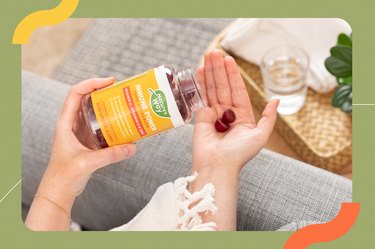
Vegetarian food sources for astaxanthin are scarce, primary sources are derived from commercial supplements. The publication "Astaxanthin Supplements" lists a variety of astaxanthin products that are purely vegetarian, however, including brands such as Asta Pure Astaxanthin, Deva Vegan Astaxanthin Super, Nutrex BioAstin Natural Astaxanthin, NOW Foods Natural Astaxanthin Supplement, and Vitamins Vegan Astaxanthin. The Nutrex company reports raising micro algae from the Kona Coast of Hawaii that is free of pesticides, herbicides, and pollution.
When shopping for purely vegetarian astaxanthin supplements, ensure that the label doesn't contain gelatin in the supplement casing, which is an animal product. For example, BioAstin uses vegetable Glycerin, not gelatin, in its vegetarian astaxanthin supplements.
Considerations
Vegetarian sources for astaxanthin must be distinguished from astaxanthin that is chemically produced and often added to feed in commercial fish farming to improve the color of fish. Astaxanthin can be derived from krill, which eat algae, but may not a good source of carotenoids because of pollution issues surrounding krill.
So far no side effects have been reported from taking astaxanthin supplements, but there has been little human research on astaxanthin, so caution is advisable. Dr. Ray Sahelian recommends taking astaxanthin supplements no more than a few times a week until more research has been conducted.


Member Comments