











































A bunion is a deformity of the joint at the base of the big toe. More women than men experience this deformity. As bunions develop, the big toe gets pushed farther toward the other toes, and the bump on the side of the foot becomes larger. The deformity may become red, swollen and increasingly painful. Surgery may not be the answer, as bunions can often be treated conservatively.
Proper Shoes
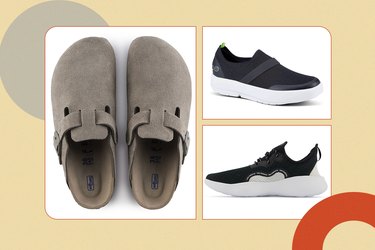
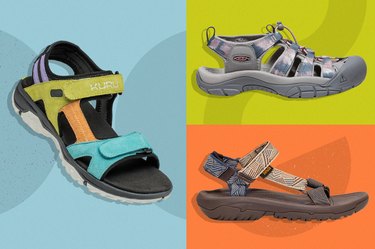
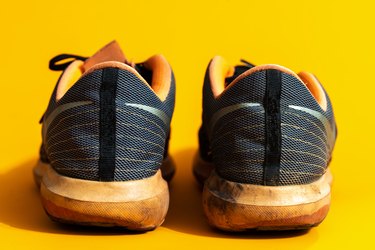
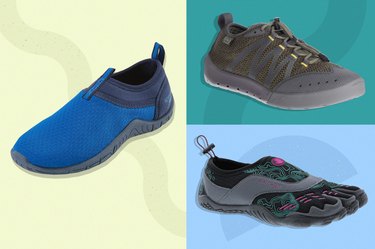
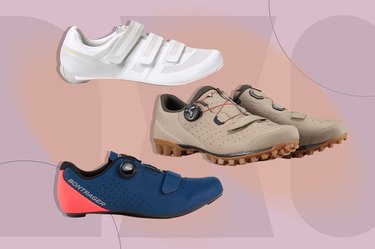
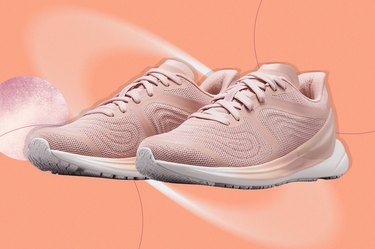
Wearing poorly fitting shoes is a major contributor to bunion development; therefore, the best way to treat or prevent a bunion is to wear shoes that fit well. The American Academy of Orthopaedic Surgeons (AAOS) recommends shoes with a low heel and adequate room in the forefoot area, called the box. The ball of the foot should sit comfortably in the widest part of the shoe. The AAOS also suggests people have their feet measured regularly, because feet continue to grow. Most people have one foot that is larger than the other. Shoes should be chosen that fit both feet comfortably the first time they are worn.
Padding and Orthotics
If a person is already wearing well-fitting shoes but is still experiencing localized discomfort at the bunion site, either padding the bunion or having an orthotic shoe insert made could help relieve symptoms. Commercially available bunion pads cushion the area around the bunion, while an orthotic is usually custom made to support the foot and lessen the pain and inflammation in the big toe joint.
Icing and Anti-Inflammatory Drugs
If the main complaint about the bunion is pain, and especially intermittent pain due to constant standing or a change in footwear, a brief course of ice and taking an over-the-counter nonsteroidal anti-inflammatory drug, such as ibuprofen, may be adequate to relieve the pain. For inflammation of the bursa, the fluid-filled sac that eases the movement of tendons around a joint, the American College of Foot and Ankle Surgeons says a corticosteroid injection may be given.


