
















































Autism and a Dairy-Free Diet

Autism and a Dairy-Free Diet
Photo Credit girl with milk-moustache holding glass of milk image by Nikolay Okhitin from Fotolia.com

While autism has a genetic basis, it may be triggered by environmental factors. Autism is a developmental disorder that affects a child's ability to communicate and interact with others. Diet is currently being studied as one factor that may cause or exacerbate symptoms of autism.

Autism

Autism appears in the first three years of life. Symptoms include problems with social interaction, communication, imagination and restricted interests. Out of every 10,000 children--between 40 and 60--are believed to have autism, Asperger's syndrome or a related developmental disorder, according to a 2003 study by E. Fombonne in the Journal of Autism and Developmental Disorders.

Gluten and Casein

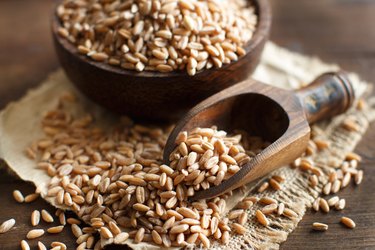
Some people believe that a gluten-free, casein-free diet is useful for treating autism when used in conjunction with other interventions. Gluten is a protein that helps baked goods form their proper structure. It is found in the seeds of several grains, including rye, barley and wheat. Casein is a protein found in dairy products and other foods that contain lactose. Even foods that claim to be dairy-free or lactose-free may contain casein. Calcium and vitamin D supplements are necessary for those who follow casein-free diets. Read ingredient lists to watch for casein. Casein is found in foods that contain milk solids, whey, ingredients with names that begin with "lact," galactose, added protein, caramel coloring and Recaldent, according to Beth Kevles, at mit.edu. Some foods that claim to have "natural ingredients'' have milk-based ingredients.

Theory

Enzymes break down proteins, like casein and gluten, into peptides, and peptides into amino acids. According to the Opioid-Excess Theory, people with autism lack digestive enzymes that can turn casein and gluten-peptides into amino acids. Peptides formed from casein and gluten may be able to cross the blood-brain barrier and attach to opioid neuro-receptors, according to a 2009 review published by Austin Mulloy and colleagues in "Research in Autism Spectrum Disorders." Casein can activate regions in the brain that result in abnormal behaviors. However, these studies have been on rats and have not been replicated in humans, so findings might not translate.

Disadvantages

Children who follow casein-free diets may be subject to stigmatization. These diets may also lead to reduced bone cortical thickness and divert treatment resources. Money is diverted towards the funding of the restricted diet and time is spent on preparing special foods. Children on these diets are at increased risk of nutritional deficiencies, according to a 2003 study published by G.L. Arnold and colleagues in the "Journal of Autism and Developmental Disorders."

Research

Studies of autism and gluten and/or casein-free diets have found mixed results, so further research is needed. There is no conclusive evidence that these diets reduce or eliminate autism symptoms, according to the "Research in Autism Spectrum Disorders" review. None of the studies found support for the Opioid-Excess Theory. The researchers recommended that people with autism should only follow these restrictive diets if a known food allergy or intolerance is present.

References

Article reviewed by Billie Jo Jannen Last updated on: Sep 10, 2010

Must see: Photo Galleries

Member Comments