












































How Do Men Get Rid of Blemishes?

How Do Men Get Rid of Blemishes?
Photo Credit Close-up of a handsome young man at the park in front of a pond image by citylights from Fotolia.com

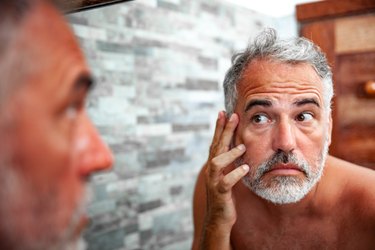
Blemishes are pesky symptoms associated with acne, a dermatological condition caused by clogged hair follicles. The term blemish typically refers to either the acne lesion itself or, once healed, the hyperpigmented mark it leaves behind. In both cases, treatment is available in a myriad of forms, including specially formulated cleansers, lotions and topical medicines. Both men and women can use these products, which are available by prescription and over-the-counter at most pharmacies.

Acne Blemish Treatment

Step 1

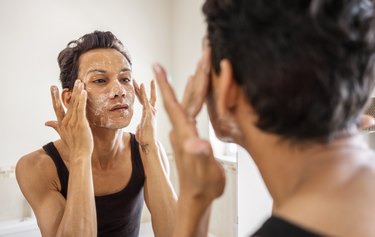
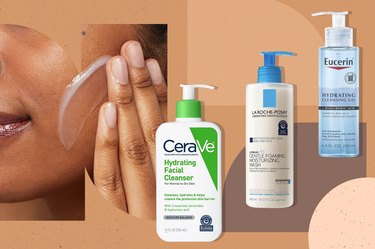
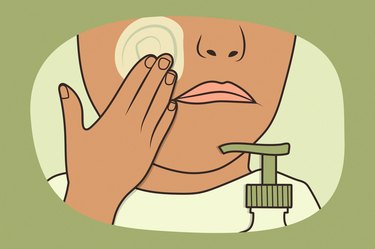
Use a soft washcloth to apply a cleanser or mild soap to your face in a circular motion. In his book "Acne for Dummies," Dr. Herbert P. Goodheart suggests using Ivory soap if you have oily skin, Dove soap if you have dry skin and a non-soap cleanser such as Cetaphil if your skin is sensitive. Rinse with lukewarm water, then pat the skin dry with a towel.

Step 2

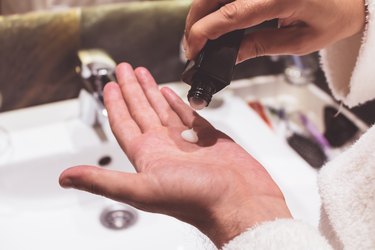
Spread a thin layer of 2.5 percent benzoyl peroxide cream over the affected skin. Benzoyl peroxide works to treat blemishes by killing acne-causing bacteria and facilitating the removal of pore-clogging substances, such as oil, dirt and dead skin cells.

Step 3

Apply a medicated lotion containing salicylic acid, a chemical exfoliant that penetrates clogged pores and helps remove dead skin cells. Using salicylic acid helps benzoyl peroxide penetrate the skin more easily, increasing the effectiveness of the treatment, explains Goodheart. Salicylic acid is typically available over-the-counter in .5 percent to 2 percent formulations.

Post-Acne Blemish Treatment

Step 1

Wash your face with a mild soap or cleanser, then pat the skin dry.

Step 2

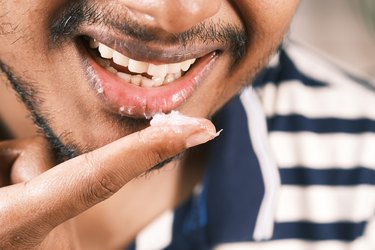
Apply a small amount of hydroquinone cream to the blemish. Rub it in thoroughly. Post-acne discoloration, a type of hyperpigmentation, is caused by excessive melanin production. Hydroquinone treats these dark marks by preventing the production of melanin, according to the New Zealand Dermatological Society.

Step 3

Wash your hands with soap and water to avoid bleaching normally pigmented areas of skin.

Tips and Warnings

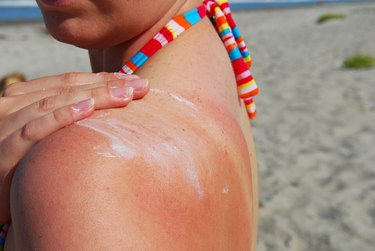
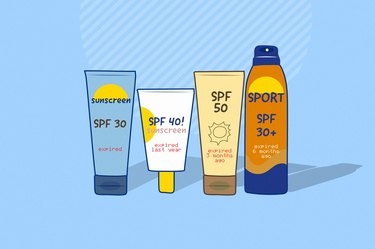
  • Always wear a sunscreen containing an SPF of 15 or more, and limit your sun exposure during treatment. Benzoyl peroxide, salicylic acid and hydroquinone can cause UV sensitivity, increasing the risk of sunburn. Furthermore, the sun darkens hyperpigmented blemishes, making them more noticeable. When using benzoyl peroxide and salicylic acid, follow the product instructions regarding proper dosing and use to ensure the best results. According to Goodheart, it may be several months before acne blemishes respond to treatment. The New Zealand Dermatological Society recommends using hydroquinone cream twice a day. If lightening does not occur after three months, stop the treatment. If over-the-counter products do not effectively treat the blemishes within the recommended timeframe, consult a dermatologist.
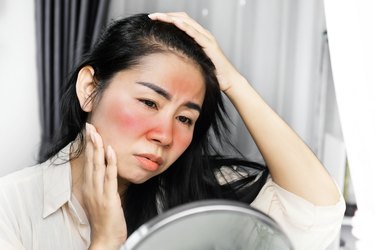
  • Side effects of benzoyl peroxide and salicylic acid use include temporary skin dryness and irritation. If these symptoms persist or become uncomfortable, stop using the treatments. Hydroquinone is generally well tolerated, though minor skin irritations such as itching and redness may occur. If symptoms are severe or include swelling, skin discoloration or burning, stop treatment and contact a medical professional immediately. Do not use hydroquinone if you are pregnant or nursing. Do not use benzoyl peroxide and hydroquinone at the same time, as this may cause temporary, dark stains on the skin. If stains occur, remove them with soap and water.

Things You'll Need

  • Washcloth
  • Cleanser
  • Towel
  • 2.5 percent benzoyl peroxide cream
  • Salicylic acid lotion
  • 2 percent hydroquinone cream
  • SPF 15 sunscreen

References

Article reviewed by SPEstes Last updated on: Jun 14, 2011

Must see: Photo Galleries

Member Comments