



























Abreva for Shingles

Abreva for Shingles
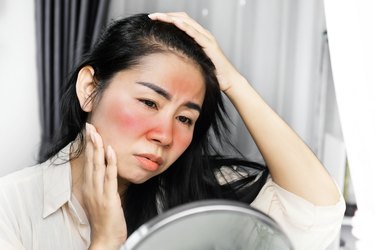
Photo Credit face to face image by DXfoto.com from Fotolia.com

Abreva is an over-the-counter topical cream approved by the Food and Drug Administration for the treatment of cold sores caused by the herpes simplex virus. However, explains Children's Hospital of Michigan infectious disease specialist Nahed Abdel-Haq, M.D. in the April 2006 edition of the "Indian Journal of Pediatrics," Abreva also combats skin lesions caused by similar viruses, including the varicella-zoster virus, which causes shingles. Patients who consider using Abreva for shingles should start by talking to their doctors.

Mechanism of Action

Abreva contains the active ingredient docosanol, a 22-carbon saturated fatty alcohol derived from plants. Docosanol, says Abdel-Haq, attaches to the fatty outer covering of a cell and prevents viruses with similar fatty outer coverings, called envelopes, from crossing and infecting the cell. According to Abdel-Haq, laboratory studies have shown that docosanol inhibits herpes simplex viruses 1 and 2, human herpes virus 6, influenza A and human immunodeficiency virus, as well as the varicella-zoster virus that causes shingles.

Dosing and Availability

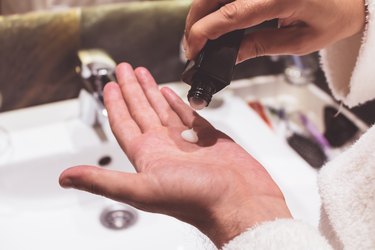
Abreva is sold as a 10 percent docosanol cream that initially appears white and dries with a clear finish. According to the Abreva website, patients can purchase Abreva in a tube or pump dispenser in the cough and cold, or oral care sections of most drug, discount or grocery stores, as well as online. For sanitary reasons, Abreva endorses the tube for home use and the pump for travel use.

Application

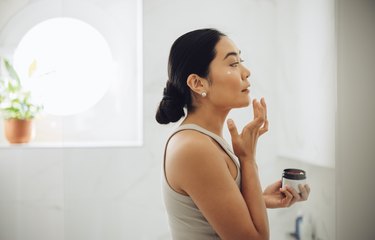
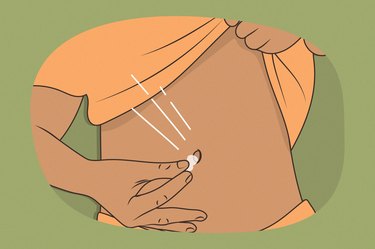
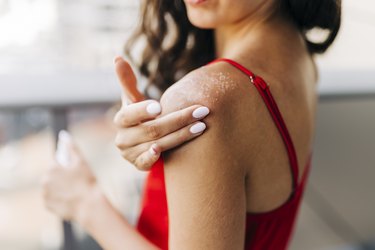
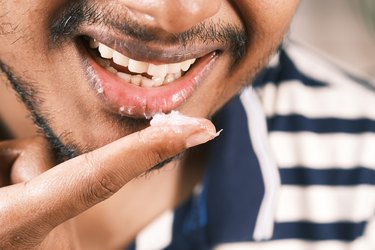
The Abreva website recommends that patients apply Abreva to affected skin five times per day, beginning when skin first starts to tingle or burn. Since skin lesions caused by viruses can easily become super-infected with bacteria, Abreva advises hand washing prior to each product application. Washing hands after applying Abreva can help reduce the risk of spreading the virus to others. Abreva recommends that patients whose skin lesions last longer than 10 days contact their doctors for advice.

Safety

Some people who use Abreva experience headaches, according to MayoClinic.com. Two percent of users, according to University of California San Francisco Associate Professor of Medicine Sharon Safrin, M.D. in the 2008 edition of "Basic and Clinical Pharmacology," experience symptoms of skin irritation such as dryness, itching, rash, redness, soreness or swelling. Patients who experience these symptoms should stop using Abreva and, in the case of severe symptoms or symptoms that last longer than 72 hours, contact their doctors for advice.

Effectiveness

As of September 2010, the National Library of Medicine does not list any clinical trials for Abreva and shingles. In clinical studies for patients with oral or facial lesions caused by the herpes simplex one virus, according to Safrin, Abreva reduced healing time by one day. Additionally, notes Abdel-Haq, many patients using Abreva report significant interim reductions in subjective symptoms such as pain, itching or burning. Abreva also appears to reduce viral shedding, Abdel-Haq continues, so patients who use it may be less likely to spread the virus to others.

References

Article reviewed by Mia Paul Last updated on: Sep 12, 2010

Must see: Photo Galleries