


















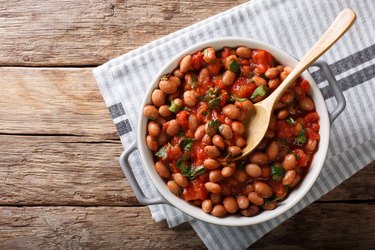

























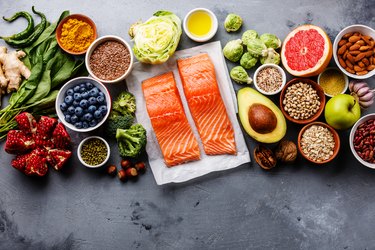










According to the La Leche League, an international organization that helps mothers with breastfeeding, a mother's concern that she is not producing an adequate supply of breast milk is usually a "false alarm." Usually by the time a baby is around 2 months old, an adequate milk supply is established and a mother's body will produce however much milk her baby needs. Allowing your baby to nurse more frequently for a few days will boost milk production. There also are some foods and vitamins referred to as galactagogues that will boost milk supply and quality.
Vitamin B12
The Vegetarian Society website states, "Lactating women need extra B12 to ensure an adequate supply in breast milk." When breastfeeding, you will need 2mcg per day of vitamin B12. Vitamin B12 deficiency can cause anemia. You can take vitamin B12 supplements in a capsule form, or look for foods rich in B12. If you are a vegetarian or vegan, you can get B12 from fortified foods such as cereal and soy milk.
Garlic
Adding a healthy amount of garlic, around two cloves a day, to your daily diet will give your breast milk a better taste. When your baby enjoys the flavor of your milk, he will spend more time feeding, which increase milk supply, according to Breastfeeding-Problems.com Garlic is tasty in pesto, salad dressing and added to savory foods like vegetables and meat. If you dislike the flavor, you can take garlic capsules.
Whole Grains
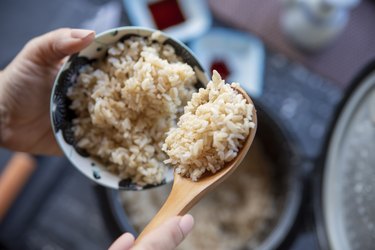
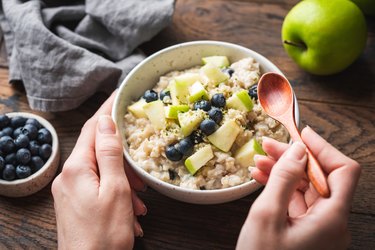
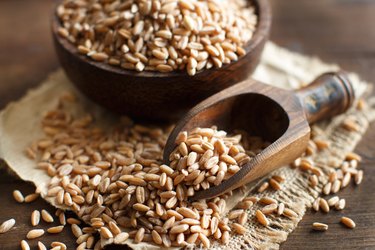
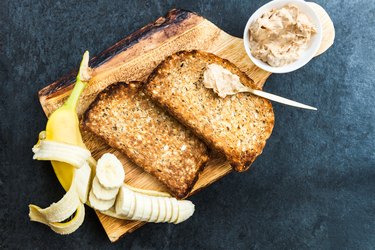
The Mobi Motherhhood International website says that grains have long been used for their galactagogue properties. Oats, like you would eat in regular oatmeal, are a popular choice for increasing milk supply. Other commonly used grains are millet and brown rice. You can consume barley in a cooked form, or you can also use it to make a barley water drink that was popular in ancient Greek medicine as a galactagogue. The drink is made by simply boiling barley and water and drinking the warm water throughout the day with an added sweetener like honey.
Dark Green Leafy Vegetables
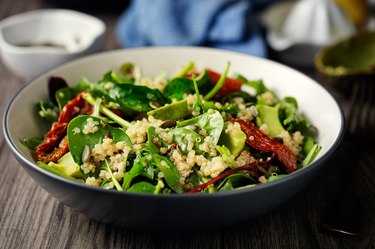
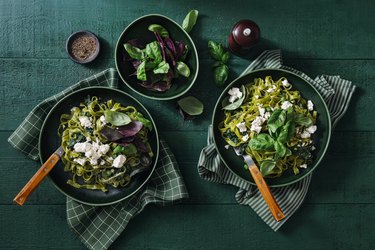
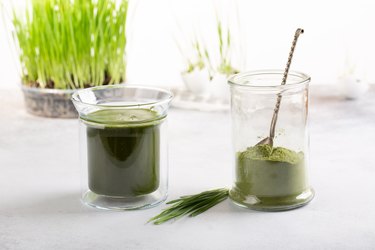
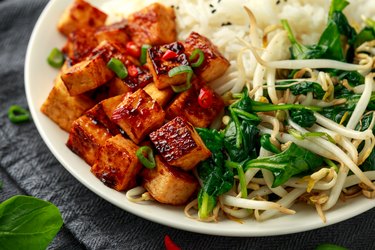
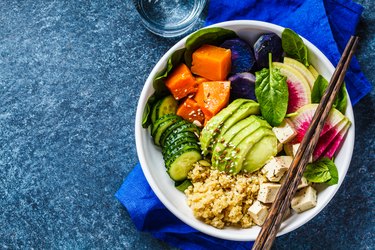
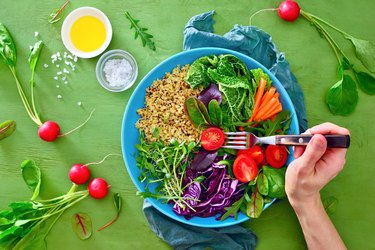
Dark green leafy vegetables contain high amounts of vitamins and minerals. Greens also are packed with phytoestrogen, which are plant compounds that help increase milk. Eat your favorite greens like spinach, collard greens, Swiss chard, arugula and kale. You might want to try something new with green leafy varieties like beet leaves, chicory, dandelion and stinging nettle.
Calcium-Rich Foods
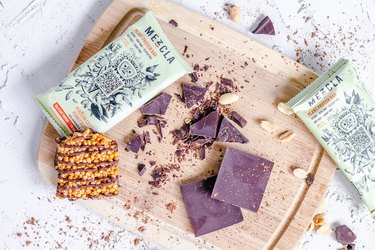
The American Academy of Family Physicians website says that lactating women should eat a diet that is well-balanced and includes plenty of calcium. Five servings per day of milk or dairy products like cottage cheese and yogurt will be sufficient. Calcium can also be found in non-dairy foods like need from broccoli, leafy green vegetables like spinach and collard greens, and sesame seeds.
References
- La Leche League International: How Can I Increase My Milk Supply?
- Mobi Motherhood International: Lactogenic Foods and Herbs
- American Academy of Family Physicians: Breastfeeding: Hints to Help You Get Off to a Good Start
- Breasfeedingproblems.com: Galactagogues
- The Vegetarian Society of the United Kingdom: Vitamin B12


Member Comments