


































Natural Cholesterol Lowering Options

Natural Cholesterol Lowering Options
Photo Credit vegetables market image by AGITA LEIMANE from Fotolia.com

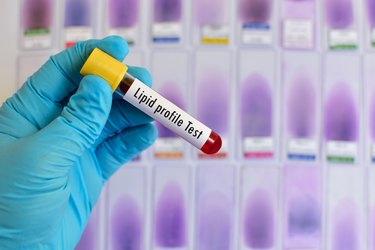
High low-density cholesterol, or LDL, and triglycerides, a closely related lipid, are causally associated with hardening of the arteries, heart disease and stroke. Risk factors for LDL include gender, age and a family history of high cholesterol. LDL levels increase with age. Until the age of 55, men generally have higher LDL levels than women, but after the age of 55, women tend to have higher levels than men. However, you can alter most risk factors for high LDL by making a few lifestyle choices. Because high cholesterol is a serious condition, you should discuss your options with your doctor. Although healthful lifestyle choices can often control cholesterol and triglyceride levels, medications are sometimes necessary.

Lose Weight

Carrying extra body weight increases your risk of developing high cholesterol. According to the Mayo Clinic, losing just 5 to 10 lb. can reduce your cholesterol levels. Other cholesterol-lowering activities include exercising regularly, eating healthful foods and avoiding unhealthful foods.

Exercise Regularly

Exercise reduces LDL and triglyceride levels. A study conducted by Duke University Medical Center researchers found that the reduced level of LDLs and triglycerides continued after exercise cessation, indicating that the body positively responds long-term to exercise. According to the Mayo Clinic, exercise also increases high-density cholesterol, or HDL, which helps reduce LDL, the bad cholesterol. The Mayo Clinic suggests that you exercise every day, if possible, or at least most days of the week.

Eat Healthy Foods

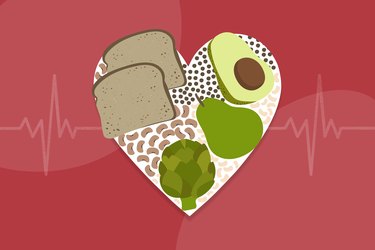
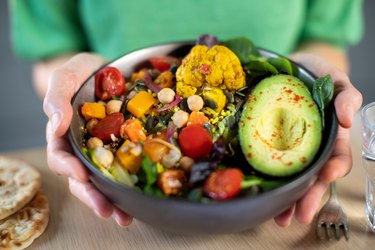
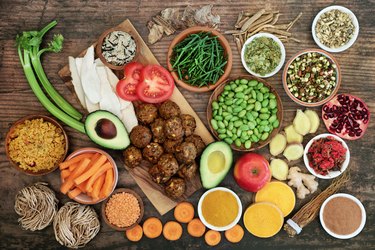
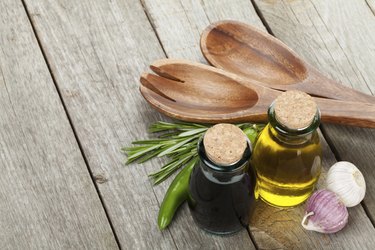
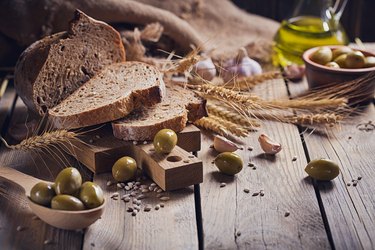
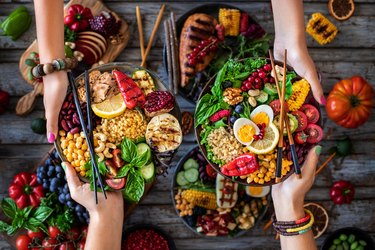
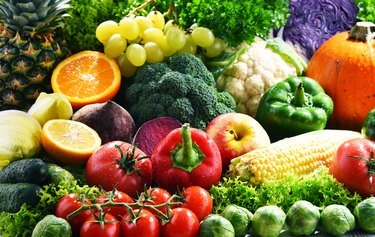
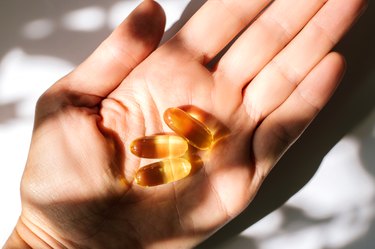
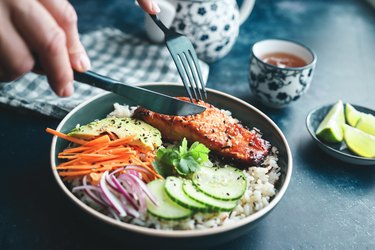
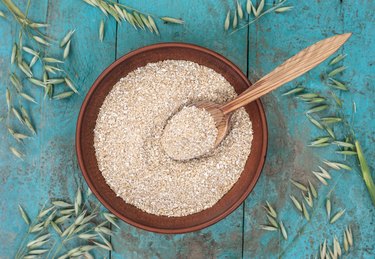
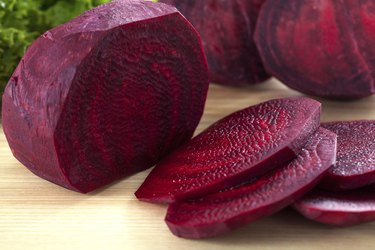
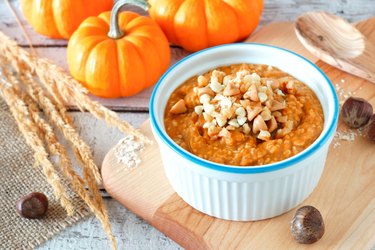
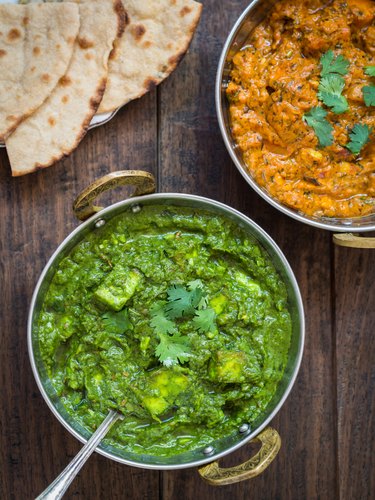
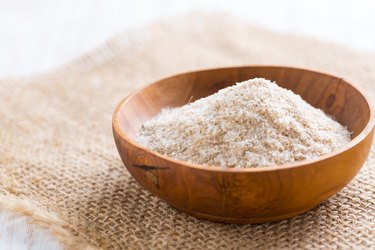
Choosing foods low in cholesterol and "bad" fats can lower your cholesterol levels. If you eat a primarily plant-based diet, stocked with fruits, vegetables, whole grains, legumes, lentils and nuts, you will naturally consume less bad cholesterol and more healthy nutrients. Enjoy good fats, including olive oil and omega-3 found in salmon, trout, walnuts, almonds and flaxseeds. Eat foods high in fiber, such as oatmeal, bran, beans, fruits and vegetables.

Avoid Unhealthful Foods

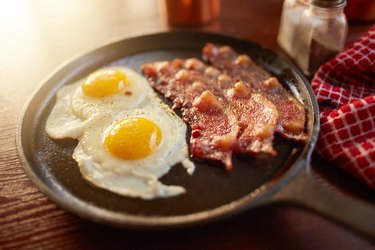
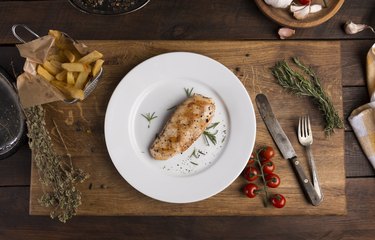
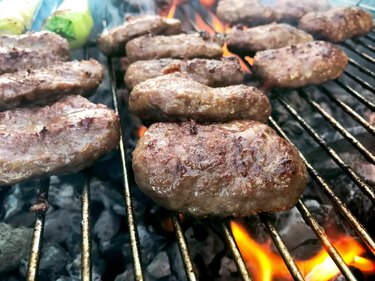
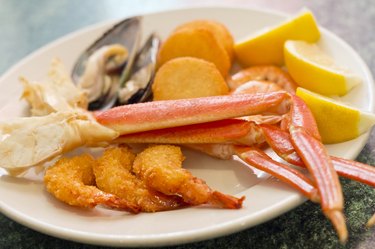
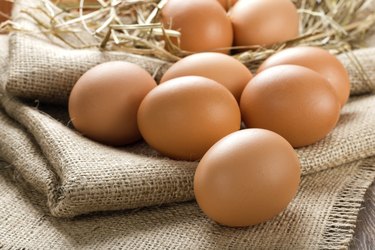
Read food labels. Look for trans fats, saturated fats and dietary cholesterol, which can increase your LDL levels. Animal products, such as meat, poultry, dairy and eggs, tend to contain higher levels of saturated fats and dietary cholesterol. Pay close attention to ingredients in commercially baked products and fried foods, which often contain trans fats. Avoid foods that contain coconut, palm and partially hydrogenated vegetable oil.

Quit Smoking

The Merck Manual Online Medical Library describes smoking as one of the most important modifiable risks factors for atherosclerosis, or hardening of the arteries, caused by high LDL. Smoking increases LDL levels while decreasing HDL, the good cholesterol. Because secondhand smoke can also affect cholesterol levels, you can also help your friends and family lower their cholesterol by quitting smoking.

References

Article reviewed by Kirk Ericson Last updated on: Jun 14, 2011

Must see: Photo Galleries