

















































Gout is a condition characterized by the deposition of crystals in your joints. This can cause your joints to swell and become red or painful. Many foods are linked to an increased risk of gout, so avoiding certain foods may be beneficial for those preventing or treating gout. Talk to your doctor or dietician to determine the best diet plan for you.
Food and Its Link to Gout
Gout is caused by the deposition of uric acid crystals in the joints. Uric acid is a waste product created from the breakdown of a substance known as purine, notes the National Institute of Arthritis and Musculoskeletal Diseases. Purines are found in your body and also in certain foods. High levels of purines in the blood can occur when the body produces too much uric acid, the kidneys are unable to remove uric acid from the body or when someone eats foods with a high purine content.
Good Food Choices
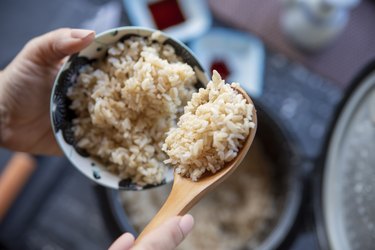
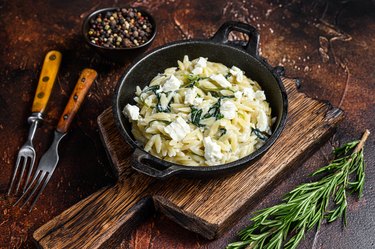
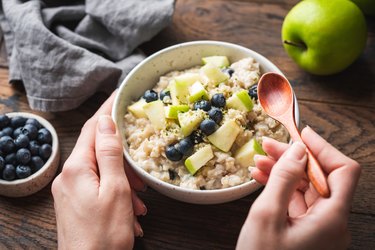
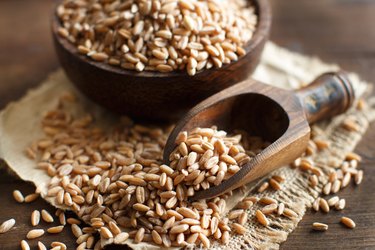
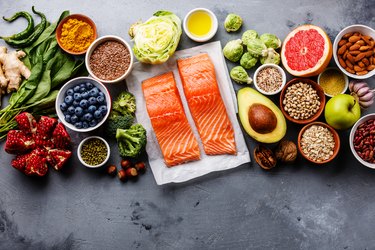
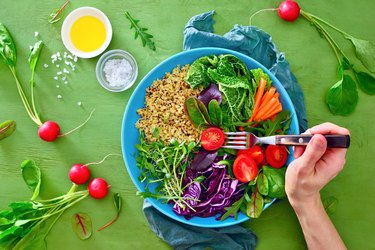
"Arthritis Today" recommends eating these low purine foods: fruits; most vegetables, with a few exceptions noted in Section 3; eggs; milk; enriched cereals, breads and pastas; clear vegetable soups, nuts, sweets and spices. The University of Pittsburgh Medical Center reports that carbohydrates actually help your body remove uric acid; however you should limit the amount of whole grain products to two servings a week, as they have a moderate purine content.
Foods to Avoid
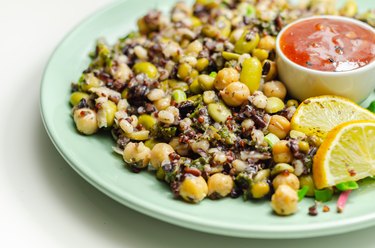
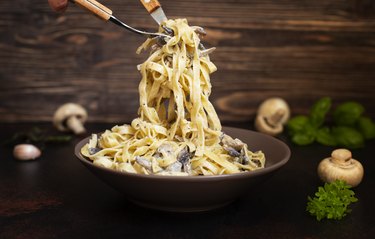
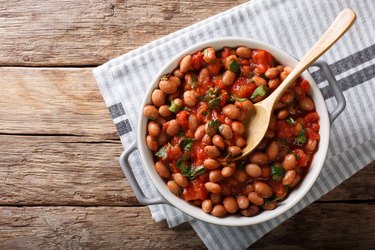
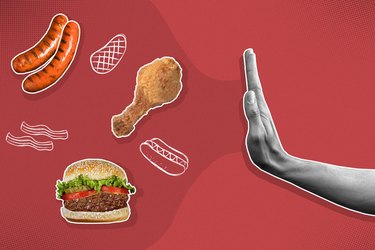
"Arthritis Today" recommends that you avoid foods with a high purine content, such as mussels, anchovies, fish eggs, sardines, liver, brains, kidneys, hearts, herring, sweetbreads, gravy, broths, beer and wine. You may eat about one serving a day of foods with a moderate purine content, including meats, fish--not including high purine content fish--poultry, any seafood not mentioned as high in purines, cauliflower, peas, asparagus, spinach, mushrooms, lentils, beans, yeast and whole grain cereals. The MayoClinic.com states that because purines are found in all animal proteins, you should limit your consumption of animal proteins to four to six ounces a day. Also limit the amount of fatty foods and alcohol you consume because fat and alcohol decreases the excretion of uric acid in the kidneys.
Studies
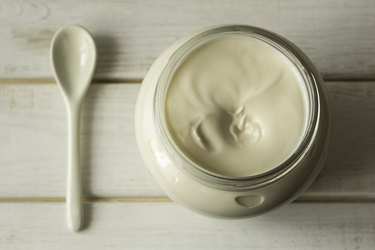
Although we know that certain foods worsen gout, one study may prove that certain foods can actually decrease the risk of gout. A study published in 2004 in "The New England Journal of Medicine" found that men who consumed low fat dairy products had a decreased risk of gout. Proteins found in milk, such as casein and lactalbumin, are thought to decrease the levels of uric acid in the body. In contrast, the study also found that men who did not consume dairy had a higher level of uric acid.
Prevention
In addition to avoiding foods that are high in purines, there are several things you can do to prevent gout. One is to drink lots of water. Fluids help your body to excrete uric acid. Another is to lose weight if you are obese. According to NIAMS, when you are overweight, you have more body tissue that can be broken down into uric acid.
References
- National Institute of Arthritis and Musculoskeletal and Skin Diseases: Gout
- "Arthritis Today": Foods' Purine Content
- University of Pittsburgh Medical Center: Low-Purine Diet
- MayoClinic.com: Gout Diet
- "New England Journal of Medicine": Purine-Rich Foods, Dairy and Protein Intake, and the Risk of Gout in Men; Dr. Hyon K. Choi et al.; March 11, 2004


