









































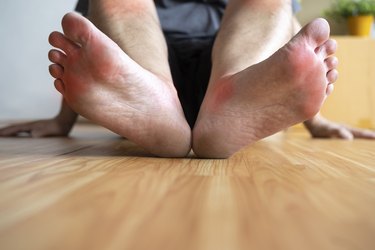























Tingling is an abnormal body sensation that is often described as "pins and needles" or "pinpricks." Tingling can occur in any part of the body, but most often affects the fingers, hands, feet, arms and legs, according to MedlinePlus. Some causes of tingling are a normal part of the aging process and are not serious. If tingling is accompanied by confusion, contact a medical professional immediately.
Cervical Spondylosis
The backbone and neck are composed of a series of bones called vertebrae that are cushioned by spinal discs and held together with cartilage. As a person ages, the bones and cartilage begin to weaken due to the constant pressure that is put on them during daily life. As the structures deteriorate, small growths called bone spurs begin to develop. This condition is referred to as cervical spondylosis. MayoClinic.com notes that most people have some evidence of cervical spondylosis by the age of 30. Symptoms of cervical spondylosis include pain and stiffness in the neck; pain in the arm and chest; tingling and numbness in the limbs and extremities; difficulty walking; problems with balance and coordination; and loss of bladder control. Mild cases of cervical spondylosis can be treated with the use of a neck brace, over-the-counter pain relievers and physical therapy. Moderate to severe cervical spondylosis may require prescription medications or the injection of corticosteroids into the affected area.
Hypoparathyroidism
The body has four parathyroid glands located next to the thyroid gland in the front of the neck. The parathyroid glands make parathyroid hormone, which aids in regulation of calcium and phosphorus levels in the blood. Hypoparathyroidism is a condition that occurs when the parathyroid glands do not make enough parathyroid hormone. This causes calcium levels in the blood to drop, while phosphorus levels in the blood rise. This results in muscle spasms, cramping, hair loss, dry skin, numbness, tingling and seizures. Children with hypoparathyroidism often experience vomiting, headaches and mental problems, according to the University of Maryland Medical Center. Hypothyroidism may be congenital or acquired later in life due to radiation therapy, parathyroid surgery and certain diseases. Hypoparathyroidism cannot be cured, so treatment involves lifelong supplementation of calcium and vitamin D.
Stroke
A stroke is defined as an interruption in blood flow to any area of the brain. There are two types of stroke: ischemic and hemorrhagic. An ischemic stroke occurs when a blood clot prevents blood from reaching the brain. A hemorrhagic stroke occurs when a blood vessel in the brain ruptures and causes blood to leak onto the brain. This prevents oxygen from reaching the brain tissues and results in cell death. MedlinePlus notes that high blood pressure is the leading risk factor for strokes. Symptoms of a stroke include a sudden headache, hearing problems, taste abnormalities, mental confusion, dizziness, loss of balance, muscle weakness, mood changes, vision problems, difficulty speaking and numbness and tingling, usually on one side of the body. A stroke is a medical emergency, so it is important to seek immediate medical attention if any of these symptoms occur.


Member Comments