












































Top 10 Heart Healthy Foods

Top 10 Heart Healthy Foods
Photo Credit Jupiterimages/Photos.com/Getty Images

Heart disease is the country's number one killer. Almost half a million men and women die from this disease each year. Luckily, lifestyle modification, including eating a plant-based diet rich in legumes, fruits, vegetables, whole grains and healthy fats is a great way to help prevent heart disease. Many vitamins and minerals are considered especially heart-protective.

Kidney Beans

All beans are excellent sources of soluble fiber which lowers cholesterol. Antioxidants help to protect the heart from free radical damage. Black and kidney beans are extremely high in antioxidant compounds called anthocyanins.

Spinach

Spinach is an excellent source of vitamins C and beta-carotene. These powerful antioxidant nutrients help prevent LDL cholesterol from oxidizing and forming plaque on artery walls. Spinach is rich in folate. Folate helps break down homocysteine, a harmful substance in the blood linked to heart disease.

Oranges

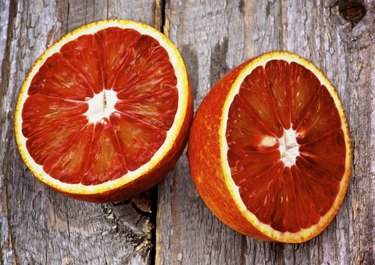
Oranges are full of vitamin C and dietary fiber. Also, the peel and pith of the oranges contain citrus flavanones (one of which is the phytonutrient compound hesperidin). Hesperidin has been shown to lower levels of LDL (bad) cholesterol and raise levels of HDL (good) cholesterol.

Tuna

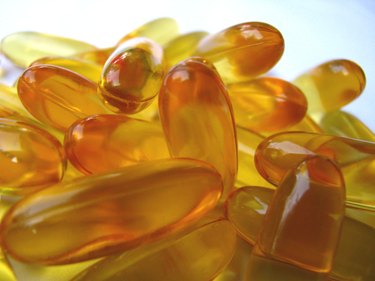
Tuna contains omega-3 fatty acids are special fats which help to thin the blood, reduce blood pressure and lower the risk of stroke. Omega-3 fatty acids may also lower LDL cholesterol and raise HDL cholesterol levels in the blood. Another great choice is salmon.

Garlic and Onions

Garlic and onions contain a class of phytonutrients called Allylic sulfides. They help to raise HDL cholesterol, and lower blood fat (triglyceride) levels. In addition, they help smooth blood flow by preventing platelets from sticking together and forming blood clots.

Oatmeal

Oats are an excellent source of soluble fiber (which helps to lower blood cholesterol levels). Oats also contain compounds called saponins, which bind cholesterol and carry it out of the body. Oats are rich in an antioxidant known as tocotrienol, which helps keep LDL cholesterol from sticking together and forming plaque on arteries.

Berries

Cranberries are rich in flavonoids. Flavonoids are plant pigments that offer antioxidant benefits. One disease-fighting flavonoid, quercitin, may help to prevent damage to the linings of blood vessels and reduce the risk of stroke. Blueberries are rich in a class of phytonutrients called anthocyanins, which support the integrity of the vascular system.

Almonds

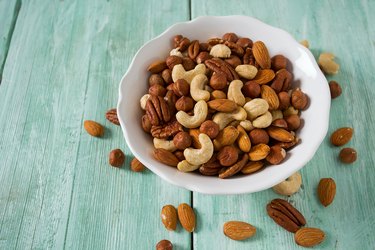
Nuts contain several nutrients that keep blood flowing well and arteries open. They are excellent sources of vitamin E, an antioxidant that prevents LDL cholesterol from oxidizing and forming plaque on artery walls. Almonds are rich in calcium, vitamin E, magnesium and healthy fats, all of which are heart-healthy. Walnuts are another good choice.

Tea and Cocoa

Tea, especially green tea, is rich in polyphenols, which act as antioxidants in the body. Among other things, polyphenols reduce the likelihood of LDL adhering to artery walls and protect the heart against oxidative damage. Cocoa is a rich source of antioxidants as well that help keep blood vessels healthy.

Soy foods

Soy foods, such as soybeans, may decrease LDL and increase HDL cholesterol levels. Soybeans are fiber-rich and provide omega-3 fatty acids (prevent blood platelets from becoming sticky and forming harmful clots). Tofu and soymilk are full of magnesium potassium and calcium, all important for regulating blood pressure.

References

Article reviewed by Joe Crosby Last updated on: Aug 11, 2011

Must see: Photo Galleries

Member Comments