
































































Home Remedies to Get Rid of a Yeast Infection Around the Mouth

Home Remedies to Get Rid of a Yeast Infection Around the Mouth
Photo Credit mortar and herb spices studio isolated image by dinostock from Fotolia.com

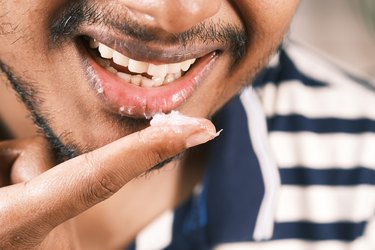
An oral yeast infection, called thrush, is caused by a fungus of the Candida species. In healthy people, candida lives on the skin and in the gastrointestinal tract without causing problems. If the immune system is compromised by illness, infection or certain medications, candida can grow unchecked and cause infections throughout the body, including the mouth. Conventional treatment may involve antifungal drugs like amphotericin B, clotrimazole and fluconazole, but these can have unpleasant side effects. Herbal mouthwashes may be effective home remedies for oral yeast infections. It is important to consult a health care professional before using herbal remedies, especially for children.

Ziziphus

Ziziphus, or Ziziphus joazeiro, is an evergreen shrub in the buckthorn family native to South America. Ziziphus species are found throughout the world, and local healers use the bark and leaves to treat a wide range of diseases including bronchitis, sore throats, urinary infections, fevers, cavities, skin ulcers, indigestion, acne and gastric ulcers. The active ingredients include saponins, alkaloids and triterpenes, including betulinic acid, and the plant has anti-inflammatory, astringent, analgesic, antimicrobial and anticancer actions. Ziziphus is used in Brazil as a mouthwash to treat oral yeast infections. An in vitro study by M. C. Cruz and colleagues published in the May 2007 issue of the Journal of Ethnopharmacology tested a ziziphus extract against five fungal strains, including two candida strains. The study found that the extract had significant antifungal action against all five strains and compared favorably with the antifungal drug, amphotericin B, used as a control. This study supports the traditional use of ziziphus for treating thrush. Further studies are needed to confirm these results in humans.

Clove

Clove, or Syzygium aromaticum, is an aromatic spice from an evergreen tree used in cooking and traditional medicine systems throughout the world. Clove essential oil contains eugenol, which is used in dental medicine and as a home remedy for toothache, indigestion and mouth infections. Eugenol has antiseptic, analgesic and antifungal properties. A study by E. Pinto and colleagues published in the November 2009 issue of the Journal of Medical Microbiology tested clove oil and eugenol against several fungal strains, including five candida strains taken from recurrent cases of oral yeast infection. The study found that the oil, which was 83.5 percent eugenol, was active against all strains of fungi, including those resistant to the conventional antifungal drug fluconazole. Clove oil and eugenol disrupt the fungal cell membrane by inhibiting the production of ergosterol, a compound that fungi need to maintain proper cell function and integrity. In the study, eugenol destroyed 99.2 percent of cells, while the standard drug, amphotericin B, destroyed 20 percent. This study supports the use of clove oil for treating oral yeast infections, but further studies are needed to confirm these results and determine proper safety levels.

Lemon Grass

Lemon grass, or Cymbopogon citratus, is a perennial grass native to India and used throughout Asia for cooking and medicine. The active ingredients include anti-candida terpenoids like eucalyptol, caprylic acid, caryophyllene, citronellal, citronellol, geraniol and quercetin. Oral thrush is a serious problem among people with HIV/AIDS. A randomized control trial by S.C. Wright and colleagues published in the March 2009 issue of Phytomedicine tested lemon grass tea against lemon juice mouthwash and a standard gentian violet solution on hospital patients with HIV/AIDS and oral thrush in South Africa. The study found that lemon grass and lemon juice were more effective than gentian violet. Lemon grass tea had fewer adverse effects than lemon juice because the juice mouthwash stung when coming into contact with mouth sores. This study supports the use of lemon grass as a treatment for oral yeast infection; however, further studies are needed to confirm these results.

References

Article reviewed by Julie Mendenhall Last updated on: Sep 23, 2010

Must see: Photo Galleries