







































List of Probiotic Healthy Foods

List of Probiotic Healthy Foods
Photo Credit yaourt image by Claudio Calcagno from Fotolia.com

Your insides are swarming with bacteria, according to the Harvard Medical School Family Medical Guide website. While some of these bacteria may be harmful, most benefit your body, helping to digest food, process waste and keep your digestive system running smoothly. Antibiotics, illness and a poor diet can lead to a reduction in beneficial bacteria. Eating foods that contain probiotics, another name for these beneficial bacteria, can restore your body's microflora.

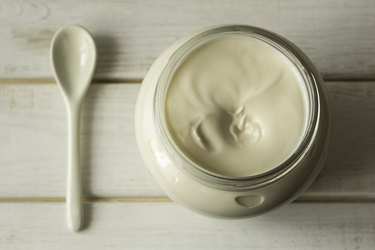
Yogurt

The lactobacillus that turns milk into yogurt help your body digest food. Eating yogurt that contains live, active cultures is one way to ingest probiotics. You can eat yogurt with fruit, stir it into dips, mix it into smoothies or freeze it as a treat. According to the University of Michigan's Integrative Medicine division, freezing does not destroy probiotics.

Kefir

Kefir is a fermented milk drink from the Middle East. Tart and slightly thinner than yogurt, kefir contains probiotics. Researchers at Ohio State University found that lactose intolerant people were able to digest kefir better than milk, making kefir a good source of calcium for people who can't drink milk. You can drink kefir by itself or use it in shakes and smoothies.

Miso and Tempeh

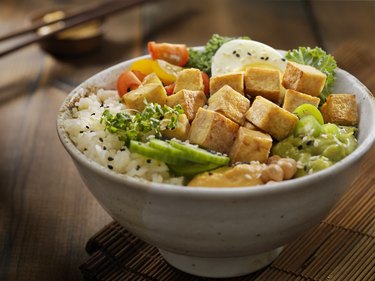
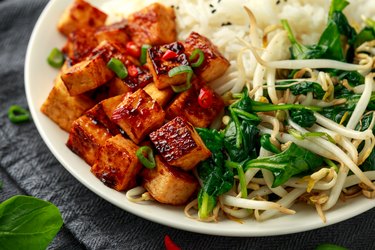
Miso, made from fermented soybeans and grain, flavors everything from soup to salad in Asian cooking. Miso contains lactobacillus, an important probiotic. Soybeans fermented without grain form tempeh, another popular ingredient in Asian dishes. The fermentation process also results in probiotics in the finished tempeh. Use miso as the basis for soup or to season fish, vegetables and other foods. Tempeh can be included in stir fry dishes, casseroles and recipes that call for tofu.

Sauerkraut

The fermented cabbage you enjoy on hot dogs or as a side dish may also contain probiotics. If you want to buy sauerkraut with probiotics, make sure it is unpasteurized. The high heat required for pasteurization kills the probiotics, according to Mary Washington University.

References

Article reviewed by JudithT Last updated on: Jun 14, 2011

Must see: Photo Galleries

Member Comments