























Diet for Laryngopharyngeal Reflux

Diet for Laryngopharyngeal Reflux
Photo Credit Jupiterimages/Comstock/Getty Images

Laryngopharyngeal reflux occurs when there is a back flow of stomach acid into the throat and voice box. There are two sphincter rings in the esophagus. When the lower sphincter ring of the esophagus is not working properly, acid travels into the esophagus. When the upper ring is also not working, the acid is then allowed into the throat. This causes uncomfortable, and sometimes dangerous, symptoms. Laryngopharyngeal reflux can sometimes be controlled with a special diet.

Step 1

Identify foods that caused you discomfort in the past. Make a "bad foods" list of identified foods.

Step 2

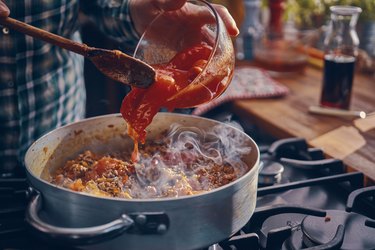
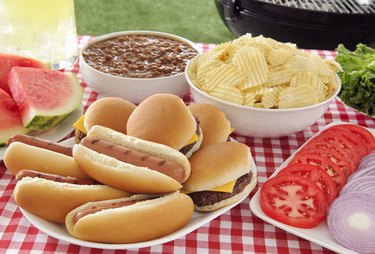
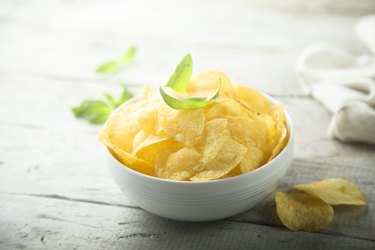
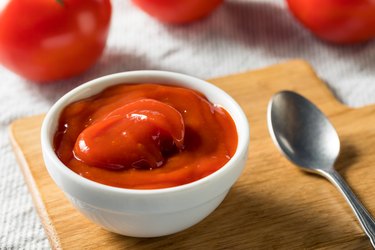
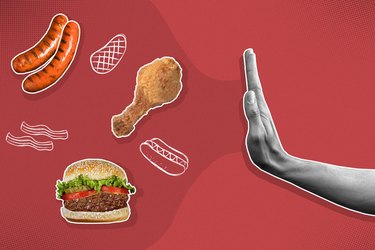
Combine your personal bad food list with foods which have been known to cause extreme acid in most people. Avoid foods from this list. These foods include orange juice, lemon, lemonade, grapefruit juice, cranberry juice, tomato, french fries, onion, ground beef, marbled sirloin, chicken nuggets, sour cream, milkshake, ice cream, cottage cheese, macaroni and cheese, spaghetti with sauce, wine, coffee, tea, salad dressing, cookies, brownies, chocolate, doughnuts, corn chips, and potato chips.

Step 3

Replace the identified foods with similar foods that have not caused the symptoms. Keep a diary of your body's reaction to the replacement foods. Make a "good foods" list of your replacement foods.

Step 4

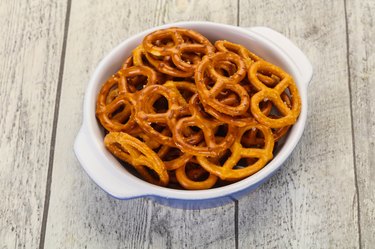
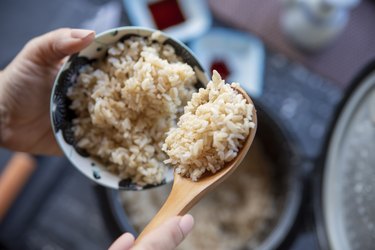
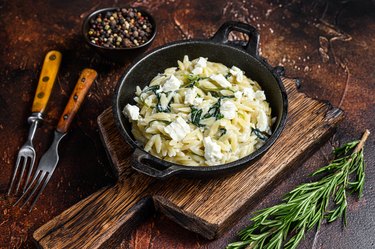
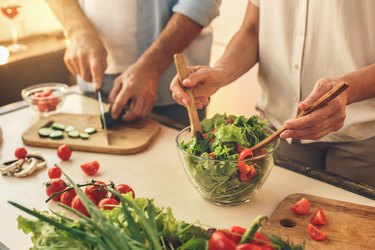
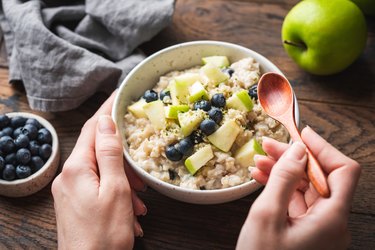
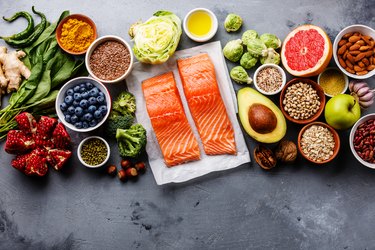
Combine your personal "good food" list with foods that have rarely been reported as causing extreme acid. These include apple, apple juice, banana, baked potato, broccoli, cabbage, carrots, green beans, peas, steak, London broil, skinless chicken breast, egg whites, egg substitute, fish, feta cheese, goat cheese, fat-free cream cheese, fat-free sour cream, low-fat soy cheese, bread, bran or oatmeal cereal, corn bread, graham crackers, pretzels, brown rice, white rice, rice cakes, low-fat salad dressing, fat-free cookie, jelly beans, red licorice and baked potato chips.

Step 5

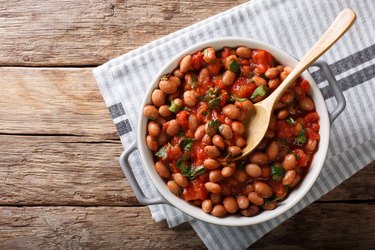
Gather recipes which contain ingredients on your good food list. Compile your collection of recipes into one blank recipe book.

Tips and Warnings

  • Having the recipes in one book will help you form a diet of foods that you can enjoy and a diet you can stick to. Identify various condiments you can place on your good foods list. Use these liberally to spice up foods which you find bland. Both good food and bad food lists will need to be kept up to date.
  • If your reflux continues and is not helped by changes in your diet, you should talk to your doctor again.

Things You'll Need

  • Diary
  • Pen
  • Recipe books
  • Blank recipe book

References

Article reviewed by Helen Covington Last updated on: Mar 28, 2011

Must see: Photo Galleries