
































































The potent antioxidant alpha-lipoic acid may be a beneficial supplement for restless legs syndrome or RLS. Restless legs syndrome is a bothersome movement disorder. The National Institute of Neurological Disorders and Stroke states that as many as 10 percent of the U.S. population may have moderate to severe RLS. Alpha-lipoic acid's powerful antioxidant properties are thought to relieve the symptoms of RLS by benefiting several underlying conditions. However, there is insufficient scientific evidence to support alpha-lipoic acid as a treatment for RLS, fibromyalgia, peripheral neuropathy or sleeping problems.
Alpha- Lipoic Acid's Antioxidant Effects
The antioxidant alpha-lipoic acid is manufactured by your body to turn cell glucose into energy. Alpha-lipoic acid outperforms other antioxidants, such as vitamins C and E, due to its ability to be soluble in both water and fat. Antioxidants lose power when destroying cell-damaging free radicals, and investigations have shown that alpha-lipoic acid may restore their power.
Symptoms and Causes of Restless Legs Syndrome
Restless legs syndrome is usually described as a crawling, tingling, electrical, painful or itchy sensation in the arms, legs or feet. RLS makes you want to move---hence its name. Symptoms vary in frequency of occurrence and severity. Restless legs syndrome feelings are most pronounced after a period of inactivity, such as sitting or traveling, according to the Mayo Clinic. These uncomfortable, frequent sensations are also likely to disrupt sleep.
The root cause of RLS remains unknown. However, most evidence points to a brain dysfunction involving the neurotransmitter dopamine. Dopamine is responsible for the proper functioning of muscles, and when its pathway is disrupted, the constant need to be in motion results. In addition, chronic conditions such as diabetes, as well as pregnancy and certain medications are possible culprits.
Restless Legs Syndrome and Fibromyalgia
Fibromyalgia, a chronic condition that manifests itself in muscular pain and fatigue, is often accompanied by restless legs syndrome. Alpha-lipoic acid may be a possible remedy for this painful disease. The University of Maryland Medical Center recommends taking 25 to 50 mg of alpha-lipoic acid twice daily to treat fibromyalgia symptoms.
Sleep Disruption and Restless Legs Syndrome
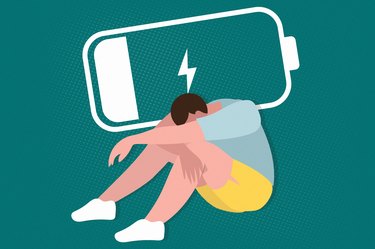
Restless legs syndrome sufferers may have difficulty falling and remaining asleep, according to the National Institutes of Health. Left untreated, RLS patients can become sleep deprived and show signs of fatigue, poor job performance, difficult interpersonal relationships, lack of concentration and depression. RLS is believed to be related to a condition called periodic limb movements of sleep or PLMS. The Mayo Clinic reports that a minimum of 4 out of 5 people with RLS also have PLMS.
Powerful antioxidants, like alpha-lipoic acid, may be a successful sleep aid for those with restless legs syndrome. Investigations suggest antioxidants might regulate the body's equilibrium to help you fall asleep more quickly and remain asleep, says Dr. Alexander Golbin, director of the University of Illinois School Of Medicine's Sleep and Behavior Medicine Institute.
Peripheral Neuropathy and Restless Legs Syndrome
People with peripheral neuropathy may also have restless legs syndrome. The condition peripheral neuropathy results from nerve damage caused by diabetes. Alpha-lipoic acid is thought to benefit damaged nerves. Alpha-lipoic acid lowers blood sugar levels and destroys free radicals, decreasing tingling in the nerves of diabetics, according to the University of Maryland Medical Center.
References
- University of Maryland Medical Center: Fibromyalgia
- University of Maryland Medical Center: Alpha-Lipoic Acid
- Total Health Magazine: Antioxidants May Help You Catch More Productive ZZZs
- Mayo Clinic: Restless Legs Syndrome
- National Institute of Neurological Disorders and Stroke: Restless Legs Syndrome Fact Sheet


Member Comments