









































Pedicures and Fungus

Pedicures and Fungus
Photo Credit pedicure image by NiDerLander from Fotolia.com

Nail fungus is the most common type of nail infection you can get, says the University of Iowa Health Care site. It occurs in the nail as well as around it. Nail fungus can be acquired from salon pedicures, common cosmetic procedures that clean and beautify the skin and nails on your feet. Understanding the development of nail fungus from a pedicure can help you ward against contracting the infection or treat an existing infection.

Contraction

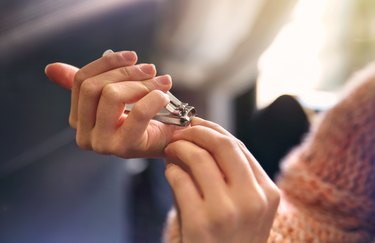
Contracting nail fungus from a pedicure can be easy because the fungus can be found almost anywhere, the site says. Generally, these hotbeds for fungus are the floors of public places, such as salons, gyms or areas with public showers. However, you can also get the fungus from the utensils used in these areas--namely, pedicure tools in salons.

Symptoms

Symptoms of the infection can be painless and cosmetic, or they can be a potentially painful health issue. Cosmetic symptoms include a thickened nail that is yellowed or otherwise discolored. For most, these are the only symptoms. However, those who do not have a strong immune system may experience some pain with the infection, says the site.

Treatment

Upon contracting nail fungus, schedule an appointment with your doctor. Treatment of the infection is mostly oral medications. However, a new nail must be laid down in order to see actual effective treatment, the site says. In addition, your nail must fully grow out before it looks normal after undergoing treatment. Thus, you may not see a complete treatment of the infection for up to 12 months, according to the site.

Prevention

To prevent against getting nail fungus, bring your own pedicure tools, as bacteria and fungus move along utensils that have not been properly cleaned, says the Everyday Health site. If you don't want to bring your own supplies, schedule your appointment for the morning. This is because pedicure tools are typically cleanest in the morning, which limits your risk of developing nail fungus. Don't let the pedicurist cut the cuticles or skin around your nails, which gives bacteria an easy entrance.

Considerations

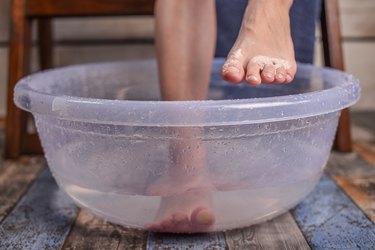
Consider the look and feel of the salon before scheduling an appointment. Certain areas, such as the bathroom and countertops, can clue in to the level of hygiene acceptable at that establishment. Ask the pedicurist or receptionist how much time there is between appointments, as disinfectants generally take 10 minutes to fully sanitize the utensils, the site aays. You can also ask about the cleaning procedures of the foot baths, as these should be washed and drained between appointments and every night, the site says.

References

Article reviewed by Anton Alden Last updated on: Sep 27, 2010

Must see: Photo Galleries

Member Comments