



































































Side Effects of Loestrin

Side Effects of Loestrin
Photo Credit Photodisc/Photodisc/Getty Images

Loestrin is a prescription medication used for the prevention of pregnancy. The medication works by changing the mucus lining of the cervix so that sperm is unable to penetrate. It also prevents a fertilized egg from implanting on the uterine wall. Loestrin may produce many side effects, some of which may require medical attention.

Breast Tenderness and Swelling

Loestrin may produce breast tenderness, swelling or pain in up to 6 percent of women, reports RxList.com. The medication changes the levels of the hormones in the body and leads to these adverse reactions. As the body adjusts to the drug, patients will notice a decrease in breast side effects.

Fluid Retention

Loestrin may lead to edema, or accumulation of fluid in the body, causing swelling of the fingers and ankles. It may also lead to an increase in blood pressure. If the patient notices any symptoms of fluid retention, she should contact a physician right away.

Irregular Vaginal Bleeding

Irregular vaginal bleeding or spotting may occur with the use of the medication and is most likely to occur during the first few months of starting the drug. According to the patient package insert, the bleeding may vary from light staining between menstrual periods to bleeding that is similar to a regular period. This type of bleeding is temporary and not serious; however if bleeding lasts for more than a few days, the patient should contact a physician.

Infections

Vaginal yeast infections are more common in women taking birth control. Symptoms include vaginal itching and discharge that is yellow in color and has a foul smell. Urinary tract infections may also occur in patients on Loestrin. Signs and symptoms of a urinary tract infection include increased frequency and urge to urinate, burning sensation when urinating and urine that appears cloudy.

Vaginitis, which is the inflammation of the vagina, may occur, causing pain, itchiness and redness. Vaginitis may result from an infection, as well. Upper respiratory infection are more common in these women and presents with a sore throat, runny nose, cough and fever may be signs of an upper respiratory infection. Women should immediately report the appearance of these symptoms to physician, so he can decide if medical treatment is needed.

Nausea and Vomiting

Common gastrointestinal side effects of Loestrin are nausea and vomiting. Bloating and stomach cramps may also be seen, Drugs.com states. Since the medication may be given with or without food, the patient may try taking the medication after a meal to reduce the likelihood of developing these side effects.

Melasma

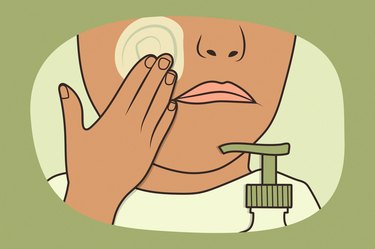
Melasma, which is darkening of the skin, or freckling, may occur on the face. The patient should speak with a health care provider if she notices these changes on the skin. The patient package insert states that this side effect might persist even after the medication has been stopped.

References

Article reviewed by Libby Swope Wiersema Last updated on: Mar 28, 2011

Must see: Photo Galleries

Member Comments