





















































Treatment for Razor Bumps on the Neck

Razor bumps, formally known as pseudofolliculitis barbae, are a form of skin irritation caused by ingrown hairs in the skin of your neck or face. Ingrown hairs can occur during shaving in anyone who has curly or coiled hair. Potential treatments for razor bumps include avoiding shaving and use of antibiotic medications.

Understanding Razor Bumps

Razor bumps occur when hairs in your beard pierce your skin before leaving your hair follicles or when hairs curve back into your skin after leaving your follicles, according to Merck. When these types of penetration happen, they produce an irritating skin reaction triggered by an inflammatory reaction similar to that caused by a foreign body. In turn, this skin reaction can produce papules, or pimples, and pus-filled papules called pustules.

Shaving Changes

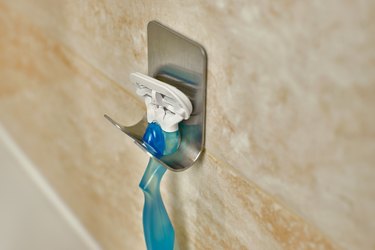
As a first step in treating razor bumps on your neck or face, the DermNet NZ website recommends that you avoid shaving for a period of 30 days. When you begin shaving again, avoid using double-bladed razors, which cut your beard hairs extremely short and can encourage razor bump formation. If you cannot go for an extended time without shaving, cut your beard with an electric razor or electric hair clippers in combination with an attachment that prevents you from shaving hairs down to skin level. Try to leave yourself with a classic five o'clock shadow when you finish shaving.

Medications

If you have mild skin inflammation associated with razor bumps, your doctor may recommend topical treatment with topical antibiotics or a 1 percent solution of topical hydrocortisone, Merck notes. If you have mild or moderate inflammation, he may also prescribe a topical solution of retinoic acid, also called tretinoin, or a cream that contains benzoyl peroxide. Moderate to severe cases of razor bump--related inflammation can be treated with oral doses of the antibiotics erythromycin or tetracycline.

Additional Treatments

If you have an acute case of razor bumps, you can apply a warm compress to your neck or face, then remove your ingrown hairs with tweezers or a needle, Merck reports. You can also remove your facial hair with chemicals called depilatories, which dissolve your hair and eliminate the need for shaving. In addition, you can use lotions that contain glycolic acid, which erodes surface skin cells and reduces the chances for razor bump--related inflammation.

Considerations

Depilatories, retinoic acid and benzoyl peroxide can all unduly irritate your skin, Merck explains. If necessary, you can permanently remove hair follicles with laser treatments or a hair removal technique called electrolysis. If razor bump treatments are ineffective, you may need to grow and maintain a beard to avoid bump formation on your neck or face, DermNet NZ notes.

References

Article reviewed by Heather Wilkins Last updated on: Sep 29, 2010

Must see: Photo Galleries

Member Comments