












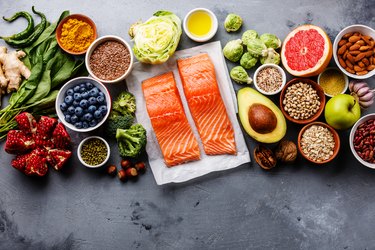
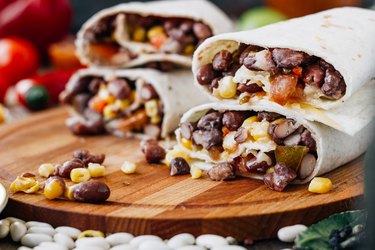

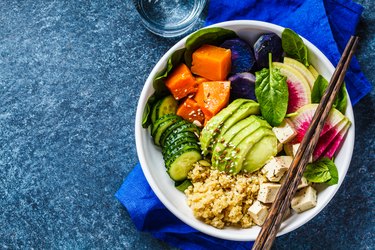

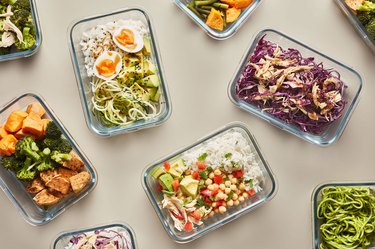


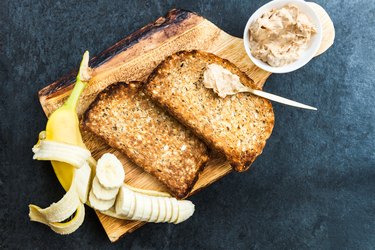

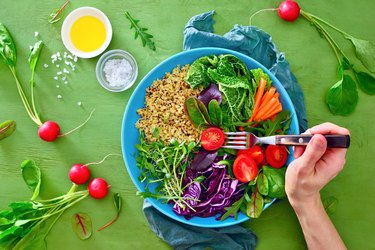

Despite the boom of low fat fat diets and foods, 106.7 million Americans today are estimated to have high cholesterol. Having an unhealthy level of cholesterol, above 200 mg of fat per deciliter of blood, increases your chances for heart disease, stroke and heart attack. (A deciliter is one tenth of a liter; there are 5 to 6 liters of blood in the body.) Cholesterol-reducing diets are rich in healthy fats and natural foods.
Types
A cholesterol blood screening is made up of two numbers; low density lipoproteins (LDLs), and high density lipoproteins (HDLs). LDLs are responsible for carrying fat and cholesterol from the liver to rest of the body. During this transport, cells latch onto the LDLs and extract fat and cholesterol. When you have too many LDLs in the blood, that means you have excess fat in the blood. This excess fat deposits on your arterial walls and over time turn into plaque. HDL, on the other hand, is called "good" cholesterol, because HDLs help keep your arterial walls clean by scraping and transporting excess fat and cholesterol back to the liver for disposal.
Fiber
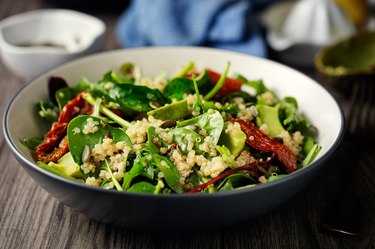
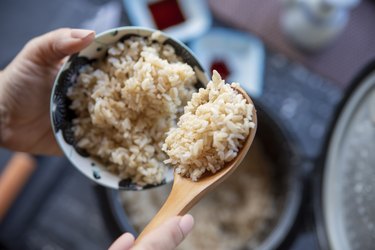
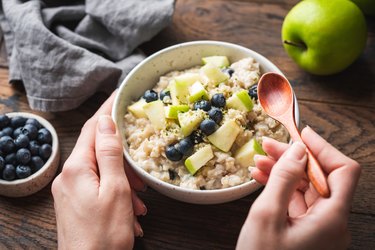
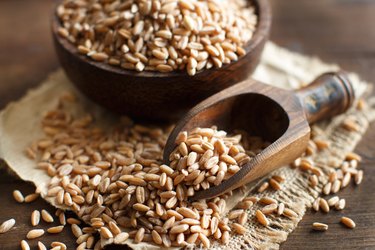
A cholesterol-reducing diet specifies a daily intake of fiber--about 25 to 30 g of fiber per day for adults. Fiber is naturally found in many fruits and vegetables. Healthy doses of fiber aid in scraping excess fat from the intestinal walls to be excreted. As a result, fiber aids in lowering your cholesterol.
Healthy Fats
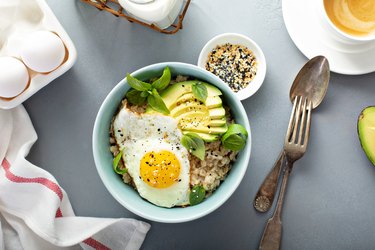
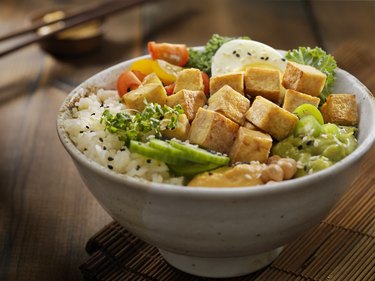
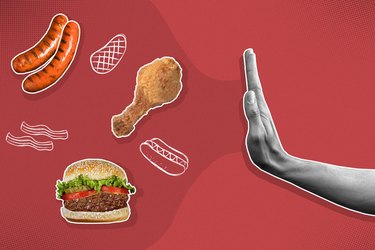
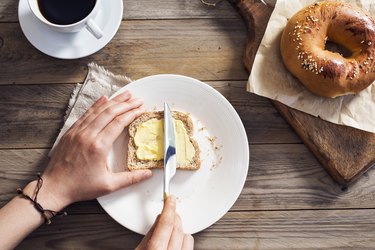
In order to lower your cholesterol, you should avoid unhealthy fats--saturated and trans fats--and instead eat healthy fats--monounsaturated and polyunsaturated. Unhealthy fats increase your LDL level while decreasing your HDL level, which in turn increases your risk for heart disease. Monounsaturated and polyunsaturated fats, on the other hand, reverse these risks and aid in lowering cholesterol. A daily intake of healthy fat, about 30 percent of your total day's worth of calories, will help you lower your cholesterol. Healthy fats are found in nuts, seeds, avocados, flax oil and olive oil.
Lean Protein
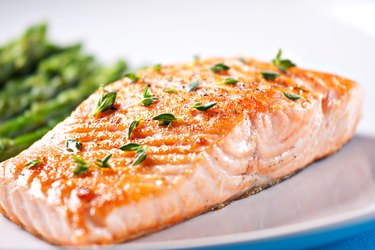
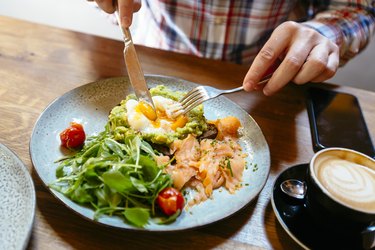
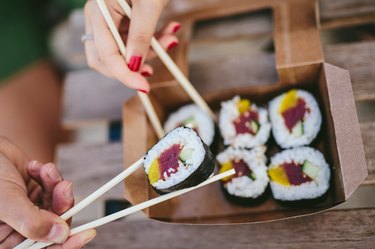
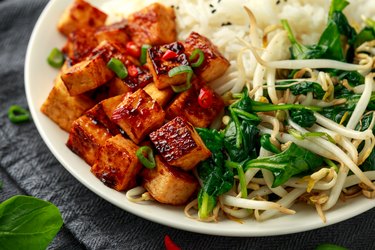
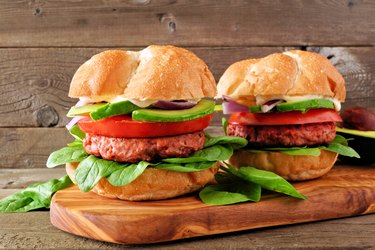
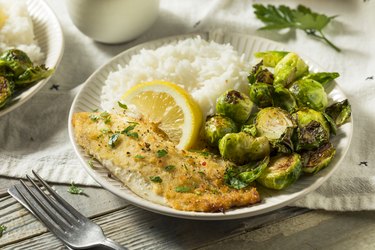
When trying to lower your cholesterol, or simply preventing high cholesterol, certain protein choices should be excluded from your diet or rarely eaten. At meal times choose skinless poultry, fish and other kinds of seafood over red meat, lamb, pork, duck and goose, which contain higher levels of saturated fat.
Exercise
No diet is complete without an exercise regimen, and that routine can be as much about lowering cholesterol as it is weight loss. In addition to a healthy diet, daily exercise can help lower LDL cholesterol and increase HDL cholesterol. By performing moderate intensity exercise 20 to 30 minutes a day daily, the American Council on Exercise states, in "12 to 16 weeks this volume of exercise can reduce total cholesterol by 10 to 20 percent." Aim to burn at least 250 calories through exercise each day. Moderate intensity activities include walking, jogging, swimming and rowing.


