Irritable bowel syndrome (IBS) symptoms like belly pain and bloating can put a crimp in your day-to-day activities. But what you eat — and more to the point, what you avoid eating — can make a significant difference in how you feel, which is why following an IBS diet could provide relief.
IBS is common — up to 15 percent of American adults have it, according to the American College of Gastroenterology (ACG). Per the Mayo Clinic, it can cause symptoms like:
- Abdominal pain or cramping
- Bloating
- Gas
- Diarrhea
- Constipation
- Changes in the appearance of your bowel movements
- Changes in the frequency of your bowel movements
- Weight loss
- Rectal bleeding
- Difficulty swallowing
- Unexplained vomiting
And these symptoms can take a toll on your everyday wellbeing. For instance, they can cause you to skip work, school or social activities, avoid eating and visit your doctor more often, all of which can contribute to a reduced quality of life, per the ACG.
Enter the low-FODMAP diet, which may help relieve your symptoms. Below, learn what it is, the foods you can eat with IBS on this eating plan and how to get started.
What Are FODMAPs?
FODMAP stands for "fermentable oligosaccharides, disaccharides, monosaccharides and polyols," which are carbohydrates (or sugars) that you may not be able to completely digest or absorb if you have IBS, according to Monash University.
Yes, that's a mouthful — but fortunately, you don't have to commit the phrase to memory. Just know that foods high in FODMAPs can trigger or exacerbate IBS symptoms.
That's because foods containing FODMAPs can pull water into your gut, which can cause gas, bloating and constipation, Kate Scarlata, RDN, LDN, author of The Low-FODMAP Diet Step by Step, tells LIVESTRONG.com. "They're fast food for gut bacteria," she says.
To counter these symptoms, researchers at Monash University proposed the low-FODMAP dietary approach in 2004 as a way to alleviate abdominal symptoms in people with IBS, per a February 2017 review in the Journal of Gastroenterology and Hepatology. Since then, it's become one of the main treatments for the condition.
This diet can provide relief for roughly half of people with IBS, per a June 2018 review in The American Journal of Gastroenterology. Another August 2017 review in Gut found that 50 to 80 percent of patients experienced symptom relief on the diet.
However, more research is needed to evaluate the diet's long-term effects and people's ability to stick with it over time.
Which Foods Contain FODMAPs?
You might be surprised by the wide variety of food considered high in FODMAPs: "FODMAPs are in many healthy foods," Scarlata says. "They're not innately bad, but they are common triggers for people with IBS."
Per Monash University, high-FODMAP foods to avoid or eat in smaller quantities include:
- Fruits: apples, cherries, watermelon, peaches and nectarines
- Vegetables: artichokes, asparagus, cauliflower, beans, snow peas, onion and garlic
- Grains: wheat, barley and rye
- Dairy: milk, yogurt, cottage cheese and ice cream
- Sweeteners: high-fructose corn syrup, agave syrup and honey
- Sugar-free food: gum and candy
Many people have no problem eating FODMAP-containing foods and should include them as part of a balanced diet. But if you have IBS and notice that food triggers your symptoms, there's a solid chance that the low-FODMAP diet could provide relief, Scarlata says.
But remember — this diet isn't one-size-fits-all, because different people have different sensitivities. That said, certain foods seem to be more poorly tolerated than others.
"Hands down, onions seem to be the most problematic," Scarlata says. "Garlic is probably next up on the list."
Apples and IBS
Are apples good for IBS? Short answer: Usually not, according to Monash University.
That's because apples contain multiple FODMAPs, like fructose and sorbitol, both of which can trigger symptoms. So while a nutritious snack like apples may seem good for an IBS diet plan, it may be best to skip this food (depending on your personal sensitivities).
How Does a Low-FODMAP Diet Work?
You shouldn't leap into a low-FODMAP diet just because you're having gut issues. Before starting the diet, it's important to see your gastroenterologist, general practitioner or family doctor for a diagnosis and to rule out other causes of your bowel symptoms.
If your doctor does indeed recommend a low-FODMAP diet, working with a registered dietitian who is well versed in the eating style can be a safe and effective way to treat your symptoms, says Yvette Perrier Quantz, RDN, LDN, a Louisiana-based dietitian with Ochsner Health System's Eat Fit program.
Here are the typical phases of a low-FODMAP irritable bowel syndrome diet:
1. Restriction
During this initial phase — which can last two to six weeks — you'll eliminate high-FODMAP foods from your diet and replace them with low-FODMAP alternatives, according to Monash University.
Does your typical morning meal consist of high-FODMAP foods, like wheat breakfast cereal and cow's milk? Make a low-FODMAP breakfast swap, like sourdough spelt toast with a glass of almond milk.
2. Reintroduction
The next phase involves adding high-FODMAP foods back into your diet, one subtype at a time, over a three-day period, per Monash University. The goal is to identify which FODMAPs you tolerate and which ones trigger symptoms.
"We're not saying, 'Eat an apple and let us know how it went,' because apples have multiple FODMAPs, and that wouldn't be very helpful," Scarlata says.
Instead, you might add back milk to a meal to test your sensitivity to lactose. Then you might revisit honey to see whether fructose is a problem for you. This phase of the diet takes about two months, according to Monash University.
3. Personalization
Once you've got a better sense of which groups of foods provoke symptoms and which you can tolerate, you can start to carefully expand your diet while keeping IBS symptoms under control, per Monash University.
Tip
Always talk to a doctor about your GI symptoms to rule out more serious conditions, like celiac disease, inflammatory bowel disease or colon cancer, Quantz says. Work with them to determine the best diet for you.
Potential Risks of a Low-FODMAP Diet
If you don't already have an IBS diagnosis, don't use the low-FODMAP diet as a diagnostic test, Quantz says. It should be viewed as nutritional therapy, not as a tool for detecting irritable bowel syndrome.
Here are the drawbacks of following a low-FODMAP diet that go to show why you should only try it with your doctor's recommendation:
1. It Can Lead to Nutritional Deficiencies
A low-FODMAP diet plan limits many nutritious foods to avoid triggering IBS symptoms. And while this can be helpful for people with the condition, it may be harmful for people who don't need to cut out FODMAPs, Quantz says.
"If followed incorrectly or for the wrong reasons, you could be set up for nutritional deficiencies," she says.
2. It Can Decrease Good Gut Bacteria
Similarly, following an IBS diet improperly or when you don't need it can decrease the amount of beneficial bacteria in your gut, which can lead to digestive symptoms of its own, Quantz says.
3. It Can Trigger Disordered Eating
Because a low-FODMAP diet limits the variety of foods you can eat, the diet can be a trigger for anyone with a history of an eating disorder or who is vulnerable to disordered eating. As a result, it's really not appropriate for people with eating disorders or anyone who has a lot of anxiety around food, Scarlata says.

There are plenty of foods to pick and countless delicious meals you can whip up on a low-FODMAP diet, as well as blogs to help you navigate the restaurant scene.
So what might a low-FODMAP diet look like? Here's a sample menu:
- Breakfast: Bowl of oatmeal topped with almond milk, strawberries and a tablespoon of sliced almonds
- Mid-morning snack: Brown rice crackers with peanut butter or cheddar cheese
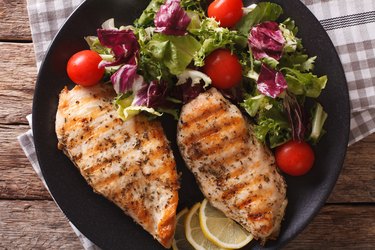
- Lunch: Mixed greens topped with grilled chicken or salmon, sliced grape tomatoes, cucumbers, one to two tablespoons of chopped walnuts and oil-and-vinegar dressing
- Mid-afternoon snack: Lactose-free yogurt with a handful of blueberries and a couple of teaspoons of chia seeds
- Dinner: London broil with roasted potatoes, roasted carrots and a mixed-green salad with an oil-and-vinegar dressing
Making a Low-FODMAP Diet Work for Your Lifestyle
Keep in mind that a low-FODMAP diet is not a lifelong diet. Once you know your triggers, you are encouraged to use that knowledge to tweak your eating habits.
Maybe you can tolerate a splash of milk in your coffee, for example. Or you're fine with a slice of wheat toast for breakfast. Perhaps your favorite takeout pizza has a bit of onion in the sauce.
Instead of depriving yourself and stressing out about it, Scarlata suggests making a plan. Have the food that causes difficulties on a Friday night when you're curled up on the couch and have access to your own bathroom, she says.
It's also important to know that your tolerance to FODMAPs can change over time due to changes in gut bacteria or improvements in gut motility, she says. That's why you might want to re-test your FODMAP tolerance at some point to see if you have more wiggle room in your diet.
"Just because you react to garlic today, maybe in six months it's not going to be such a problem for you," she says.
Other IBS Diets
One of the challenges of the low-FODMAP diet is sticking with it through the elimination phase. It takes time, effort and attention to learn how your body responds, Quantz says, which is why a strict low-FODMAP diet may not be for everyone.
If you're looking for an alternative eating plan that still eases your symptoms, here are other diets for IBS and whether or not they might help.
1. FODMAP Gentle
If a full-blown elimination diet isn't your thing, you might appreciate a modified version that Monash University researchers have dubbed "FODMAP gentle."
Instead of cutting out all high-FODMAP foods, this adaptation involves reducing a few foods with high-FODMAP concentrations (think: wheat, onions, apples, milk and legumes) and/or a few targeted FODMAPs, per a March 2019 review in The Journal of Gastroenterology and Hepatology.
"It's just a more flexible, less-restrictive way to apply the diet," Scarlata says, who adds that this iteration of the diet may be more appropriate for a child or an older person with IBS. It can also be a great option for an athlete who has IBS but needs a ton of calories, she says.
2. Gluten-Free Diet
There's much less evidence to support a gluten-free diet plan for IBS compared to a low-FODMAP eating style, per The American Journal of Gastroenterology research. The studies in the review found no statistically significant effect on IBS symptoms between those who followed a gluten-free diet and those who did not.
That said, wheat is high in FODMAPs, per Monash University. So if gluten-containing foods like whole-wheat bread or pasta provoke your symptoms, wheat may be a trigger food that's best left out of your diet.
3. Low-Fat Diet
Eating a high-fat diet can contribute to IBS symptoms for some people, according to a June 2017 review in the World Journal of Gastroenterology.
And while there's limited research to suggest that cutting fats is clearly linked to decreased IBS issues, eliminating fatty foods that trigger your symptoms may help you feel better, per the review.
Here are some fatty foods to limit or leave out of your IBS diet:
- Fried foods
- Fast food
- Baked goods
- Processed meats like bacon and sausage
4. High-Fiber Diet
Fiber is a nutrient that helps normalize bowel movements and prevent or relieve constipation, according to the Mayo Clinic.
And it's those stool-softening effects that make fibrous foods a potentially helpful addition to an IBS-C diet plan (that's a diet for people with IBS and constipation, rather than diarrhea), per the Mayo Clinic.
In particular, fibrous foods that don't ferment in your gut as easily (like psyllium) are best, as they won't aggravate IBS symptoms like gas as much as fibers that ferment more easily (like bran), according to the World Journal of Gastroenterology.
Fiber-rich foods include:
- Fruits and vegetables
- Legumes like lentils, beans and peas
- Whole grains like oatmeal
- Nuts and seeds
- Tofu
5. Low-Fiber Diet
However, eating lots of fibrous foods isn't always the best when it comes to quelling IBS: Sometimes fiber can add to symptoms like belly pain and bloating, per the World Journal of Gastroenterology research, so talk to your doctor or dietitian about how much and what types of fiber to eat before switching up your diet.
This may be especially true for foods high in insoluble fiber like bran, according to the World Journal of Gastroenterology. This type of fiber attracts water to your stool to make it softer, which may not be the best for you if you're prone to IBS with diarrhea.
As a result, it may be better to stick to foods that contain soluble fibers (which dissolve in water) like:
- Beans
- Nuts
- Oatmeal
- Low-FODMAP vegetables like sweet potato and turnips
- Certain fruits like avocados and oranges
Additional reporting by Karen Pallarito
Is this an emergency? If you are experiencing serious medical symptoms, please see the National Library of Medicine’s list of signs you need emergency medical attention or call 911.