













































Foods to Avoid for Bone Degeneration

Foods to Avoid for Bone Degeneration
Photo Credit food image by brijesh gurnani from Fotolia.com

Many foods that contribute to bone degeneration interfere with the body's ability to absorb calcium, the substance essential for the development and strengthening of bones. The foods that affect bone health can lead to bone disease later on in life. Osteoporosis affects many people as they age, especially women after menopause. The disease causes the bones to weaken, break easily and heal slowly.

Salty Foods

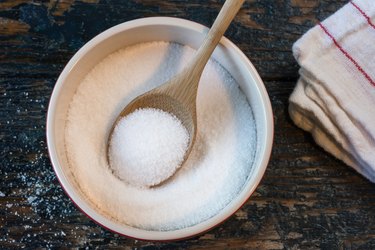
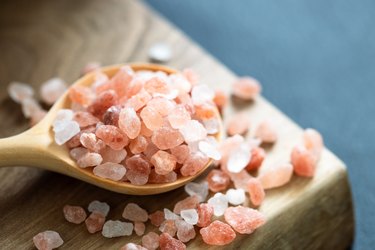
Salty foods cause the body to lose a lot of calcium, contributing to bone loss, according to the National Osteoporosis Foundation. Many processed foods and canned foods contain a large amount of salt. Avoid products with labels that say they contain 20 percent or more sodium for the daily value.

Oxalates

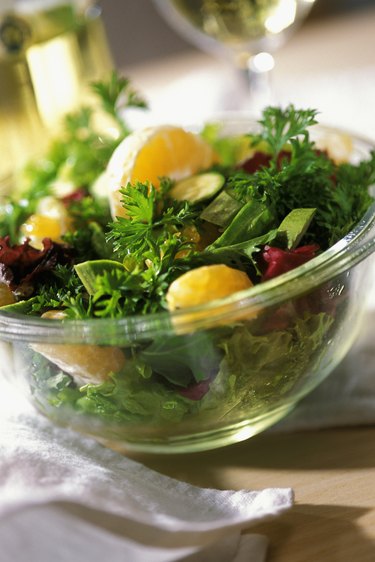
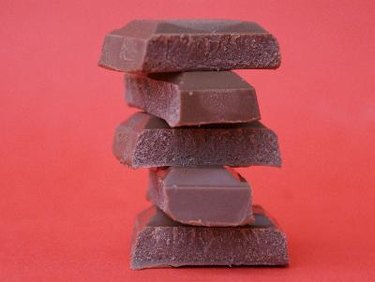
Oxalates, or oxalic acid, are found in plant foods, particularly spinach, rhubarb, beet greens and certain beans. Foods high in oxalates make it difficult for the body to absorb calcium. Although these foods have plenty of other nutrients, they do not provide adequate amounts of calcium. Chocolate also contains oxalates and may inhibit calcium absorption. Researchers found that elderly women who consumed more servings of chocolate had lower bone density than women who had fewer servings of chocolate, according to MayoClinic.com. However, the cause of bone loss could have come from the sugar content in chocolate that increased calcium excretion. People who eat chocolate in moderation can get adequate doses of calcium through foods high in vitamin D.

Alcohol and Caffeine

Many alcoholics suffer from bone loss. Heavy drinkers also do not consume enough calcium. Excessive drinking appears to lower the supply of calcium in the body. Moderate drinking, about two drinks a day, does not seem to cause bone degeneration. Having three or more cups of coffee or tea may harm bones. Caffeine may decrease calcium absorption in the body. People who enjoy coffee or tea should add calcium from other sources, such as dairy products. Caffeine in cola beverages may result in bone loss. Phosphorus in many soft drinks may also damage bone health.

Fast Foods

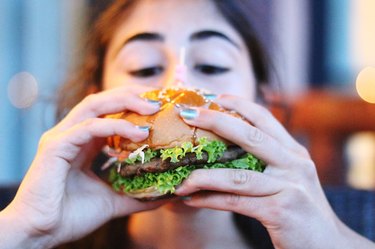
The high amounts of fat, sodium and sugar in fast foods contribute to bone loss, according to WomenFitness.net. Cola drinks that often go along with fast-food meals may cause further problems. Teenage girls are particularly at risk for developing osteoporosis later on by consuming too many soft drinks. The body builds 40 to 60 percent of its bone mass during the teen years.

References

Article reviewed by Melanie Zoltan Last updated on: Jun 14, 2011

Must see: Photo Galleries

Member Comments