























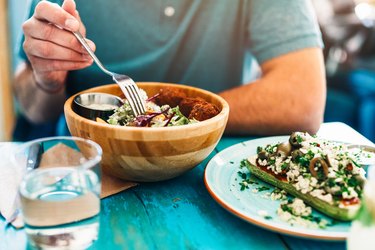









About 6 million people in the United States report having experienced gout at some time in their lives, according to the National Arthritis Data Workgroup. Gout is a form of acute arthritis that often strikes suddenly with severe pain and tenderness in the joint of the big toe. Along with medications to treat gout, diet plays an important role in preventing attacks.
High-Purine Meats and Seafood
Purines are found in the cells of the body and are important to the chemical structure of genes. They are also found in a variety of foods. When cells die, purine is broken down by the body into uric acid, which is then excreted in the urine. However, if purine or uric acid levels are too high, the excess uric acid forms crystals and accumulates in the joints leading to gout.
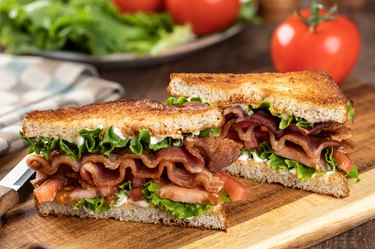
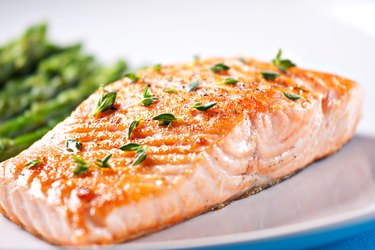
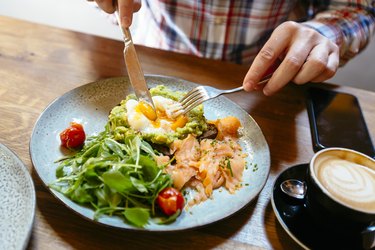
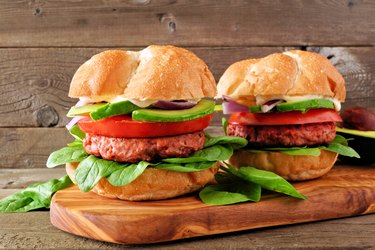
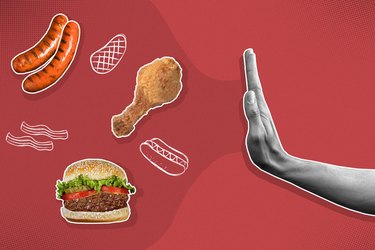
Certain meats and seafood have high purine concentrations and should be limited in individuals with gout. These include beef, pork and lamb as well as organ meats such as liverwurst and kidney, according to Gout.com. Seafood with high concentrations of purines includes sardines, anchovies, scallops and mussels, trout and herring.
Alcohol
Drinking alcohol may double the risk of developing gout in men, particularly when drinking beer, according to the Harvard Medical School Family Health Guide. A 2004 study by Hyon K. Choi and colleagues and published in "The Lancet" showed that men drinking beer increased their risk of gout by 50 percent for every daily serving while those drinking hard liquor increased the risk by 15 percent. However, wine consumption showed no increase in risk. Researchers believe it is the high purine content of beer and liquor that contributes to gout.
Other Purine-Rich Foods
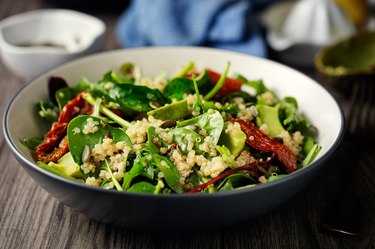
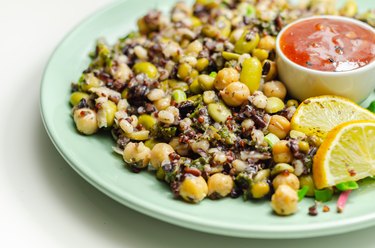
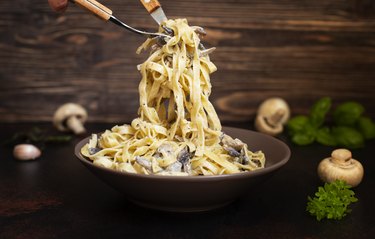
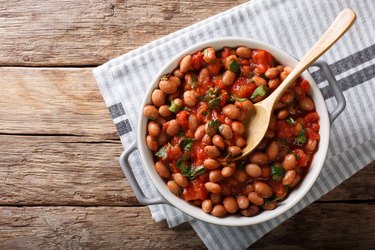
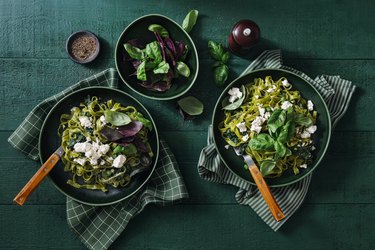
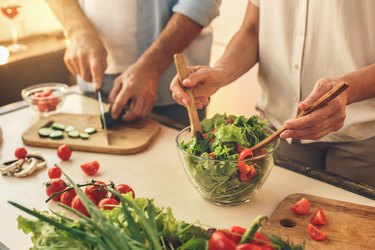
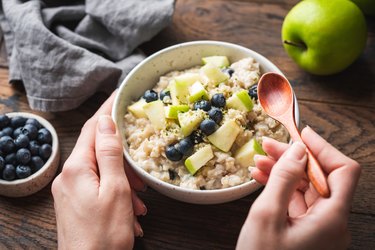
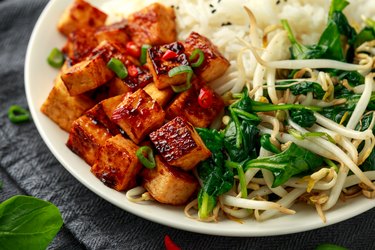
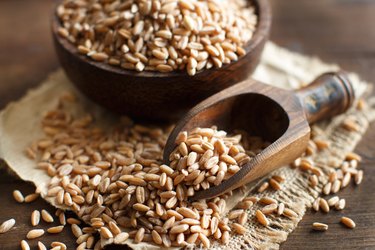
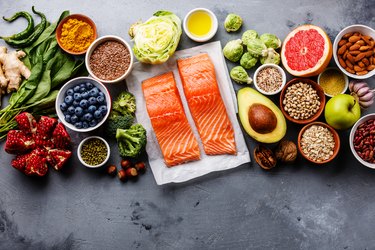
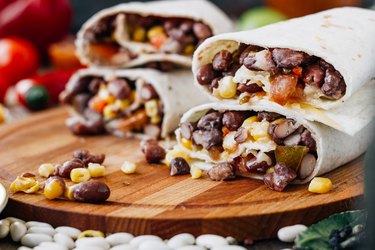
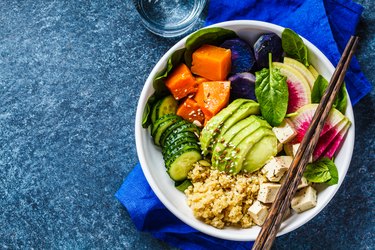
A variety of other foods contain high levels of purine. Several vegetables should be avoided or limited in individuals with gout such as spinach, asparagus, cauliflower and mushrooms to prevent high levels of uric acid. Other foods rich in purines include lentils, oatmeal, sweetbreads, peas and dried beans, according to Gout.com. It is important to speak with a physician or dietitian to determine the best diet to remain healthy and prevent the development of gout.


Member Comments