































Alcohol Neuropathy & Stroke Symptoms

Alcohol Neuropathy & Stroke Symptoms
Photo Credit alcohol image by Andrey Rakhmatullin from Fotolia.com

Excessive consumption of alcohol can, over time, lead to a condition called alcoholic neuropathy. MedlinePlus points out that alcoholic neuropathy may result from either alcohol directly affecting the nerves or from nutritional deficits that result from alcoholism. A stroke disrupts the blood supply to the brain, causing a lack of oxygen that may damage brain cells. Two type of strokes may occur: an ischemic stroke, which results from a blood clot, or a hemorrhagic stroke, which results from a burst blood vessel.

Risk Factors

Alcohol consumption may increase the risk of developing either alcoholic neuropathy or a stroke. For example, MedlinePlus notes that people who use alcohol have an increased risk of bleeding in the brain, which increases the risk of having a hemorrhagic stroke. Alcoholic neuropathy, which may develop from alcoholism that lasts for 10 years or more, or from heavy alcohol use, increases the risk for the condition. Other risk factors for a stroke include high blood pressure, bleeding disorders, heart disease, cocaine use, age, head injuries, high cholesterol, family history of a stroke and diabetes.

Symptoms

A stroke and alcoholic neuropathy can cause serious symptoms. Both conditions may cause numbness, muscle weakness and speech impairment. MayoClinic.com explains that stroke patients may have a sudden headache, which may occur along with dizziness, vomiting or altered consciousness such as sleepiness or unconsciousness. This headache may wake patients up while they are sleeping and becomes worse when they change positions. A stroke may also cause memory loss, changes in mood or personality, bladder and bowel problems, language problems, and altered hearing, vision and taste. The University of Chicago notes that with alcoholic neuropathy, patients may experience other altered sensations, such as pain and tingling. Muscle spasms, constipation and urinary problems may also occur. Other symptoms of alcoholic neuropathy include heat intolerance, diarrhea, nausea and impotence.

Diagnosis

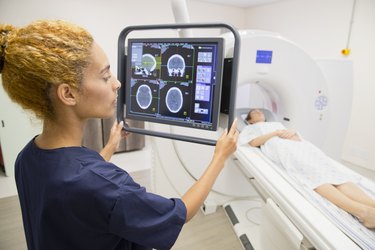
A doctor will use the symptoms of alcoholic neuropathy and a stroke to diagnose the condition. For example, with alcoholic neuropathy, a doctor will look for weakness, loss of reflexes and numbness during a neurological exam, according to MedlinePlus. A doctor may perform tests, such as nerve biopsy or thyroid functioning test, to rule out other conditions. When diagnosing a stroke, a doctor will perform physical and neurological examinations, such as looking for problems in language, sensation or movement. Other diagnostic examinations that a doctor may perform include brain scans, an echocardiogram or an angiogram of the head.

Treatment

Immediate treatment for a stroke focuses on fixing the blood supply problem. For example, patients suffering from an ischemic stroke may take clot-busting drugs or blood thinners. Patients suffering from a hemorrhagic stroke may require surgery. The long-term treatments for a stroke focus on the symptoms. MedlinePlus points out that if a stroke affects language skills, patients may benefit from a speech therapist who will help patients develop new ways of communication. Physical and occupational therapy may help with movement problems, and anticholinergic drugs may help with bladder problems. With alcoholic neuropathy, several medications may help manage the symptoms. For example, patients experiencing pain may take an over-the-counter medication such as ibuprofen, or a prescription medication such as gabapentin, a type of anticonvulsant. MedlinePlus notes that including extra salt in the diet, wearing elastic stockings or sleeping with an elevated head may help with the dizziness that occurs when standing up. Other treatment options for the symptoms of alcoholic neuropathy include physical therapy for muscle weakness, using a catheter for bladder problems, and cessation of alcohol consumption.

Prognosis

MedlinePlus explains that with alcoholic neuropathy, the nerve damage is permanent and may worsen if a patient continues to consume alcohol. While alcoholic neuropathy does not endanger a patient's life, it may lead to chronic problems and disability. With a stroke, a patient's prognosis depends upon how quickly he received treatment and the extent of the neurological damage. MedlinePlus points out that more than 50 percent of stroke patients can function without a caregiver at home.

References

Article reviewed by Roman Tsivkin Last updated on: Oct 4, 2010

Must see: Photo Galleries