




























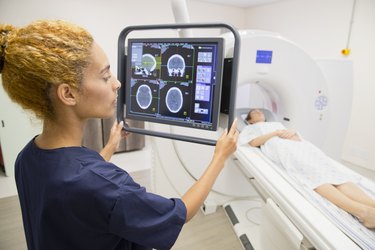

A stroke is a disruption of the flow of blood to the brain, which deprives brain cells of the oxygen they need. Brain cells begin to die within minutes of a lack of oxygen. There are two main types of stroke. An ischemic stroke is more common, according to the National Library of Medicine, and is characterized by a blood clot that blocks a blood vessel. A hemorrhagic stroke occurs when a blood vessel in the brain breaks. There are also mini-strokes, which are brief interruptions of the blood flow. These mini-strokes are called transient ischemic attacks.
What are the Symptoms of a Stroke?
The symptoms of a stroke include a sudden weakness or numbness of a leg, an arm or the face. This is especially true when it occurs on one side of the body. There can be sudden trouble with speaking or understanding speech and a rapid onset of confusion. Another symptom is abrupt trouble with vision in one or both eyes. Walking can suddenly become difficult due to dizziness and loss of balance or coordination. The sudden onset of a severe headache with no known cause is also a symptom.
When Should I Seek Medical Attention?
According to the Mayo Clinic, if any symptoms of a stroke or a transient ischemic attack appear, medical attention should be sought immediately. The symptoms of a transient ischemic attack are the same as for a stroke, but they do not last as long. They can last for a few minutes or for as long as 24 hours. Even though the symptoms go away, a transient ischemic attack can be an indication of an impending stroke.
How Can I Reduce My Risk?
According to the Hamilton-Wentworth Stroke Recovery Association, there are ways to reduce the risk of stroke. These include controlling body weight, limiting the use of alcohol and lowering cholesterol. Not smoking reduces the risk of a stroke, as does controlling blood pressure. Being tested for the existence of certain conditions such as heart disease, diabetes and coronary disease can allow those with the condition to be treated, which reduces the risk of stroke.


