










Nutrition After Gallbladder Removal

Nutrition After Gallbladder Removal
Photo Credit Fat bacon image by Marek Kosmal from Fotolia.com

Your gallbladder is an important part of your digestive system, but sometimes things can go wrong and lead to conditions such as gallstones. In many cases, you'll need to have your gallbladder removed and temporarily change your diet. In the long term, good nutrition and supplements can prevent any side effects or complications and help you live a normal life.

Identification

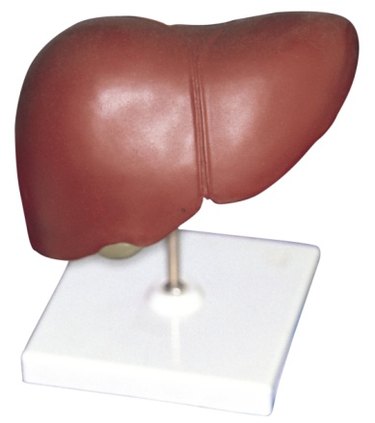
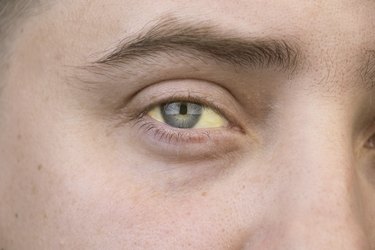
The gallbladder is a small pear-shaped organ near your liver and pancreas that collects a substance called bile your body uses to digest fats. Common diseases of the gallbladder include inflammation, stones and duct obstruction, with symptoms such as bloating, nausea, vomiting, intolerance to fatty foods and pain in the upper right abdomen that may radiate to your back.

Significance

Surgical removal of the gallbladder, called cholecystectomy, is usually performed via a small laparoscopic incision. It's one of the most common surgeries in the U.S., with more than half a million procedures each year, according to Dr. David L. Katz, MD, writing for Oprah.com. Although it's a relatively uncomplicated surgery, after your gallbladder is removed, you lose the ability to store bile, which instead flows through bile ducts directly into the small intestine. This may make it more difficult for you to digest fatty foods.

Post-Surgery Nutrition

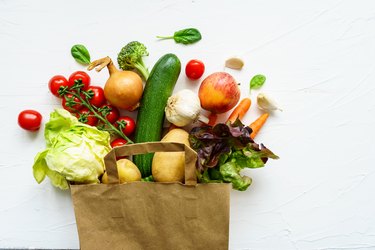
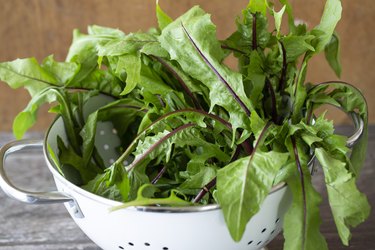
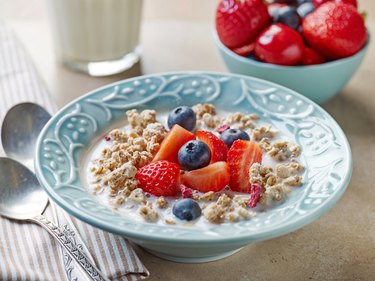
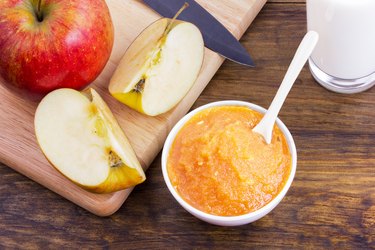
You'll be given intravenous fluids during the procedure and possibly for a short time after surgery, although most patients are able to go home the first or second day. You should be able to drink small amounts of liquid at first, increasing to eight to 10 glasses per day. If you don't have any nausea, you may also be allowed to add in regular foods almost right away. If you're on a pain medication that causes constipation, you can add high-fiber foods such as beans, whole-grain breads and cereals, peas, dried fruit, berries, corn, broccoli, baked potato with skin, plums, pears, apples, greens and nuts.

Long-Term Nutrition

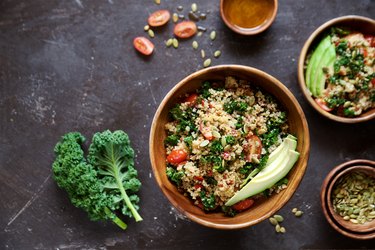
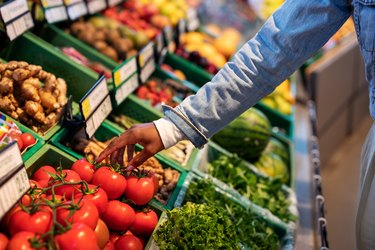
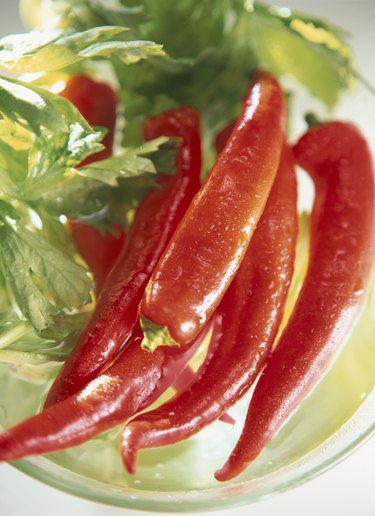
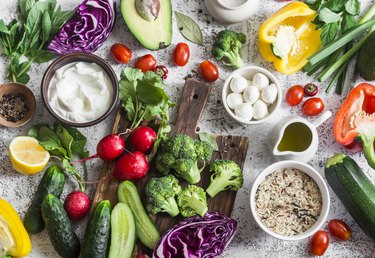
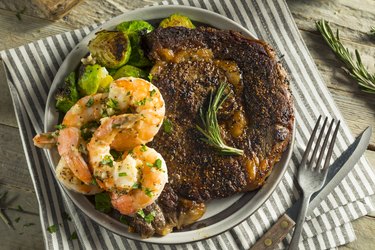
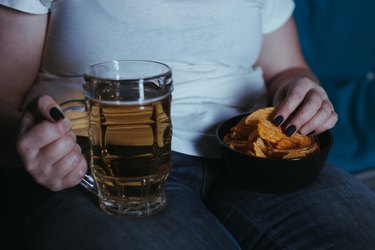
Every patient's situation is different; you may find you can eat normally, although you may also find you can't tolerate high-fat or spicy foods. For optimal nutrition and health, raw vegetables, fruits and juices can help support your digestive system and prevent health problems. Fish oil can boost your immune system to avoid infections, and supplementing with the amino acids taurine and glutamine and the mineral selenium can improve bile quality and reduce inflammation in your bile ducts. If you find you are unable to process higher-fat foods, you should avoid deep-fried foods, margarine, cream, ice cream, highly processed foods and large amounts of sugar and alcohol. Although spicy foods are ordinarily good for health, cholecystectomy patients may need to avoid them or reduce their quantity.

Expert Insight

Dr. Katz recommends eating smaller meals at regular intervals throughout the day and reducing your dietary fat. If that doesn't alleviate any symptoms or discomfort you might be having, gradually increase your intake of high-fiber foods to prevent bloating. He also suggests a daily probiotic supplement with friendly bacteria that can help break down food and lead to more efficient digestion.

Warning

For the first few weeks after surgery, you may experience indigestion, bloating and flatulence. Approximately 20 out of 100 patients will also experience diarrhea that may even persist for several years. Other complications are rare, occurring in only five percent of cases, according to the UK's National Health Service, and include bleeding, infections, bile leakage and blood clots.

References

Article reviewed by Julie Mendenhall Last updated on: Mar 15, 2011

Must see: Photo Galleries