
































Healthy Family Cooking

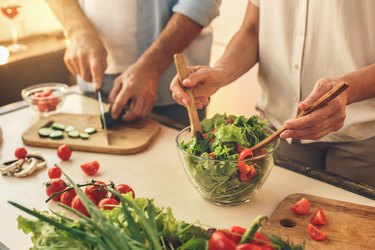
Cooking healthy can be a challenge for many families. Raising children, employment obligations, household tasks and other pressures can limit the time available to prepare balanced, nutritious meals. As a result, many families depend heavily on take-out and meals from fast food restaurants. However, strategies exist that can help families enjoy nutritious, home-cooked meals that appeal to both adults and children alike.

Step 1

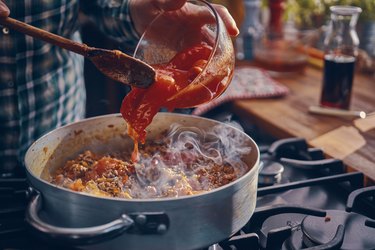
Prepare soups in a slow cooker by placing the ingredients in the slow cooker the morning before you leave for work or school. Use ingredients such as fresh vegetables, whole-grain pasta, low-sodium vegetable broth and lean meats to create soups that the family will enjoy. When your family returns home, they will have a hot, healthy meal waiting.

Step 2

Make vegetable broth for soups, stews and other dishes using leftover fresh vegetable cuttings. Store the cuttings in the freezer in an airtight bag, and simmer them in water for two hours when needed. This allows you to avoid sodium and other chemicals found in canned broth.

Step 3

Make healthy dipping oil using extra-virgin olive oil, herbs and spices. Blend the oil and spices and refrigerate for 30 minutes before serving. Olive oil dips are heart-healthy alternatives to commercially-prepared dips, butter and other items commonly served with breads.

Step 4

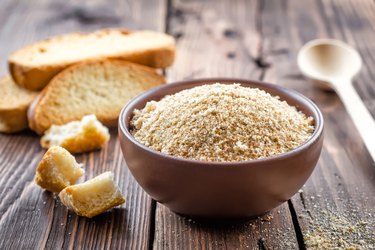
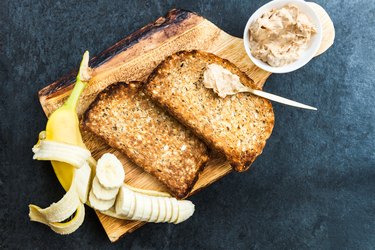
Serve whole-grain breads instead of white breads made with refined flour. This simple substitution reduces your family's intake of simple carbohydrates, which can quickly raise blood sugar levels and contribute to weight gain.

Step 5

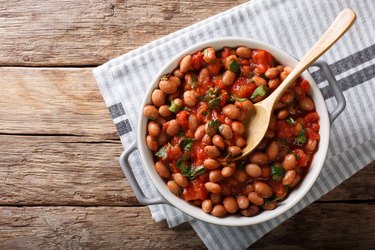
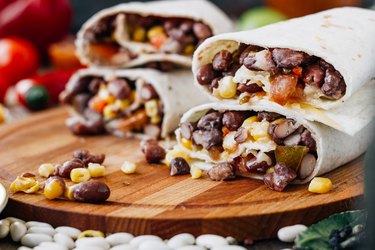
Serve lean meats and beans instead of red meats. Unlike red meats, which are loaded with saturated fats, lean meats such as turkey and chicken are heart-healthy options. Choose organic, fresh meats instead of lunch meats and other processed meat products.

Step 6

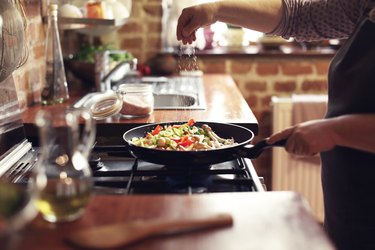
Add herbs and spices such as basil, red pepper, cinnamon, thyme, rosemary and garlic to stir fry dishes, casseroles and other entrees. This helps reduce the need for table salt, which can add excessive sodium to your family's diet.

Tips and Warnings

  • Prepare casseroles and other dishes and refrigerate them, uncooked, the night before you plan to serve them. Advance preparation saves time the next day, reducing the temptation to order take-out food or opt for fast food meals.

Things You'll Need

  • Slow cooker
  • Fresh vegetables
  • Whole grain pasta
  • Lean meats
  • Freezer bags
  • Extra-virgin olive oil
  • Herbs
  • Spices
  • Whole-grain breads

References

  • "Make it Fast, Cook it Slow"; Stephanie O'Dea; 2009
  • "More Healthy Homestyle Cooking"; Evelyn Tribole; 2002
  • "Rose Elliot's Vegetarian Cookery"; Rose Elliot; 1996

Article reviewed by Carolyn Williams Last updated on: Oct 7, 2010

Must see: Photo Galleries