


































How to Clear Blurry Contacts

How to Clear Blurry Contacts
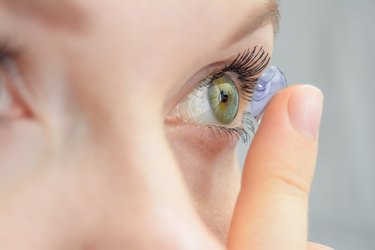
Photo Credit eyes image by Mat Hayward from Fotolia.com

Contact lenses are supposed to improve your vision -- not make it worse. If your contact lenses seem smudged and dirty, you may be mishandling your lenses, wearing them too many hours each day, not cleansing them properly, or, in the case of disposable lenses, not disposing of them as often as you should. While the specifics of cleaning contact lenses vary with the type of lens used, there are some general guidelines that you can observe to keep your contacts clean and clear of debris.

Step 1

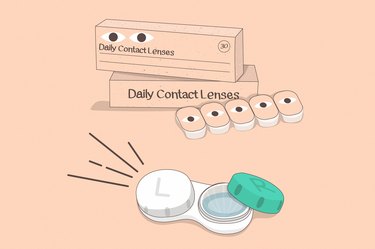
Look at your contact lens box to determine what type of lenses you have, and then calculate how long you have been using them. Protein can build up on the lens over time and cause it to appear smudged. If you have disposable lenses, you can purchase an enzyme tablet to remove protein deposits from the surface of your lens. If this does not clear the lens, it may be time to throw out the lenses and use a fresh pair. If you have hard, or gas permeable lenses, ask your eye doctor to polish your lenses. If protein deposits become a problem, you may want to consider using disposable lenses or switching to a brand made specifically to resist protein buildup, notes Perret Opticians in Geneva, Switzerland.

Step 2

Wash and dry your hands thoroughly before handling your contact lenses as microorganisms in tap water can cause bacteria to grow on lenses.

Step 3

Remove the lens from the multipurpose or saline solution in the lens case and place it in the palm of your hand. Rinse it off with multipurpose or saline solution to clear any loose debris.

Step 4

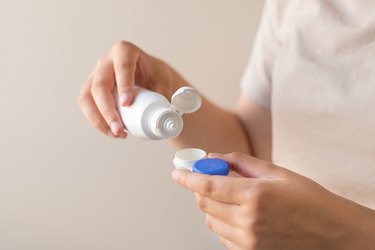
Squirt some more multipurpose or saline solution on the lens and rub it lightly. Rinse the lens again with the solution. According to the Cleveland Clinic, if you purchase a "no rub" solution, you should skip the rubbing and just rinse the contacts with solution.

Step 5

Insert your contacts and wear as prescribed. Wearing contact lenses for longer than the recommended number of hours each day can cause the cornea to become deprived of oxygen. When this happens, the cornea responds by growing additional blood vessels. In serious cases, you may need to stop wearing contact lenses for awhile or you may require surgery to correct the problem.

Step 6

Empty your lens case, pouring the remainder of the solution down the drain. It is important to use fresh solution each day.

Step 7

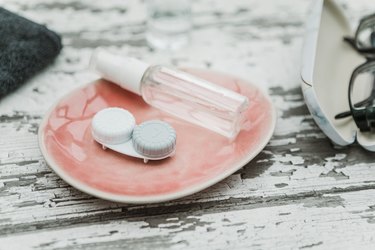
Remove contacts at the end of the day using clean, dry fingers and place them in a clean case with fresh multipurpose or disinfectant solution. Individual soaking times vary according to the type of solution used, so follow the manufacturer's directions.

Step 8

Clean your contacts on a daily basis to keep them clean and free of debris. In addition to causing your lenses to appear dirty, improper cleaning can lead to infection.

Step 9

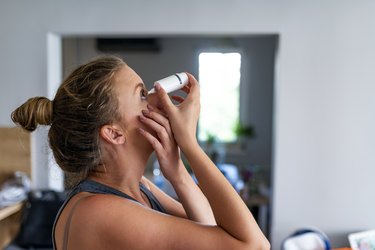
Use rewetting drops if your contacts are still blurry. According to Dr. Russ Quiring, dry eyes can cause vision to blur while wearing contact lenses. Placing a few drops of contact rewetting solution in the eyes, as well as drinking plenty of water each day can help keep the eyes hydrated and the contact lenses clear.

Step 10

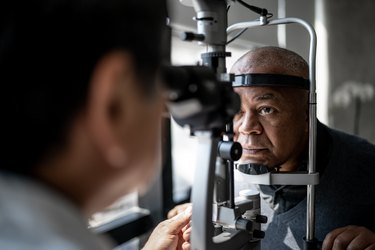
See an eye doctor if cleaning your contacts or using a rewetting solution does not solve your problem. A contact that slides around or is not properly centered on the eye can also cause blurring.

Tips and Warnings

  • Place your lens case in the dishwasher once a week or so to give it a thorough cleaning.
  • Never use regular eye drops in place of saline solution or contact rewetting drops. Regular eye drops, designed to reduce redness and irritation, can ruin contact lenses. If you use makeup, stick with brands that are water-soluble and avoid oil-based makeup. Oil-based makeup can coat the lens, making it appear dirty. To avoid excess debris getting into your eyes and contaminating your lenses, it's a good idea to keep eye makeup to a minimum.

Things You'll Need

  • Saline solution or multipurpose contact solution
  • Contact lens case
  • Enzyme tablets
  • Disinfectant or multipurpose contact solution
  • Rewetting drops

References

Article reviewed by Mia Paul Last updated on: Mar 31, 2011

Must see: Photo Galleries