





























































Skin Tone & Environment

Skin Tone & Environment
Photo Credit skin care image by anna karwowska from Fotolia.com

Your skin tone is affected by several factors including your genetics, the environment and the melanin in your skin. Both indoor and outdoor environments influence your skin tone. Melanin is a pigment which gives your skin its color; it also has protective qualities which can change the role the environment may have on your skin tone. To protect your skin, it is essential to be aware of what impact certain conditions may have.

Sun Exposure

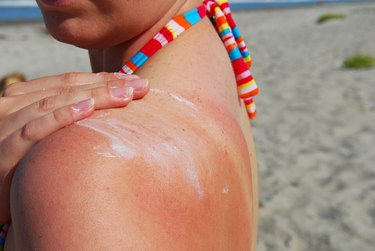
Sun exposure has several detrimental effects on skin tone, not the least of which is an increased risk of skin cancer. Exposure can affect skin tone by altering pigmentation. As a child, you may develop freckles on exposed skin. As an adult, sun exposed skin may develop age spots or liver spots, giving your skin an uneven appearance. Most fair-skinned individuals will have age spots by age 70.

Significance

The American Cancer Society estimates that over 1 million cases of non-melanoma skin cancer are diagnosed annually in the United States, making it one of the most common forms of cancer. These cases are believed to be sun-related, showing a direct correlation between skin health and the environment. The U.S. Department of Health and Human Services identified sun exposure as a carcinogen.

Pollution

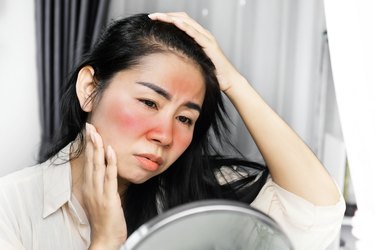
Pollutants can cause immediate irritation through exposure, affecting the color and tone of your skin. This effect may be more likely if you live in an area where you are exposed to pollutants such as traffic exhaust, explains a 2010 study in the "Journal of Investigative Dermatology." The study's findings concluded that individuals exposed to air pollution had 20 percent more facial age spots. Particulate pollution from exposure to smog, smoke or other irritants was believed to be the likely cause. Skin damage can be accelerated when individuals are exposed to both pollution and UV radiation, warns a 2009 study in the journal "Toxicology and Industrial Health."

Aging

Aging can also affect your skin tone. These effects can be worsened by elements within your environment. For example, exposure to tobacco smoke can cause premature aging. The exposure triggers molecular changes which occur in the skin, causing wrinkles and other age-related changes in skin tone.

Prevention/Solution

Some causes of skin tone changes are preventable. You can limit your sun exposure to reduce your risk of skin damage and cancer. Limit exposure even during the winter months, due to reflected sunlight. In addition, exposure to other environmental elements such as wind and cold can irritate your skin and possibly lead to other types of damage such as frostbite. Using moisturizers can protect skin and help you avoid unattractive changes in skin tone.

References

Article reviewed by Julie Mendenhall Last updated on: Jun 14, 2011

Must see: Photo Galleries

Member Comments