























































Gout occurs when urate crystals accumulate within the human body. These accumulations tend to develop around the joint areas causing pain and inflammation. Urate crystals result from high levels of uric acid in the bloodstream. Uric acid is naturally produced by the body to break down purines and metabolize them. Purines are substances found in foods and the human body. Individuals with gout must adhere to a strict diet that will not worsen or aggravate the condition.
Vegetables and Fruits
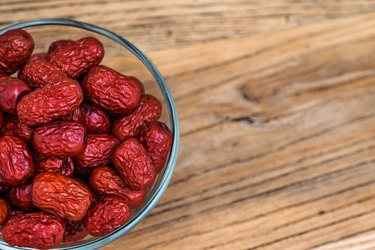
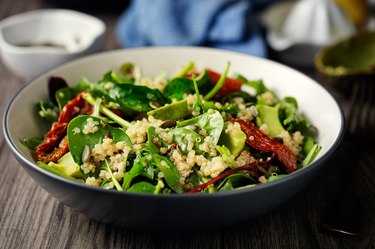
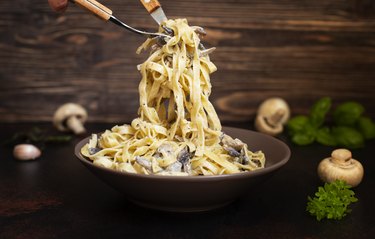
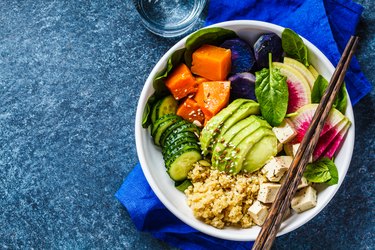
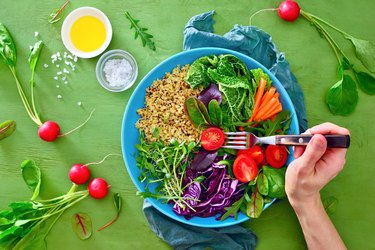
Certain vegetables such as cauliflower, mushrooms and asparagus cause the body to produce more uric acid. MayoClinic.com recommends gout patients eat more alkaline vegetables such as celery, carrots and lettuce. As with vegetables, certain fruits are likely to increase acidity levels in the body which can lead to gout flareups. According to MedlinePlus, watermelon, cantaloupe, lemons, apples, apricots, grapes and peaches are effective at decreasing uric acid production within the body.
Complex Carbohydrates
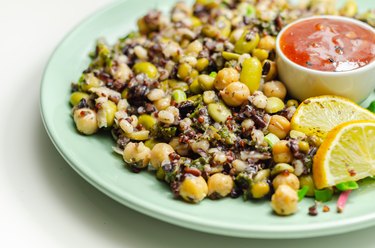
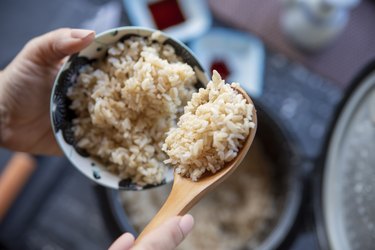
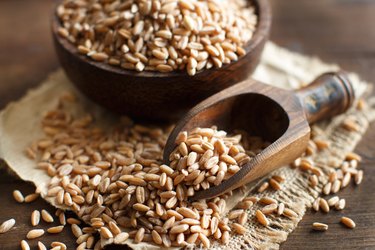
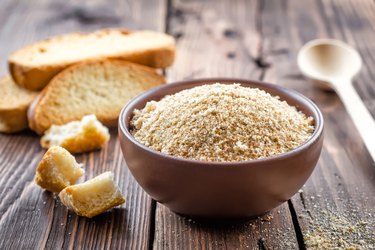
Increasing the consumption of whole grains will reduce the amount of purines and uric acid in the body, according to Gout.com. Complex carbohydrates such as whole grains provides fuel to the body and keeps the body fuller for longer. These carbohydrates also contain vitamins, minerals and other nutrients that are essential for overall body health. Examples of complex carbohydrates include wheat crackers, rye products, barley, cornmeal, pasta and other whole grain products as long as they are unrefined.
Dairy Products
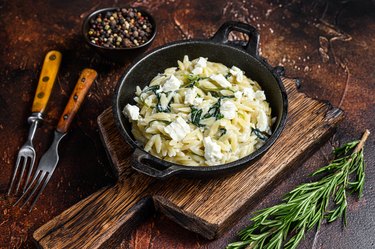
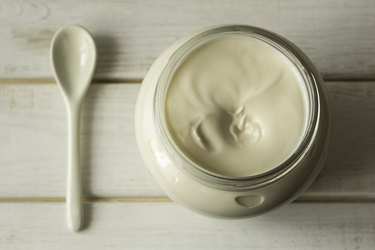
Certain dairy products such as whole milk, butter and ice cream contain large amounts of purines. According to MayoClinic.com, drinking low-fat or skim milk and eating foods that contain these products should decrease gout attacks or reduce the risk of developing it. This includes yogurt, cheeses, eggs, sour cream and other dairy products made with low-fat milk, no fat or soy alternatives.
Meats
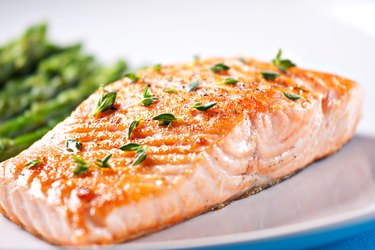
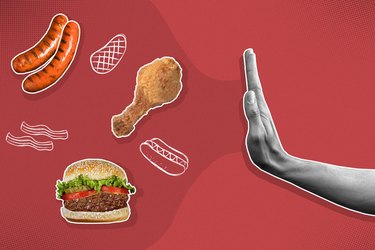
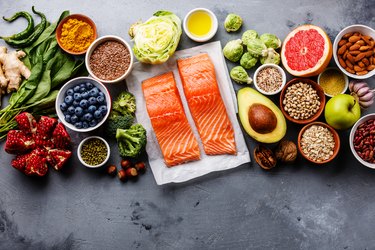
Red meat and fish such as sardines, oysters, mussels, scallops, mackerel and organ meats should be avoided as they can contribute to gout flareups. Fresh and saltwater fish, shellfish, poultry, meat, eel and oily fish such as wild salmon, which can reduce inflammation symptoms, should be eaten in moderation. MayoClinic.com recommends that gout patients limit their meat intake to 6 oz. or less daily.
References
- MayoClinic.com: Lifestyle and home remedies
- MedlinePlus: Gout
- Diet.com: Gout Diet
- National Institute of Arthritis and Musculoskeletal and Skin Diseases: Gout
- "The New England Journal of Medicine"; Purine-Rich Food, Dairy and Protein Intake, and the Risk of Gout in Men; H.K. Choi et al.; Mar. 11, 2004
- MayoClinic: Gout Diet


Member Comments