





























What is the Dr. Weil Diet for Irritable Bowel Syndrome?

What is the Dr. Weil Diet for Irritable Bowel Syndrome?
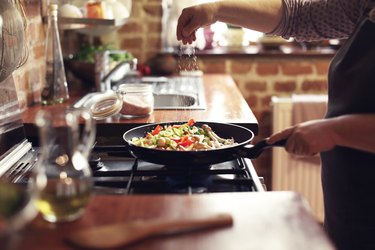
Photo Credit cooking vegetables image by Daria Miroshnikova from Fotolia.com

In his book, "Natural Health, Natural Medicine," Dr. Andrew Weil refers to Irritable Bowel Syndrome, or IBS, as a common lifestyle disorder that can involve the entire digestive tract. IBS should not be confused with inflammatory bowel disease, or IBD, that includes Crohn's disease and ulcerative colitis. Dr. Weil explains that symptoms of IBS can vary from person to person and can change over time. Symptoms may include any combination of constipation, diarrhea, gas, bloating, abdominal pain or discomfort, fatigue and headaches. Since these symptoms can occur with many different disorders, other possible causes may need to be ruled out before IBS can be diagnosed.

Causes

According to Dr. Weil, there is no known cause of IBS but it may stem from a glitch in the nervous system's regulation of the functioning of the lower digestive tract. In some patients, there may be a problem with muscle movement in the digestive tract causing contractions may be stronger than normal and leading to bloating, gas and diarrhea. Or, the opposite may occur with food passage becoming slower than normal and stools becoming hard and dry. Additionally, there may be certain foods or emotional factors such as anxiety, stress, fear, depression or other irritants that trigger and worsen symptoms.

Treatment

Treatment for IBS tends to be very individualized. If a particular food appears to be a trigger, it should be eliminated from the diet. Also, if certain situations are identified that cause stress and flare-ups, patients are advised to avoid them. The pharmaceutical approach is usually to prescribe antispasmodic medications that slow the function of the gastrointestinal tract, but, in Dr. Weil's opinion, they are not very effective and can cause significant side effects. In his view, many cases of digestive discomfort that are diagnosed as IBS may resolve themselves on their own within a few days. If symptoms become chronic, it may be advisable to consult a primary health care provider. There are also a number of lifestyle and dietary changes that can be made to help control this disorder.

Lifestyle Changes

One of the most important changes suggested by Dr. Weil's program is to learn to reduce stress. Benefits have been observed in patients who have tried relaxed breathing, biofeedback, yoga and meditation. The practice of self-hypnosis has been beneficial to some, while cognitive behavioral therapy has taught others to learn new coping skills to better deal with stress. Exercise has helped many as the physical activity tends to help maintain regularity and reduce stress. Acupuncture is a traditional therapy that has also been reported to relieve bloating for some.

Foods to Avoid

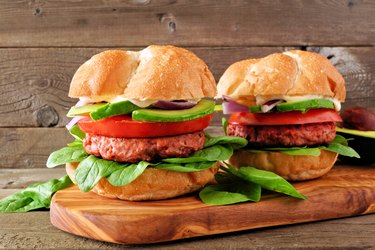
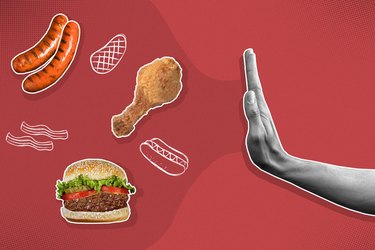
A study published in the July 2005 issue of the "American Journal of Gastroenterology," shows that IBS patients are more sensitive to wheat, beef, pork, lamb and soybeans. Raw fruits and vegetables are also known to be frequent triggers of gas and bloating. Stimulants, such as caffeine and tobacco, are to be avoided as they can irritate the bowels and worsen diarrhea. Eliminating dairy products, such as milk and milk products which contain casein, has helped many people. The use of non-nutritive sweeteners, including sorbitol and zylitol, are discouraged as they can often cause diarrhea in people prone to IBS. Carageenan, a common food additive that is used as a food thickener, has been linked to intestinal ulcerations in animal studies and is listed as another possible irritant. Finally, eating too much food at a single meal can set off IBS symptoms so small, frequent meals are advised.

Suggested Foods

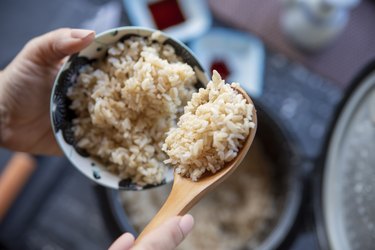
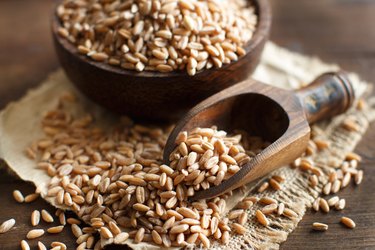
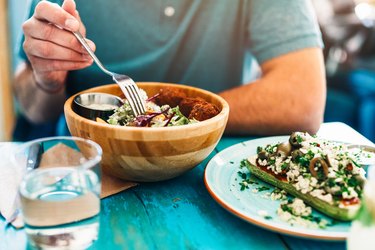
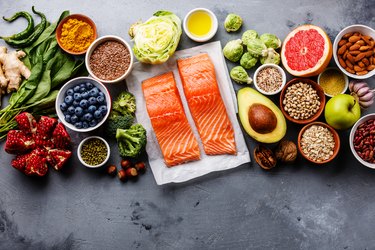
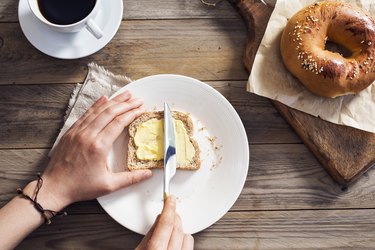
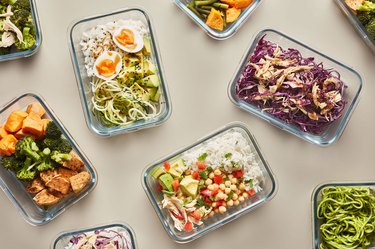
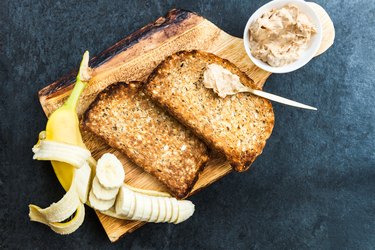
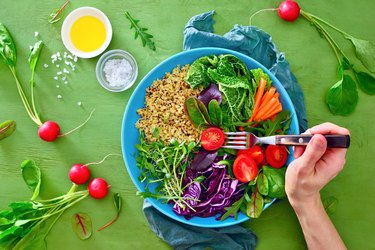
According to Dr. Weil's guidelines, IBS patients are encouraged to increase their fiber intake by eating many whole grains, cooked vegetables and fruits. Adding a tablespoon of freshly ground flax seed to cereals, soups and salads is suggested. However, even though a high fiber diet can ease constipation, it may also worsen diarrhea. Foods that may be better tolerated by people suffering from diarrhea include bananas, boiled potatoes, cooked carrots, chicken, plain rice and toast. The use of probiotics is another important addition that can help maintain the normal, "friendly" bacteria that keep the digestive system functioning normally.

Supplements

When taken occasionally, carob powder mixed with some other food such as applesauce, can be soothing to irritated intestines. A Chinese study, quoted by Dr. Weil, discovered that peppermint oil capsules taken before meals helped improve IBS symptoms by reducing muscle spasms, abdominal pain and discomfort. A pilot study published in 2004, found that a standardized extract of the spice, turmeric, reduced IBS symptoms by 50 percent or more. Dr. Weil suggests taking 300 to 400 mg of tumeric up to three times per day to help reduce inflammation and abnormal muscle contractions in the bowel. Slippery elm, obtained from the inner bark of the red elm tree, is another herb that has been found to help heal irritated digestive tract tissues. A drink can be prepared by combining slippery elm powder with some sugar and cinnamon in boiling water.

References

Article reviewed by AKanjuka Last updated on: Oct 14, 2010

Must see: Photo Galleries