











































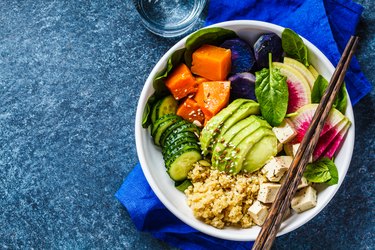

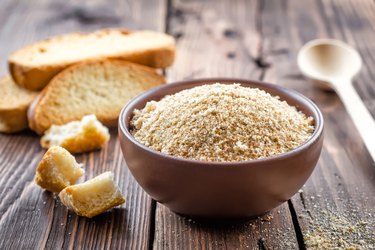






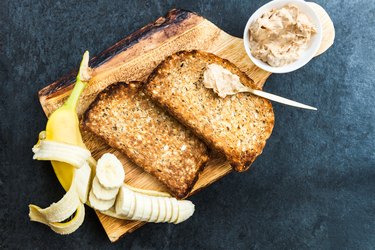

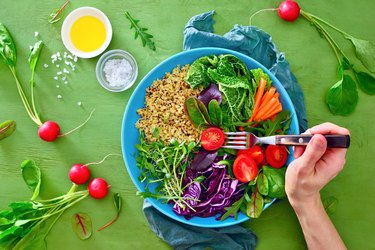

Though there is no cure for irritable bowel syndrome, or IBS, the American Dietetic Association, or ADA, says that simple changes in your diet and eating habits can keep your symptoms under control. The ADA recommends eating low-fat, high-fiber foods and small, frequent meals to regulate bowel function. Keeping a food diary can help you identify troublesome foods and habits, and you may want to consult with a registered dietitian to make sure that you're getting all the nutrients you need.
Whole Grains
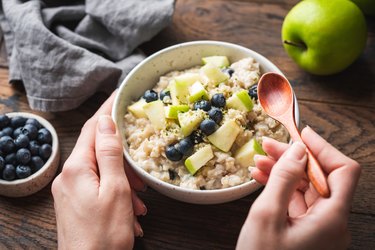
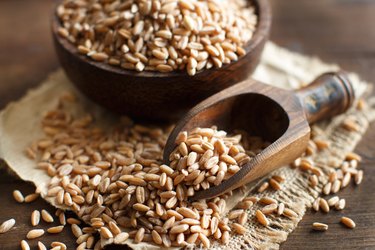
Whole grains such as whole wheat bread and pasta, brown rice and rolled oats are good sources of fiber, according to the American Dietetic Association, or ADA. Oatmeal with dried cherries and sliced almonds can start your day on the right foot. If you like milk with your oatmeal but dairy products worsen your symptoms, try soy, almond or hemp milk instead.
Fruits and Vegetables
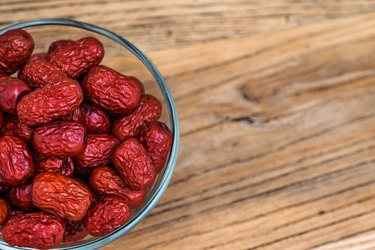
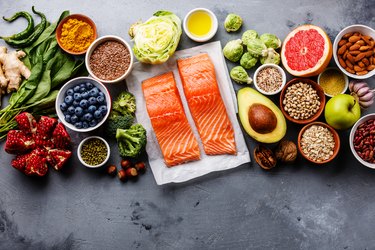
As suggested above, dried fruits are another good source of fiber. Fresh fruits are also recommended, but the Cleveland Clinic suggests that cooked or canned fruits may be more easily digested. Cooked vegetables, too, may be more easily digested than fresh vegetables. You may need to avoid cruciferous vegetables such as broccoli, brussels sprouts, cabbage and cauliflower, as they can produce gas. Yams are particularly recommended, and can be easily baked without added fat.
Beans
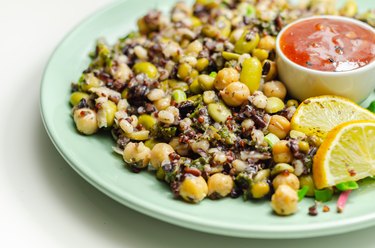
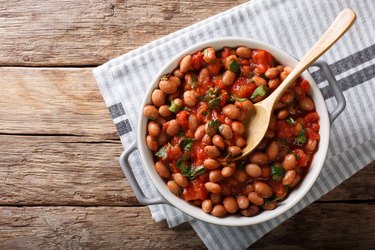
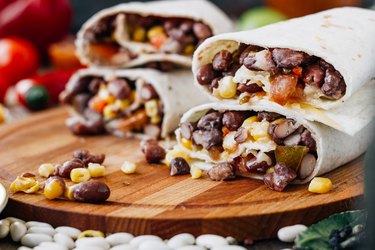
The Cleveland Clinic lists black beans, garbanzo beans, kidney beans, navy beans, soybeans, lentils and split peas as high in fiber. Beans can be paired with brown rice for a one dish dinner.
Nuts and Seeds
Almonds and other nuts also get a mention from the Cleveland Clinic, as well as flaxseed. Ground flaxseed can be blended into smoothies, stirred into peanut butter or sprinkled on cereal.
Water
Both the ADA and the Cleveland Clinic say that it's important to drink enough fluids, particularly with increased fiber intake. Caffeinated and carbonated beverages, however, can aggravate symptoms and should be avoided.


Member Comments